
Transporting and storing industrial chemicals demand precision, knowledge, and caution. Knowing the intricacies involved in handling these substances is the difference between a successful operation and a potential hazard.
In this guide, we’ll explore common chemicals, their storage requirements, and practical tips for handling them safely. We’ll also discuss the importance of adhering to legal and environmental regulations, as well as the role of technology in improving chemical storage and transportation. These practical tips for moving and storing industrial chemicals will ensure a safe and efficient workplace for everyone.
Understanding the Role of Industrial Chemicals
Industrial chemicals are the backbone of manufacturing and production processes. They range from high-performance cleaning agents—such as surfactant cleaners used in many different industries—to complex compounds used in pharmaceuticals and heavy industries. Each chemical comes with its own set of requirements for handling and storage, which makes it crucial for anyone dealing with these materials to be well-versed in their characteristics. This knowledge ensures the safety of those handling them and maintains the integrity and efficacy of the chemicals themselves.
A major challenge in managing industrial chemicals lies in their diversity. Some require cool, dark environments, while others might need specific humidity levels to remain stable. Familiarizing yourself with these requirements is the first step toward safe storage and transportation. By doing so, you protect your workforce from potential hazards and ensure compliance with industry standards and regulations.
Industries That Rely on Industrial Chemicals
Industrial chemicals are essential for numerous industries. The manufacturing sector, for example, uses a wide range of chemicals in processes such as metalworking, painting, and cleaning. Pharmaceuticals rely heavily on chemicals to create medications that require strict adherence to safety and storage protocols to ensure product integrity. Agriculture also depends on pesticides and fertilizers to enhance crop yield and protect crops against pests.
Additionally, the oil and gas industry uses chemicals for processes such as refining and extraction. These chemicals play a critical role in ensuring the efficiency and effectiveness of fuel production. The energy industry uses chemicals for drilling, refining, and energy production processes. This industry faces unique challenges due to the large volumes of chemicals involved and the potential environmental impact. By understanding the diverse needs of these industries, businesses can tailor their chemical handling practices to meet specific requirements and ensure safety and efficiency.

Tips for Safe Handling and Storage of Industrial Chemicals
Proper handling and storage of industrial chemicals are paramount to minimizing risks and ensuring workplace safety. By implementing the following practices, businesses can create a safe environment for workers, minimize health risks, and ensure compliance with safety regulations. Not to mention, your business will safeguard its valuable assets from damage to enhance the overall integrity and sustainability of the operation.
Labeling
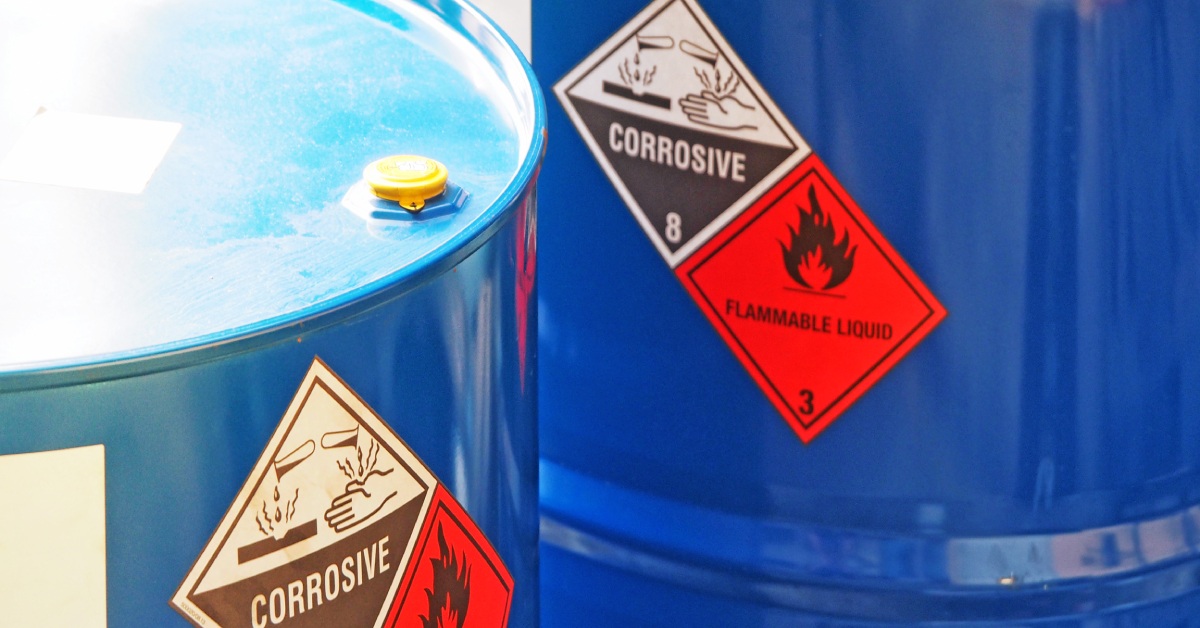
Proper labeling provides essential information about the chemical and its hazards. Clear labels help workers quickly identify chemicals and understand how to handle them safely.
Temperature Control
Extreme temperatures can alter a chemical’s properties and potentially lead to accidents or decreased effectiveness. Therefore, placing chemicals in temperature-controlled environments is vital.
Ventilation
Ventilation is another critical factor in safe chemical storage. Adequate ventilation systems prevent the buildup of harmful fumes, ensuring that dangerous substances do not reach hazardous levels. Reducing the risk of inhalation for workers and lowering the chance of explosions caused by the accumulation of flammable gases protects every element of industrial environments.
Inspections and Maintenance
In addition, regular maintenance and inspection of storage facilities and equipment play an essential role in safety. By routinely checking ventilation systems, storage containers, and related equipment, it’s easier to identify and address potential issues before they become serious hazards.
Navigating Legal and Environmental Regulations
Compliance with legal and environmental regulations is essential when storing and transporting industrial chemicals. Various laws govern the handling of chemicals, including the Occupational Safety and Health Administration (OSHA) regulations in the United States. These regulations outline safety standards and practices to protect workers and the environment from chemical hazards.
Failure to comply with regulations can result in severe penalties, including fines and legal action. To avoid these consequences, businesses must stay updated on relevant regulations and ensure their practices align with current standards. This involves training employees in proper handling techniques, maintaining accurate records, and conducting regular audits to identify areas for improvement. Adhering to these guidelines ensures legal compliance and demonstrates a commitment to safety and environmental responsibility.
Successful Employee Training Strategies
Training employees to handle industrial chemicals safely is an investment that pays dividends in safety and efficiency. A well-trained workforce is less likely to make mistakes that could lead to accidents or damage. Providing comprehensive training programs that cover the properties of different chemicals, handling techniques, and emergency response procedures is essential.
Regular refresher courses and hands-on simulations can reinforce employee knowledge and keep safety protocols top of mind. Encouraging open communication about safety concerns ensures that you address potential issues promptly, fostering a culture of safety and accountability within the organization. A proactive approach will safeguard personnel and enhance operational reliability.
The Role of Technology and Innovation in Chemical Storage and Transportation
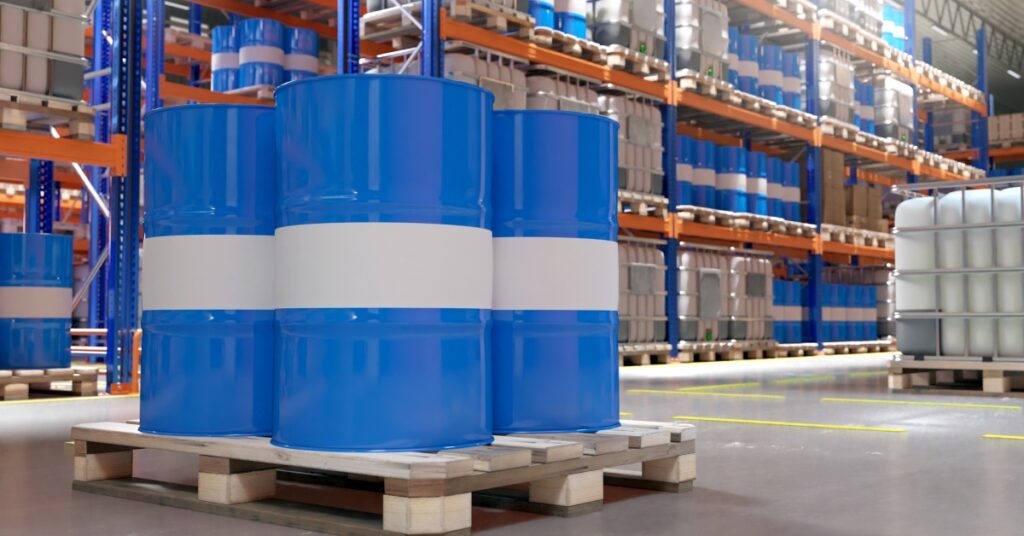
Technological advancements revolutionized the storage and transportation of industrial chemicals to establish safe, streamlined processes. Innovative solutions—such as automated storage systems and digital monitoring tools—enable businesses to track chemical inventory in real-time and ensure optimal storage conditions. These technologies reduce the risk of human error, provide valuable insights into storage practices, and help companies identify areas for improvement.
In addition to storage innovations, transportation technology—such as GPS tracking and route optimization tools—increases the efficiency of chemical transportation by reducing fuel consumption and minimizing the environmental impact. Businesses can streamline operations and improve safety by implementing these advanced technologies.
Ensuring Effective Management of Industrial Chemicals
Effective management of industrial chemicals is vital for the safe, efficient operation of any business that relies on these substances. By knowing the storage requirements of each chemical, adhering to legal and environmental regulations, and leveraging technology, businesses can minimize risks and ensure compliance with safety standards.
These tips for moving and storing industrial chemicals serve as a foundation for developing robust chemical handling practices and fostering a culture of safety. Businesses can thrive in an increasingly competitive and regulated landscape.