
Hydrogen sulfide (H2S) is a hazardous and corrosive contaminant frequently encountered in the oil and gas industry. Its presence in natural gas and crude oil streams poses significant challenges to operational efficiency, equipment longevity, and personnel safety.
Removing H2S effectively is not just a safety imperative but also a regulatory requirement. Among the available technologies, skid-mounted vessel systems offer an efficient, compact, and customizable solution for H2S removal. Look into the details behind using skid-mounted vessels for H2S removal, and leverage the benefits to improve your industrial operations.
What Are Skid-Mounted Systems?
Skid-Mounted Systems refers to fully assembled units supported on a structural frame, typically called a skid. These units are designed to be very compact for easy transportation and are mostly fully assembled to minimize on-site construction.
How Skid-Mounted Vessel Systems Work
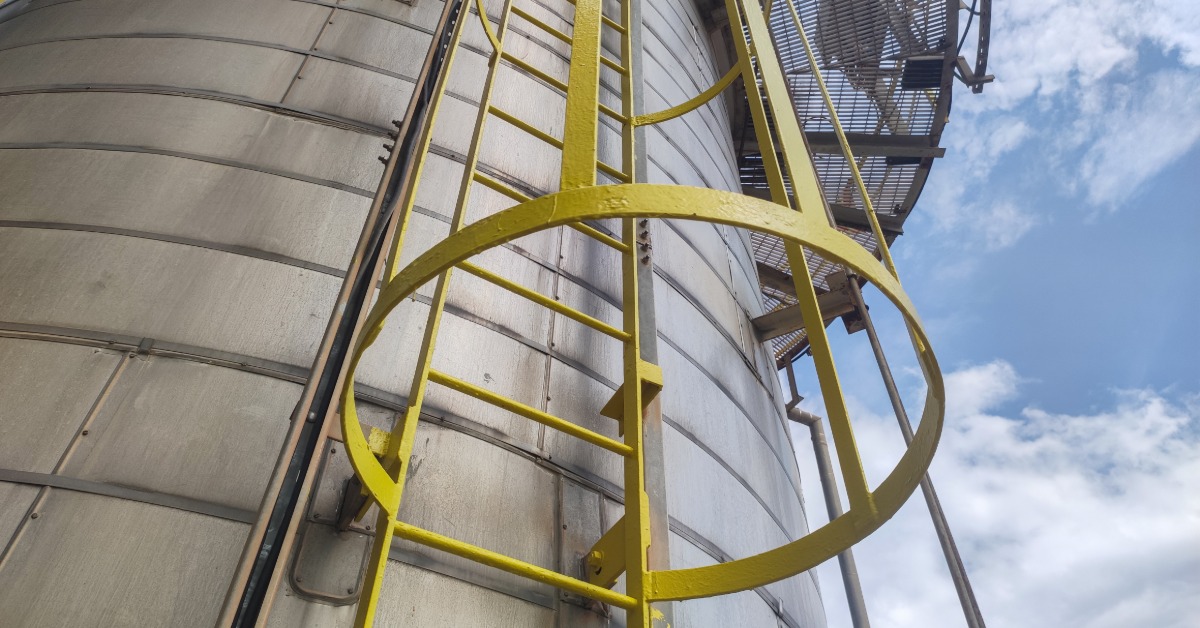
Vessels in this context are referred to as vertical pressure units assembled on skids, which are later secured to the ground. These units can be used for various O&G applications, including H2S removal.
In a lead/lag configuration, sour gas enters the lead vessel through the top inlet nozzle and flows downward through the SULFURTRAP® media bed. The media selectively reacts with H₂S before the treated gas exits and flows into the lag vessel, which serves as a backup if the lead vessel nears breakthrough.
Once the lead vessel media reaches the end of its service life, operators can redirect the flow so the lag vessel becomes the lead vessel. This arrangement supports continuous treatment while crews replace spent media in the offline vessel.
Applications in the Oil and Gas Industry
H2S Removal Skid-Mounted vessel systems find their applications across the entire spectrum of the oil and gas industry. Described below are some of the most common uses, from upstream production sites to downstream applications and renewable plants.
Upstream Operations
During production, H2S and other sulfur compounds often overload crude oil and natural gas. Skid-mounted vessel systems are vital for treating these sour gas streams at the source, allowing operators to easily meet safety and product-specification requirements before transportation or further processing.
Midstream Pipelines and Facilities
Transporting sour gas poses risks of corrosion to pipelines and associated infrastructure. Installing H2S Removal Skid-Mounted Vessel Systems at strategic points within midstream operations can mitigate these risks, helping extend your assets’ lifespan and minimize maintenance costs.
Downstream Applications

For refineries and petrochemical plants, effective hydrogen sulfide removal ensures compliance with environmental regulations and protects valuable equipment. H2S Removal Skid-Mounted Vessel Systems can serve as an efficient pretreatment step, preventing corrosion and reducing the complexity of downstream desulfurization processes.
Key Advantages of Skid-Mounted Lead/Lag Vessel Systems for H2S Removal
To implement skid-mounted vessels into your operations, you need a system created by experts in sulfur removal strategies. Skid-mounted lead/lag vessel systems provide operators with a practical way to manage H₂S removal using solid adsorbent products. Merichem Technologies supports these systems with SULFURTRAP® adsorbent, which treats sour gas streams under a range of operating conditions.
Within the many benefits of using a skid-mounted unit, the added flexibility of a vessel lead/lag configuration also offers significant advantages to end users. For starters, this system’s design addresses the complexities of H2S removal. These modular units provide robust solutions with features tailored for a variety of operational scenarios. This stands out for its optimized performance and adherence to industry standards. It achieves high sulfur loading, exceptional adsorption efficiency, and ease of operation.
Continuous Operation Through Lead-Lag Configuration
One advantage of a skid-mounted vessel system is its lead/lag configuration. In this setup, two vessels are mounted on a skid and connected through piping that allows sour gas to flow through both vessels during normal operation.
The gas stream enters the lead vessel first, where the adsorbent media removes H₂S and light mercaptans. Next, the stream flows into the lag vessel, which acts as a backup. Since the lead vessel removes H₂S first, the media in the lag vessel is not used during normal operation.
When the media in the lead vessel reaches saturation, operators redirect the gas stream through the lag vessel during changeout. Crews replace the spent media in the original lead vessel while treatment continues through the active vessel. Once fresh media is installed, operators can reverse the flow direction, making the original lag vessel the new lead vessel.
This configuration helps maintain continuous H₂S removal while reducing downtime during media replacement. It also supports high sulfur loading, stable pressure drop, and predictable performance through the adsorbent run. The simple manual operation requires no electricity, making the system practical for a wide range of field conditions.
Compact Design and Small Footprint
Space constraints are a common challenge in many oil and gas facilities. Skid-mounted vessel systems have a small vertical footprint, making them ideal for installations with limited real estate. This compact design ensures they easily integrate into existing facilities without extensive modifications or disruptions.
Customization for Varied Applications
Each H2S removal scenario presents unique challenges, and skid-mounted system designs are built with flexibility in mind. The SULFURTRAP® Skid-Mounted Adsorbent Vessel System is available in multiple standard sizes to accommodate a range of capacity requirements.
Additionally, these systems offer optional upstream and downstream components, such as liquid/gas separators and fines filters. These customizable features make them adaptable for a broad range of applications, from sour natural gas to liquid hydrocarbon streams.
Compliance With Industry Standards
Material integrity is critical in environments that handle sour gas. When using skid-mounted vessels for H2S removal, ensure the system meets NACE MR0175 requirements.
This ensures it can withstand the highly corrosive conditions of environments saturated with H2S. This compliance not only enhances system durability but also reassures operators, boosting their confidence in its reliability.
Efficient and Safe Media Replacement
For the SULFURTRAP® Skid-Mounted Adsorbent Vessel System, routine maintenance is essential to keep any adsorbent system running effectively. A vessel with ideal efficiency will simplify this process for operators by allowing media replacement in under one shift. The free-flowing nature of the spent adsorbent enables safe and easy change-outs, minimizing downtime and reducing the risk of workplace hazards.
The Path Forward for H2S Removal
The oil and gas industry continues to evolve. It does so with a stronger emphasis on safety, environmental compliance, and operational efficiency.
Skid-mounted vessel systems, well-positioned to address these shifting priorities, offer durable, scalable, and cost-effective solutions for hydrogen sulfide removal. Their modular design, efficient lead-lag functionality, and customizable options make them indispensable tools for operators seeking reliable treatment technologies.
When you integrate the SULFURTRAP® Skid-Mounted Adsorbent Vessel System into your operations, you can achieve significant gains in safety and performance. You can also ensure your H₂S management strategy meets the stringent demands of regulatory authorities, especially by leveraging proven H₂S treatment vessel systems designed for operational flexibility. Such a system exemplifies how advanced engineering and thoughtful design can transform complex treatment challenges into manageable processes.
Pre-Designed Skid-Mounted Systems for Flexible H₂S Removal
Pre-designed, skid-mounted vessel systems that are built, standardized, and readily available in inventory offer significant advantages for operators. Whether leased or purchased, these units provide a practical solution for both planned projects and unexpected treatment needs.
These systems are especially valuable in situations requiring speed and flexibility, allowing for rapid deployment without the long lead times associated with custom equipment. Key benefits include:
- Fast deployment for emergency or unplanned scenarios
- Lower upfront costs compared to fully custom-built systems
- Ability to repurpose equipment across multiple projects
- Access to high-quality, engineered equipment without full capital investment
- Preservation of capital through flexible leasing options
- Equipment upgrades as operational needs evolve (leasing advantage)
- Easy scalability to support future capacity requirements
- Reduced capital commitment for temporary or short-term applications
- Minimized risk of asset depreciation
By combining operational flexibility with cost efficiency, skid-mounted systems provide a strategic approach to advancing H₂S removal across a wide range of applications.