
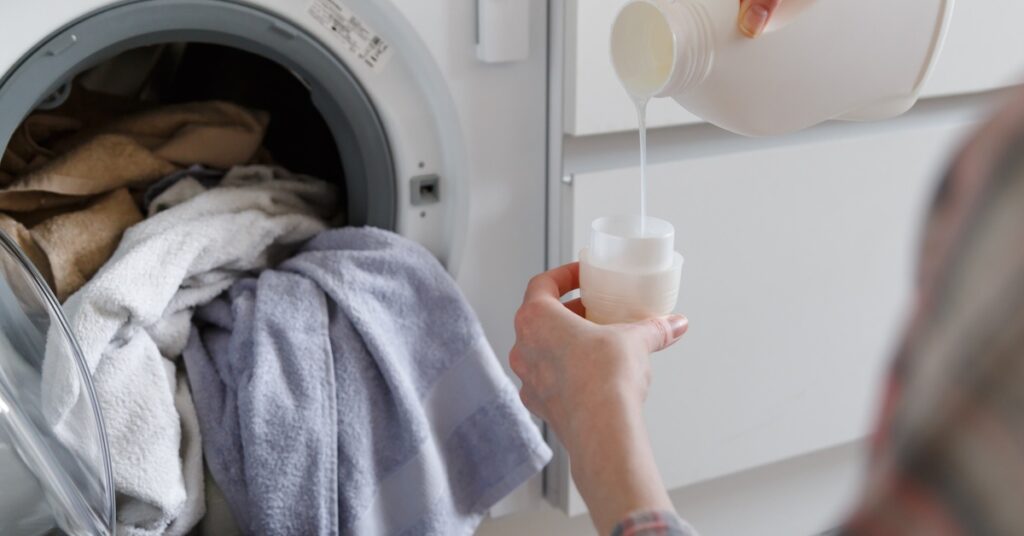
Surfactants, short for “surface-active agents,” exist in many products, from the soaps we use to wash our hands to the detergents that clean our clothes. Yet, their impact extends far beyond cleanliness. These chemical compounds end up in wastewater systems and can linger in the environment for an extended period. This has raised concerns about their ecological effects. Fortunately, biodegradable surfactants are more friendly. Understanding how biodegradable surfactants break down and what makes them different than other types will help you appreciate their role in environmental preservation.
Introduction to Surfactants and Their Uses
Surfactants reduce the surface tension between two substances, such as oil and water, allowing them to mix more effectively. Surfactants are indispensable ingredients in cleaning products, shampoos, and personal care items. Surfactants dissolve grease, lift stain particles from fabric, and retain the texture of emulsions.
However, some surfactants are harmful to the environment. Traditionally, many surfactants come from petroleum-based sources and break down slowly after disposal, which can lead to pollution. Manufacturers of biodegradable surfactants are paving the way for change by offering the same function with a reduced environmental impact.
What Are Biodegradable Surfactants?
Biodegradable surfactants break down into natural elements after disposal. Unlike conventional surfactants, which can linger in soil and water for years, biodegradable varieties can degrade more quickly into harmless compounds, such as carbon dioxide, water, or biomass. This process minimizes their potential to accumulate and harm ecosystems.
What sets biodegradable surfactants apart is their molecular structure. Many come from renewable plant-based sources, such as coconut oil or palm oil, which tend to have simple, eco-friendly compositions. Their molecular build prioritizes ease of degradation by microorganisms in natural environments. When these microorganisms encounter biodegradable surfactants, they metabolize them into simple, non-toxic compounds and neutralize their harmful effects.
The Science Behind Biodegradation
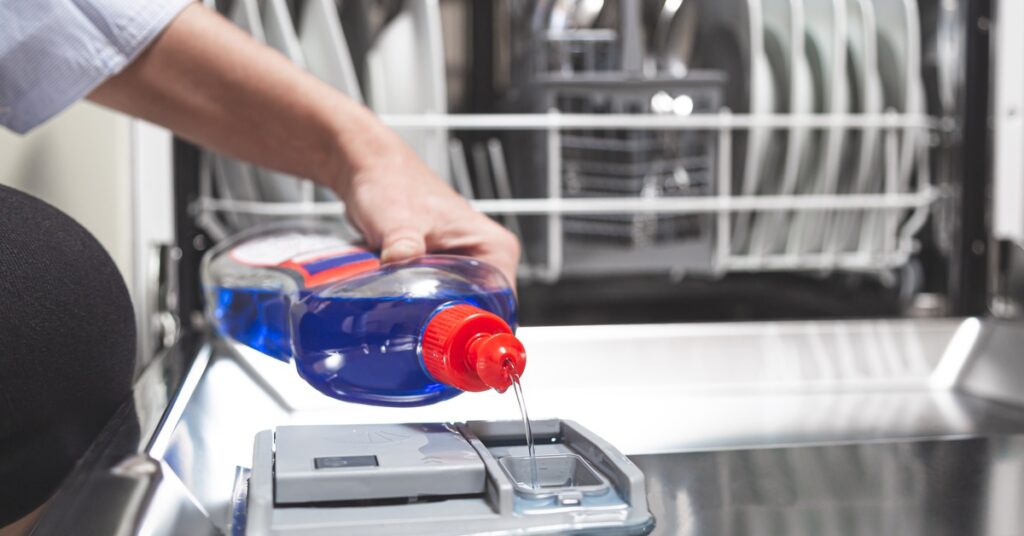
At this point, we can explore how biodegradable surfactants break down. Broadly speaking, biodegradation is the natural breakdown of organic substances by biological organisms, such as bacteria and fungi, in the presence of oxygen or in anaerobic conditions. This process converts complex molecules into simpler compounds that microorganisms assimilate, or they release harmlessly into the environment.
Biodegradable surfactants fit within this biological framework. When released into wastewater systems or open environments, natural microorganisms interact with the surfactant molecules. These organisms feed on the carbon chains in the surfactants, converting them into energy for survival. The byproducts of this metabolic process include carbon dioxide and water, rendering the surfactant harmless over time.
This breakdown typically happens in two stages. The first stage is primary biodegradation, where the functional characteristics of the surfactant are neutralized. It no longer acts as a surfactant in nature. Secondary biodegradation follows, where the remaining compound breaks down yet again into its base elements. The harmful environmental impact is next to none!
The Factors Affecting Biodegradation
The effectiveness and speed of surfactant biodegradation depend on a variety of factors, such as environmental conditions and the chemical makeup of the surfactant. For instance, temperature and pH levels influence the metabolic activity of microorganisms. Warm environments with neutral to slightly alkaline pH levels tend to accelerate the biodegradation process, while extreme acidity or low temperatures may slow it down.
Another factor affecting biodegradation is the availability of oxygen. Some microorganisms rely on aerobic conditions—environments rich in oxygen—to break down surfactants. Others can thrive in anaerobic conditions, such as those in landfills or marine sediments.
The molecular complexity of the surfactant also plays a role. Simple, plant-based surfactants are generally more biodegradable than their complex, petroleum-derived counterparts because their structure makes them easier for microorganisms to process.
Human activity can also influence biodegradation. Wastewater treatment systems, for example, provide optimal conditions for surfactant breakdown. Many treatment facilities use biofilms and activated sludge processes to enhance the interaction between microorganisms and biodegradable surfactants. This accelerates the degradation process before water enters natural systems.

The Benefits of Using Biodegradable Surfactants
Switching to biodegradable surfactants comes with a host of benefits, including environmental sustainability, human health, and business practices. The primary advantage is their reduced ecological footprint. By breaking down into harmless compounds, these surfactants prevent the accumulation of toxic chemicals in waterways, soil, and marine environments. This protects biodiversity by minimizing harm to aquatic life and other organisms that rely on clean, unpolluted ecosystems.
Biodegradable surfactants often come from renewable resources, making them more sustainable than petroleum-based options in the long run. By leaning on plant-based feedstocks, such as coconut oil, manufacturers can reduce dependence on petroleum. This is a win-win because petroleum is a finite resource with high extraction and refinement costs.
The adoption of biodegradable surfactants helps business leaders meet consumer demands for environmentally friendly products. Whether in detergents, personal care items, or cleaning agents, using biodegradable components helps business owners and managers meet their sustainability goals while appealing to eco-conscious consumers.
Environmental protection regulations around the world are tightening, forcing industry leaders to reconsider their use of non-biodegradable surfactants. Choosing biodegradable options ensures compliance and positions business owners as leaders in sustainable practices.
There is also the matter of threats to human health. Many conventional surfactants leave residues that can irritate the skin or harm people who are sensitive to the ingredients. Biodegradable options are free of many harsh chemicals and are usually gentler and safer for personal use.
Mindful Use and Proper Disposal of Traditional Surfactants
While plant-based or biodegradable surfactants are ideal for many applications, traditional, non-plant-based surfactants are still useful in demanding industrial processes. However, using these surfactants necessitates a responsible disposal approach to mitigate their environmental impact. Business leaders and individuals must optimize surfactant quantities to use only the required amount to achieve the desired outcome.
The safe disposal of traditional surfactants is equally important to reduce the potential for harm. This includes adhering to local regulations for chemical waste management and investing in wastewater treatment systems that can break down harmful residues. Additionally, professionals can explore advancements in technologies that minimize environmental damage, such as systems for capturing and recycling surfactants. Educating users about the impact of improper surfactant disposal and encouraging sustainable practices can balance industrial needs with ecological responsibility.
Paving the Way for Sustainable Surfactants
Biodegradable surfactants represent an important step forward in creating eco-friendly products. Their ability to function effectively while minimizing long-term environmental impact makes them appealing to consumers and industries alike.
The future of sustainable surfactants lies in innovation. Continuous research can improve the efficiency and cost-effectiveness of biodegradable surfactants, expanding their applications to the agricultural, pharmaceutical, and renewable energy sectors.
Adopting biodegradable surfactants, whether as a manufacturer or consumer, is a small step with big benefits. By making conscious choices, we can contribute to a future where surfactants enhance our lives without compromising the health of our planet. The question isn’t whether we should prioritize biodegradable surfactants; it’s how quickly we can make the transition.