LO-CAT®
H2S Removal from Gas Streams
Sulfur Recovery Technology
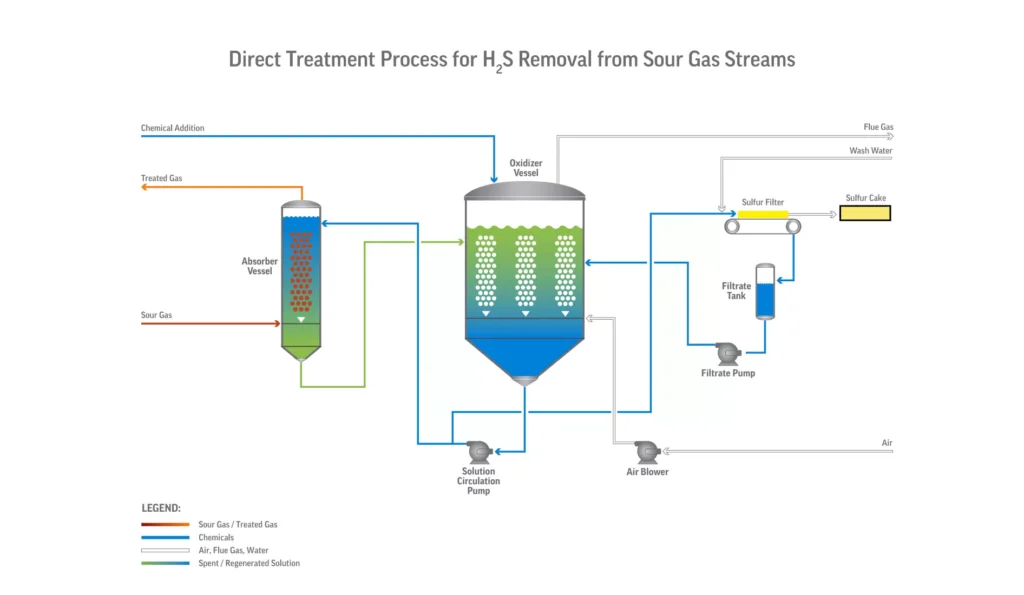
With Merichem Technologies exclusive sulfur recovery technology, this patented liquid redox system uses a chelated iron solution to convert H2S into innocuous, elemental sulfur.
Advantages
- Can remove H2S from virtually any gas stream
- Available process guarantees less than 1 ppm H2S
- Chemical-based sulfur removal — more reliable and flexible than biological treatment
- No liquid waste streams
- No hazardous waste products produced
- High turndown (up to 100%)
- Highly customizable to specific treatment needs
- Aqueous-based process at low temperatures
- Uses proprietary catalyst solution and chemicals
- Low operating cost
- 99.9 % or more reduction of H2S
- Continuously regenerated catalyst for low operating costs
- Lower OPEX vs. scavengers; lower CAPEX vs. Claus plants
- Reliable and cost-efficient removal of H2S; easily accommodates sulfur loads up to 20 tons/day
- Process can directly treat gas streams or serve as the sulfur recovery unit (SRU) downstream of an acid-gas removal (amine) unit
Applications
- H2S Removal from Gas Streams
How It Works
LO-CAT’s aqueous-based ambient temperature process features a chelated-iron catalyst that is applicable to any gas stream. With removal efficiencies of over 99.9 percent and up to 100 percent turndown, hydrogen sulfide (H2S) is converted to elemental sulfur.


Innovations for Performance
Merichem Technologies has provided innovative technology and equipment to the oil and gas industry for over 50 years. Our proven solutions have continuously helped our customers achieve greater performance and profitability.
Comprehensive and Committed
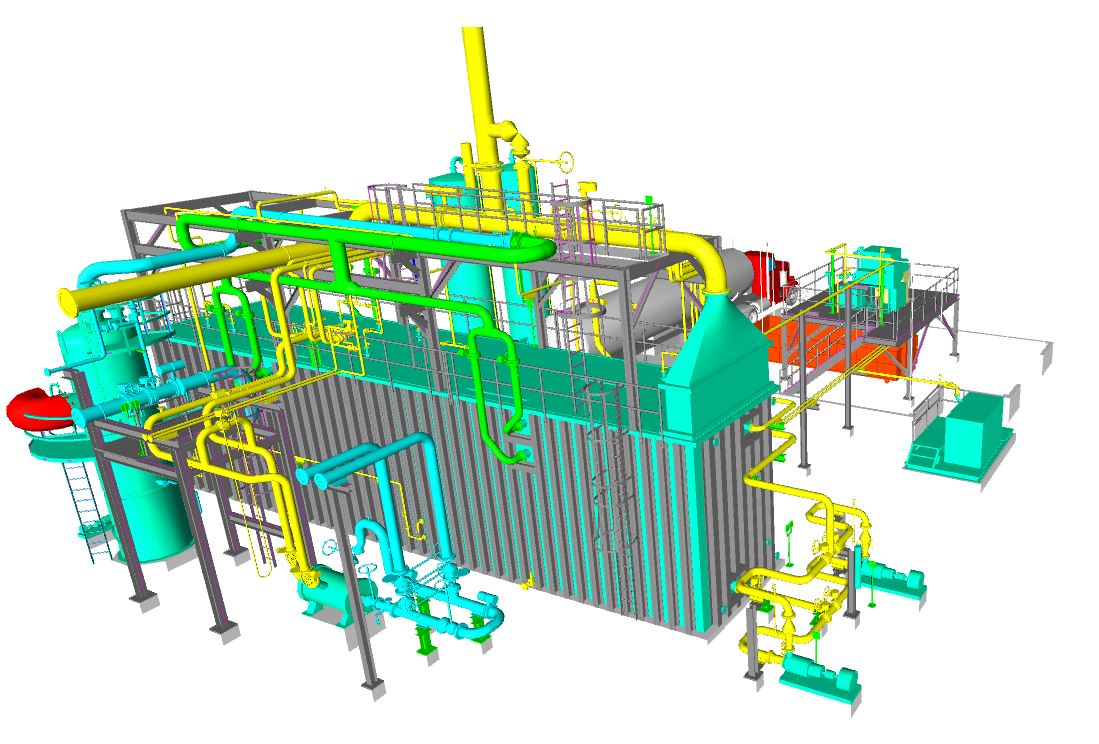
Complementing our depth of expertise in gas processing is a breadth of capability that includes engineering, design, fabrication, analytics, testing and service support. Merichem Technologies is here to help our customers meet their specifications, performance and warranty requirements.
Proven Flexibility, Global Reach
With extensive capabilities and a flexible array of supply-chain options, Merichem Technologies has helped customers all over the world address some of their most challenging treatment problems.
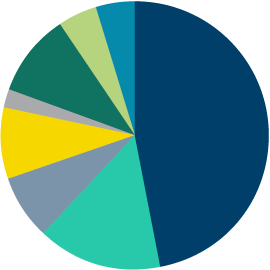
We have licensed more than 230 LO‑CAT® units worldwide
Gas Type
Frequently Asked Questions
Why is LO-CAT the best option for treating gas streams?
LO-CAT has a proven track record removing H2S from gas streams for over 45 years. It is most economical from 1 to 20 LTPD of Sulfur removed.
Why does hydrogen sulfide (H2S) need to be removed from gas streams?
H2S needs to be removed from gases for safety, odor and environmental reasons. Typically, H2S should be removed to <4 ppm or less in gas streams. Removing H2S also reduces corrosion to carbon steel surfaces, allowing the final product to meet required downstream specifications for additional processing or for pipeline transfer.
Can LO-CAT remove H2S from any gas stream?
Yes, LO-CAT units can remove H2S from virtually any gas stream.
What gas compositions and flow rates can LO-CAT handle?
LO-CAT is most economical for 1 to 20 LTPD of Sulfur removed.
Does LO-CAT create a liquid waste stream?
No, there are no liquid waste streams produced from a LO-CAT unit and no hazardous waste products are produced.
What is the turndown capacity of LO-CAT?
LO-CAT has a very high turndown, up to 100%.
What kind of chemicals does LO-CAT use?
LO-CAT uses Chelants, Iron (Catalyst), Surfactant and pH adjustment (typically with KOH). All but the KOH are proprietary chemicals/catalysts sold by Merichem Technologies.
What is the typical removal efficiency with LO-CAT?
Available processes guarantee <1 ppm H2S. Using the LO-CAT proprietary solution, a reduction of 99.9% or more can be achieved.
Can the LO-CAT unit handle fluctuating H2S concentrations?
Yes, LO-CAT units can be designed for fluctuating H2S levels.
What facilities are suitable for LO-CAT installation?
There are no specific facility requirements as long as the facility has access to the needed electricity to run the equipment. Any gas stream with 1-20 LTPD of Sulfur is a candidate for LO-CAT.
How long has the technology been in commercial use?
LO-CAT has a proven track record for over 45 years. LO-CATs are built to reliably remove H2S and are fabricated to last, some have lasted 30+ years.
What support is available during commissioning and operation?
Our Technical Service Team will be on site for your commissioning and startup. Technical Services engineers are always available by phone or email for ongoing operations.
What is the operating window for LO-CAT?
LO-CAT is most economical for 1 to 20 LTPD of Sulfur.
Does LO-CAT use regenerative or non regenerative chemistry? If regenerative, what kind of chemicals are used?
LO-CAT uses Iron as a Catalyst. The Iron is Reduced and then Oxidized back to the Fe+++ state.
What are the operating costs for LO-CAT?
Chemical and Electricity costs are typically in the $0.35 to $0.55 range depending on location, local utility costs, etc.
Can LO-CAT remove H2S from high CO2 laden streams and do you have installations?
LO-CATs can be used on most gas applications including high CO2. We have over 250 LO-CAT Licensees Worldwide.
What is the end use of the produced sulfur with LO-CAT process?
LO-CAT sulfur can typically either go to fertilizer companies or to a Landfill.
What is the uptime reliability with the LO-CAT process?
LO-CATs typically run 100% of the time. Turnarounds can be annual or as needed. Units are typically down approximately 7 days for turnarounds.
Do you offer any remote monitoring as part of LO-CAT process?
Most clients prefer to monitor their systems locally. If a client wants remote monitoring, Merichem can develop a quotation.
What does a regular turnaround for a LO-CAT unit involve?
Merichem mainly recommends to thoroughly clean the unit and replace the gas/air spargers. In addition, Merichem recommends verifying/calibrating the instrumentation.