
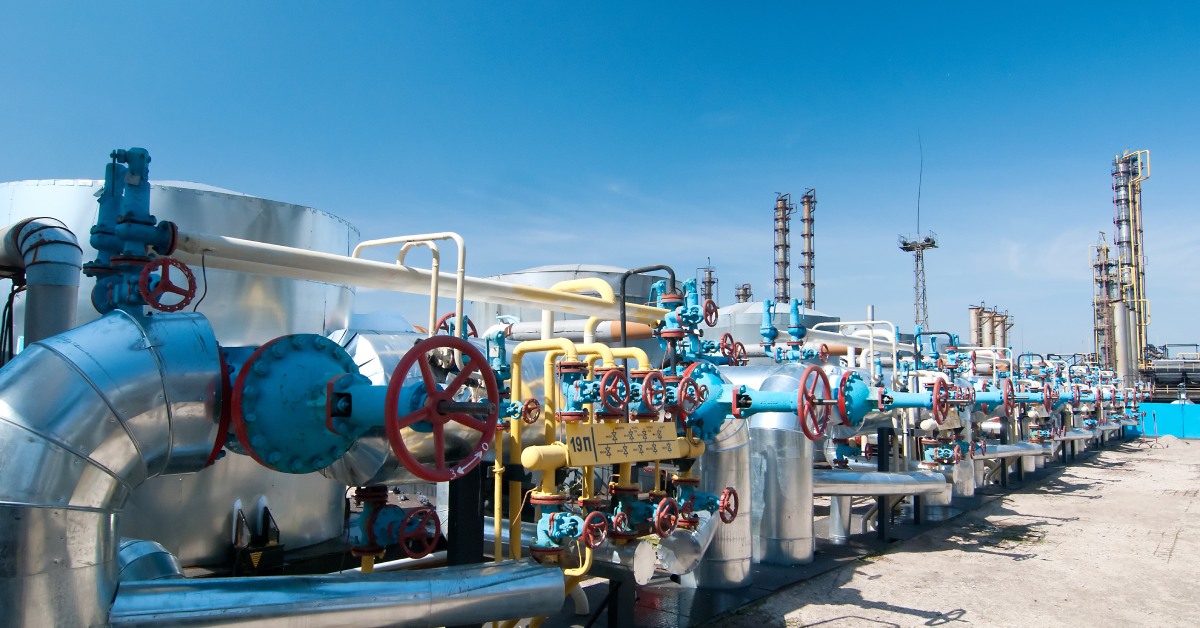
The oil and gas industry is a powerhouse of global energy production, driving economies and powering modern life. However, this vast and complex industry faces numerous challenges, not least of which is ensuring the purity of its products. Purification is a technical necessity and a critical component that affects everything from environmental sustainability to economic efficiency. Continue reading for an in-depth examination of the importance of purification for the oil and gas industry.
Understanding the Oil and Gas Industry
The oil and gas industry encompasses the exploration, extraction, refinement, transport, and marketing of petroleum products. It’s a multifaceted field that requires intricate coordination and advanced technology, and with the world’s growing energy demands, ensuring that the products are pure and efficient has never been more important. Purification processes remove contaminants and improve the quality of the final products, making them safer.
The Role of Purification in Oil and Gas
Purification in the oil and gas industry serves various important functions. Firstly, it ensures that the end products meet regulatory standards and are safe for use. Secondly, purification processes help in removing harmful substances that can damage equipment and pipelines. Lastly, purification enhances the overall efficiency of the production process, reducing waste and improving profitability. By investing in purification technologies, companies can maintain high-quality standards and ensure the longevity of their infrastructure.
Purification Technologies Explained
There are several purification technologies employed in the oil and gas industry. One of the most common methods is distillation, which separates components based on their boiling points. Filtration is another crucial technology used to remove solid particles from liquids and gases. Chemical treatments, such as H₂S scavengers, are also employed to neutralize contaminants and improve product quality. Each of these methods offers unique benefits and is suited to different stages of the oil and gas production process. The choice of technology depends on various factors, including the type of feed and the specific requirements of the end product.
The Importance of Distillation in Purification
Distillation is one of the oldest and most widely used purification methods in the oil and gas industry. It involves heating crude oil to separate its components based on their boiling points. This process allows for the extraction of various valuable products like gasoline, diesel, and jet fuel. Distillation columns maximize efficiency and ensure that each fraction is as pure as possible. Innovations in distillation technology, such as the introduction of advanced control systems, have further improved the precision and efficiency of this method.
Filtration Techniques and Their Benefits
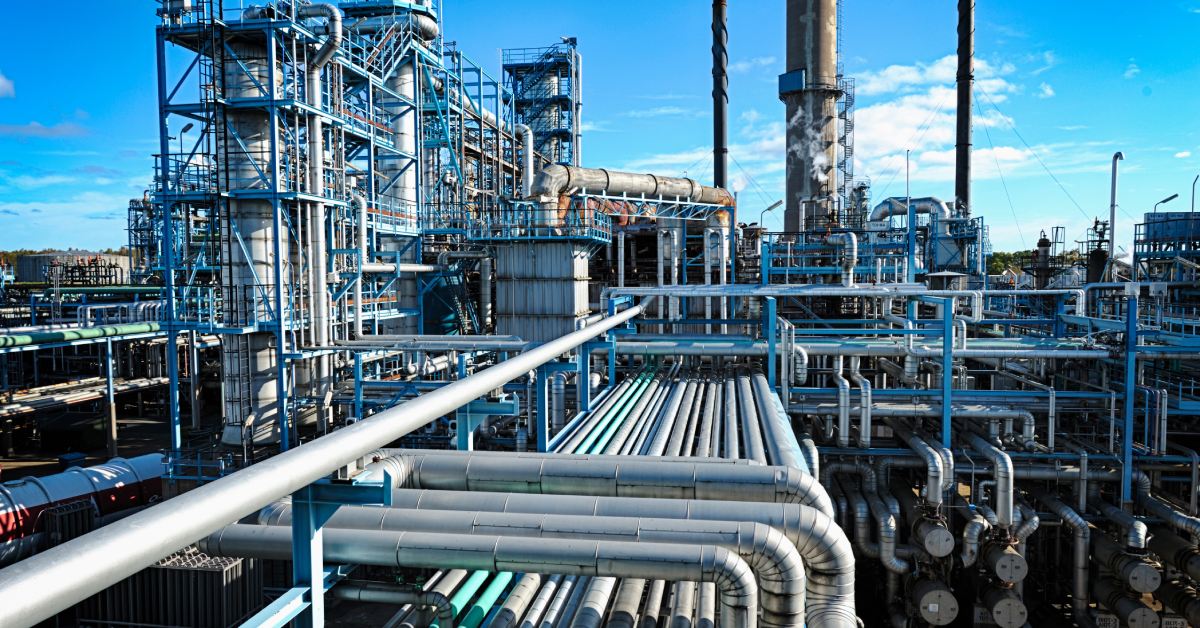
As mentioned, filtration is another essential purification technology in the oil and gas industry; it involves passing liquids and gases through filters to remove solid particles. Filtration is particularly important during the refining process, where contaminants can affect the quality of the final product. Advanced filtration systems are capable of removing even the smallest particles, ensuring that the end product is free from impurities. The benefits of filtration include improved product quality, reduced wear and tear on equipment, and enhanced efficiency of the production process.
Chemical Treatments for Enhanced Purity
Chemical treatments play a crucial role in the purification process, particularly when dealing with complex contaminants. These treatments involve contacting a hydrocarbon feed with a chemicals to remove unwanted and harmful substances. Common chemical treatments include using H₂S scavengers to completely remove hydrogen sulfide from gas and liquid streams. Chemical treatments are often used in conjunction with other purification methods to achieve the highest possible level of purity.
Environmental Impact of Purification
Purification processes have a significant impact on the environment. By removing contaminants from crude oil and its derivatives, purification reduces the release of harmful substances into the environment. This is particularly important in preventing air and water pollution, which can have devastating effects on ecosystems and human health. Advanced purification technologies also contribute to reducing greenhouse gas emissions by improving the efficiency of the production process. Ultimately, investing in purification is beneficial for the oil and gas industry and essential for protecting the planet.
Economic Benefits of Purification
Purification processes offer substantial economic benefits for the oil and gas industry. By improving the quality of the end products, purification enhances the market value and profitability of petroleum products. Purification also reduces the need for costly maintenance and repairs by preventing damage to equipment and pipelines caused by contaminants. Additionally, efficient purification processes minimize waste and optimize resource utilization, leading to cost savings and increased operational efficiency. Companies that invest in advanced purification technologies can compete in the global market and achieve long-term success.
Future Trends in Purification Technology
The future of purification in the oil and gas industry is promising, with ongoing advancements in technology driving innovation and efficiency. Emerging technologies, such as nanotechnology and biotechnology, hold great potential for enhancing purification processes. Nanotechnology involves the use of nanoparticles to remove contaminants at a molecular level, offering unprecedented precision and effectiveness. Biotechnology, on the other hand, leverages biological processes and organisms to break down and remove pollutants. These cutting-edge technologies have the power to revolutionize the oil and gas industry and pave the way for more sustainable and efficient purification methods.
The Role of Automation in Purification
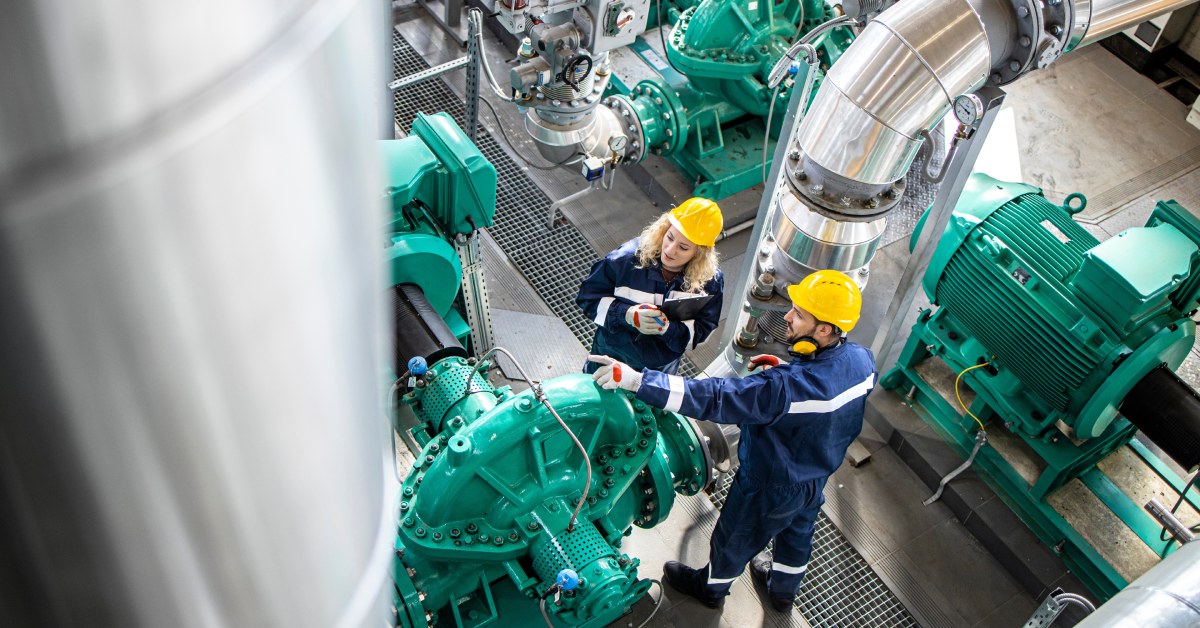
Automation is playing an increasingly important role in purification processes, enabling companies to achieve higher levels of precision and efficiency. Automated systems can monitor and control purification processes in real time, ensuring optimal performance while reducing the risk of human error. Advanced sensors and control systems allow for continuous monitoring of key parameters, such as temperature, pressure, and chemical composition, enabling immediate adjustments to maintain desired purity levels. Automation also facilitates data collection and analysis, providing valuable insights for process optimization and continuous improvement.
The Human Element in Purification
While advanced technologies and automation are essential for effective purification, the human element remains crucial. Skilled professionals with expertise in purification processes and technologies play a vital role in ensuring optimal performance and troubleshooting any issues that may arise. Continuous training and development are essential to keep up with evolving technologies and industry best practices. By investing in their workforce, companies can harness the full potential of purification technologies and achieve sustainable success.
Prioritizing Purification for Long-Term Success
With far-reaching implications for product quality, environmental sustainability, and economic efficiency, the importance of purification for the oil and gas industry is undeniable. By employing advanced purification technologies and processes, companies can ensure that their products meet regulatory standards, protect the environment, and maximize profitability. The future of purification looks promising, with emerging technologies and automation driving innovation and efficiency. For the oil and gas industry, prioritizing purification is a strategic imperative for long-term success.