

Hydrogen sulfide (H2S) is a hazardous gas commonly found in industrial processes such as natural gas production, petroleum refining, and wastewater treatment. Known for its corrosive nature and toxicity, H2S poses serious risks to equipment, personnel, and the environment.
Effective filtration techniques are essential for capturing H2S and ensuring safety and regulatory compliance across industries. By identifying innovative filtration techniques for H2S capture, worksites in all sectors can leverage advanced technologies and materials to address this challenge.
Chemical Oxidation
One of the most widely adopted methods for capturing H2S is chemical oxidation. This process involves converting H2S into harmless or less harmful compounds through a chemical reaction. This typically entails implementing oxidizing agents such as hydrogen peroxide, sodium hypochlorite, or potassium permanganate to break down H2S into elemental sulfur or sulfate.
Chemical oxidation is popular for its high efficiency in certain applications. For instance, it’s commonly employed in wastewater treatment facilities where H2S levels are significant. One benefit of this method is its compatibility with existing infrastructure, making it easier to implement than some other advanced techniques.
Nevertheless, this approach isn’t without challenges. It requires precise monitoring to avoid overoxidation and the unnecessary use of chemicals, which can increase operational costs. Additionally, the method produces byproducts such as elemental sulfur that require appropriate management.
Biological Filtration
Biological filtration offers a sustainable and efficient way to remove H2S. This technique harnesses naturally occurring or engineered microorganisms capable of utilizing H2S as a substrate for their metabolic activities. Here, professionals typically introduce the gas into a biotrickling filter, where colonies of bacteria oxidize H2S into sulfur or sulfate compounds.
Biological filtration receives praise for its minimal energy requirements and smaller environmental footprint compared to traditional chemical methods. Applications include small-scale biogas plants and odor treatment systems in wastewater facilities.
Despite its advantages, this method can require careful maintenance, particularly in ensuring optimal conditions for microbial growth, such as temperature, pH, and nutrient availability. Still, its ability to address H2S sustainably makes it an attractive option for industries seeking greener solutions.
Activated Carbon Adsorption

Activated carbon is another innovative filtration technique for H2S capture. Activated carbon is a highly effective material for capturing hydrogen sulfide because of its porous structure and large surface area. It works through a process called adsorption, where H2S molecules bind to the surface of the activated carbon.
Advanced types of activated carbon lend themselves to infusion with substances such as potassium hydroxide or iodine to enhance the chemical reaction with H2S. This converts it into nontoxic byproducts such as sulfur or water-soluble compounds.
This technique is widespread in applications including wastewater treatment plants, biogas purification, and industrial gas processing. H2S removal is necessary in these contexts for preventing corrosion, meeting emission standards, and ensuring air quality. Its efficiency, cost-effectiveness, and post-saturation regenerative abilities make activated carbon a preferred choice for H2S filtration.
The Effectiveness of Solid Adsorbents
Solid adsorbents, such as activated carbon and metal oxides, aim to trap and hold various substances, typically from liquid or air streams. Their porous structures enable them to effectively capture everything from harmful gases to excess moisture. For this reason, the gas sweetening adsorbent, SULFURTRAP®, manufactured by Chemical Products Industries, shines in applications where CO2 and oxygen are present.
The pore structure of this iron-based solid adsorbent enables sulfur species bonding throughout the particle. It reduces H2S and mercaptans in hydrocarbon streams and performs efficiently in partially to fully water-saturated gas, gas streams with and without oxygen, and other applications.
Solid adsorbent properties are invaluable in water treatment and purification and environmental pollution control. They demonstrate effectiveness in supporting efforts to control emissions in industrial processes, including in carbon capture and storage technologies designed to decrease greenhouse gas emissions.
Similarities With Other Innovative Carbon Technologies
Activated carbon’s role in capturing hydrogen sulfide shares similarities with broader carbon capture technologies, particularly in its reliance on surface adsorption and chemical reactions. Activated carbon adsorption and carbon capture are two approaches aiming to trap harmful gases and reduce their release into the atmosphere, mitigating environmental harm.
While activated carbon efficiently captures H2S through its porous structure and enhanced reactivity, carbon capture techniques often focus on trapping carbon dioxide (CO2). This approach typically uses substances like amine solutions or advanced filters.
The environmental benefits are significant in activated carbon adsorption and carbon capture, ranging from improved air quality to decreased greenhouse gas emissions and corrosion prevention in industrial systems. Additionally, an ability to integrate H2S filtration with carbon capture systems can create synergistic opportunities, such as developing multifunctional materials capable of addressing a wider array of pollutants. This connection underscores how innovations in each area can contribute meaningfully to cleaner industries and a healthier planet.
Amine Treating
Another effective filtration technique involves the use of amine treating solutions, also known as gas sweetening or acid gas removal. This process uses amines such as monoethanolamine (MEA) or diethanolamine (DEA) to capture H2S and other acidic gases like CO2 from gaseous streams.
The gas passes through an absorber column where it contacts the liquid amine solution, forming bonds with H2S and trapping it in the liquid phase. After removal, applied heat regenerates the amine solution, allowing users to strip out the captured H2S and reuse the solvent. This method is common in industries such as natural gas processing and refining, where scalability and adaptability to fluctuating gas compositions are essential.
Metal Oxide Adsorbents
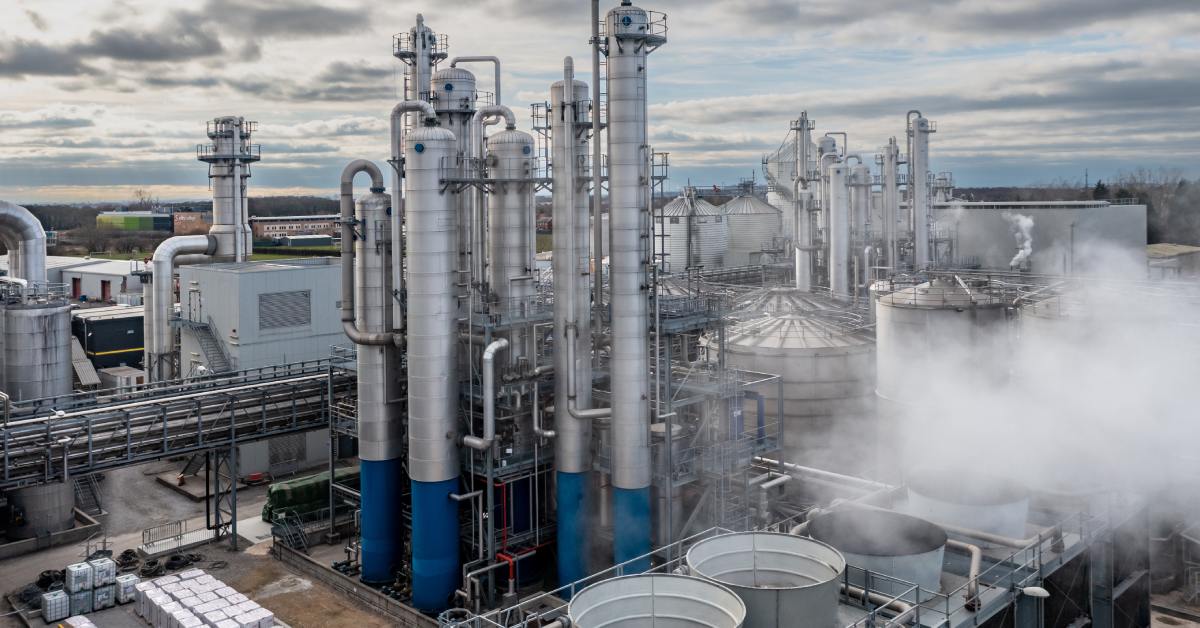
Metal oxide adsorbents demonstrate a unique, sufficient ability to capture and manage H₂S emissions in landfills. Often consisting of iron or zinc oxides, they interact with H₂S to produce stable metal sulfides.
These substances can adsorb significant volumes of H2S relative to their weight, making them efficient for high-throughput systems. Also, they maintain performance under various temperature ranges. For this reason, their applications span across industries, including oil and gas, where they see use as gas sweetening adsorbents and in biogas purification processes. Their stability and efficiency also make them suitable for closed-loop systems, minimizing the need for frequent replacement.
The best metal oxide adsorbent, such as SULFURTRAP®, is uniquely designed by experts to have a pore structure, shape, and surface area suited for gas-phase sulfur removal. Additionally, the ability to function in aerobic and anaerobic process conditions and fully saturated, partially saturated, and dry conditions makes it highly specific and versatile.
Ultimately, such an adsorbent can target H2S without disturbing other components of the gaseous mixture. It results in a stable, nontoxic byproduct that allows for safe disposal or even repurpose in certain industrial uses.
Membrane Technologies for Selective Filtration
Membrane-based systems are an increasingly popular choice for H2S filtration due to their compactness and efficacy. These systems utilize semipermeable membranes that allow the selective passage of H2S molecules while restricting the flow of other gases.
This technology thrives on its adaptability, as you can tailor membrane configurations to specific requirements such as separation efficiency and throughput. Commonly employed in biogas upgrading and industrial gas processing, these systems are invaluable for their minimal operational footprint and simplicity.
Yet, membrane technologies are not without their limitations. Handling high concentrations of H2S or other contaminants can reduce efficiency, necessitating pre or post treatment in some cases. Additionally, the long-term performance of membranes can degrade, requiring eventual replacement.
Hybrid Approaches to H2S Filtration
Combining technologies can often address the shortcomings of individual methods. For instance, integrating biological filtration with chemical oxidation can enhance effectiveness while reducing operational costs. Activated carbon systems are also sometimes employed as a polishing step following amine scrubbing, ensuring complete removal of residual H2S.
Polishing is another area where a well-developed metal oxide adsorbent shines. Metal oxides selectively react with H₂S, making this process effective at removing residual H2S after bulk processes. It forms stable metal sulfides, leaving behind cleaner, purified gas.
Professionals can tailor hybrid systems to the process demands of industries, offering a balance between efficiency, cost, and environmental impact. These setups often involve significant initial investment but can deliver superior long-term benefits through enhanced performance and reduced maintenance requirements.
Enhancing Efficiency Through Process Optimization
Regardless of the chosen filtration technique, efficiency improvements often stem from process optimization. Regularly maintaining equipment, monitoring system parameters, and using advanced sensing technologies to detect and control H2S levels can significantly boost filtration performance. Innovations such as real-time data analytics and predictive maintenance are also becoming important, ensuring consistent operation and preventing unexpected downtime.
The challenge of capturing H2S continues to drive advancements in filtration technologies. Each method has its own set of advantages and challenges, requiring careful evaluation to determine the best fit for specific applications. With ongoing developments, though, the outlook for innovative H2S capture systems is brighter than ever, promising safer and more efficient industrial operations.