
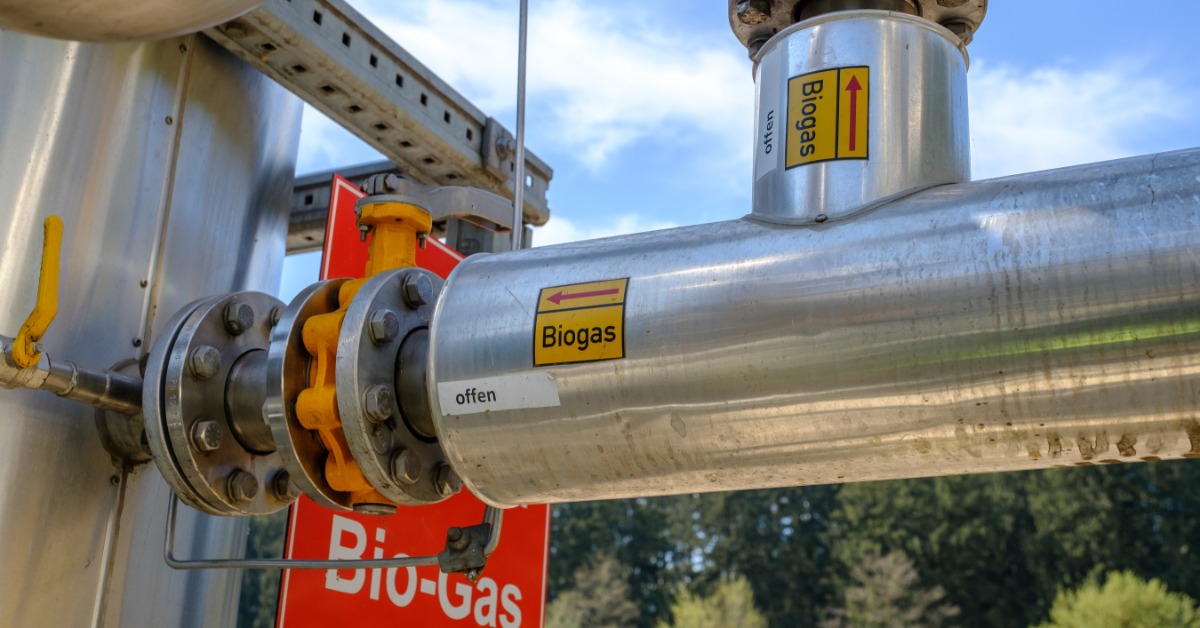
Raw biogas streams contain impurities that damage processing equipment and pipeline infrastructure, with hydrogen sulfide (H₂S) being the most problematic. This toxic, corrosive gas damages engines, corrodes metal, and poses severe health risks. To meet strict pipeline specifications and protect assets, operators must prioritize H₂S removal.
For distributors and suppliers in the oil and gas sector, maintaining asset integrity is key to profitability. Unchecked sulfur levels lead to frequent maintenance shutdowns and shorten equipment lifecycles. Solid media scavengers provide a robust defense, leveraging advanced chemical properties to capture contaminants efficiently. Selecting the appropriate scavenging method requires a deep understanding of gas composition and operating conditions, but iron-based technologies often offer distinct advantages over liquid or legacy alternatives.
Sulfide scavengers improve biogas purification by chemically trapping sulfur compounds, transforming a hazardous gas stream into a clean, combustible fuel. To understand how this transformation occurs, we must first explore the science behind the process.
The Chemistry Behind Adsorption
Effective purification depends on interactions between gas streams and scavenger media via physical and chemical adsorption. Physical adsorption, involving weak forces such as van der Waals, holds contaminants on media surfaces, including zeolites and activated carbon. However, this can release contaminants under certain conditions.
Chemisorption, or chemical adsorption, involves a permanent chemical bond, as seen with iron-based scavengers, where iron oxide reacts with hydrogen sulfide to form iron sulfide and water. This irreversible reaction permanently traps sulfur, making chemisorption ideal for facilities with strict emission limits.
Optimizing Reaction Kinetics
High-quality scavengers feature engineered pore structures that maximize the surface area available for reaction. This porosity allows the gas to penetrate deep into the pellet, fully utilizing the media’s capacity. Inferior products often suffer from “pore blinding,” in which the outer surface reacts and blocks access to the inner material. This inefficiency leaves valuable active ingredients unused and forces premature change-outs.
Advanced products like SULFURTRAP® EX utilize a proprietary iron oxide formulation that maintains high reactivity throughout the bed life. This material retains its structure and porosity even as it absorbs sulfur, ensuring consistent performance until complete depletion.
Operational Advantages of Solid Media
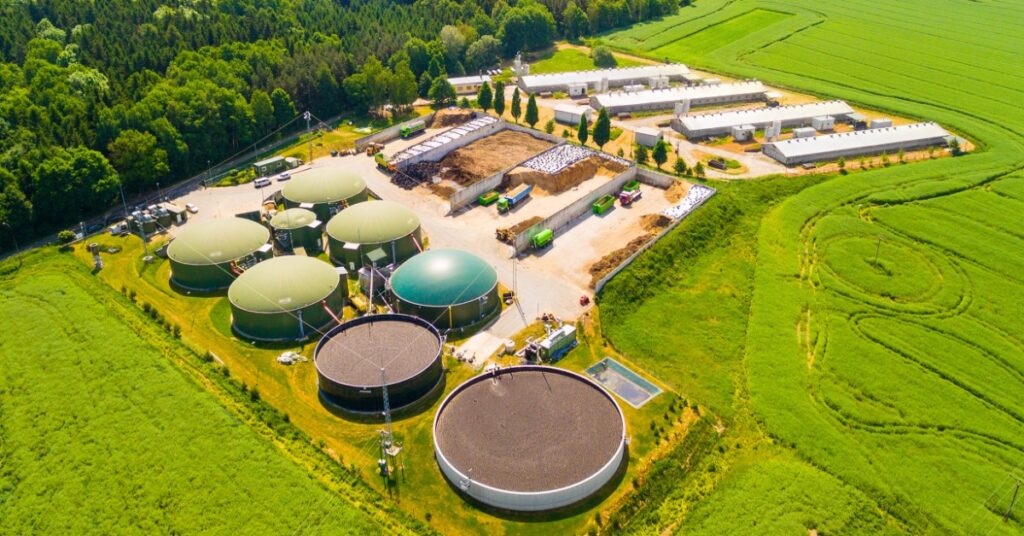
Biogas plants operate under challenging conditions, with the gas often exiting fully saturated with water vapor. Many purification solid products struggle with moisture variability. Iron-based scavengers, however, work well in moist environments, reacting efficiently with H₂S in wet conditions, making them suitable for raw biogas.
Liquid scavenging systems are complex and require pumps, tanks, and precise dosing. Triazine, a common liquid scavenger, can cause scaling and clogging. Solid fixed-bed vessels avoid these issues; gas flows through media, offering a passive, maintenance-free solution.
Handling High Flow Rates and Concentrations
Facilities handling high gas volumes or unexpected spikes in H₂S concentration require a system that responds instantly. Fixed-bed scavengers provide a buffer against process upsets. The deep bed of media absorbs concentration spikes without allowing “breakthrough” (where H₂S escapes into the outlet stream). This reliability protects sensitive downstream catalysts and engines, which have zero tolerance for sulfur.
Comparing this to older technologies highlights the field’s progress. The industry historically used “iron sponge,” comprised of wood chips coated with iron oxide. While functional, the iron sponge presents significant handling difficulties. The material clumps together, making removal difficult, and can become pyrophoric (self-igniting) upon exposure to air. Modern pelletized scavengers flow freely, allowing for vacuum loading and unloading. This innovation significantly reduces labor during change-outs and improves site safety.
Extending Bed Life and Reducing Costs
Profitability in gas processing correlates directly with uptime. Every hour spent offline for maintenance represents lost revenue. Products that extend the interval between media replacements deliver substantial value. SULFURTRAP® EX lasts up to two to three times longer than standard solid scavengers. This extended lifespan results from high sulfur-loading capacity. The media contains more sulfur per pound of adsorbent, maximizing the utility of each vessel fill.
Reducing the frequency of change-outs also lowers labor and disposal expenses. Operators spend less on replacement media over the year and incur fewer waste removal transportation fees. When calculating the total cost of ownership, high-capacity adsorbents offer a clear economic advantage over lower-capacity, lower-cost alternatives. The lowest price per pound of fresh adsorbent often results in a higher cost per unit of treated gas due to frequent replacements.
Safety and Environmental Compliance
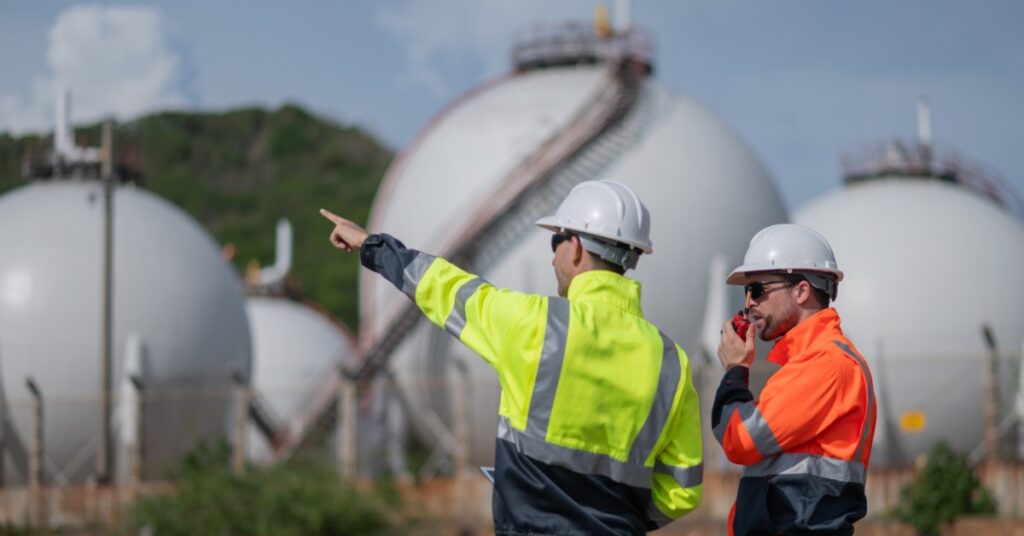
Hydrogen sulfide poses an immediate danger to human health. Even at low concentrations, it causes respiratory irritation and eye damage. At higher levels, it causes unconsciousness and death. Eliminating H₂S from the work environment constitutes a mandatory safety protocol. Utilizing a closed-loop fixed-bed system minimizes worker exposure. The contaminants remain contained within the vessel until the media requires replacement.
Environmental regulations strictly limit sulfur emissions. Flaring sour gas releases sulfur dioxide (SO₂), a major contributor to acid rain. removing H₂S prior to combustion prevents SO₂ formation. Solid scavengers allow facilities to achieve outlet concentrations below 1 ppm, exceeding the strictest regulatory requirements. The spent media typically qualifies as non-hazardous waste, simplifying the disposal process and reducing the facility’s environmental footprint.
Corrosion Prevention
Sulfur compounds attack metal components aggressively. When H₂S combines with water, it forms sulfuric acid. This acid pits and corrodes pipelines, valves, and engine internals. Biogas engines are particularly susceptible to sulfur damage. Acidification of the engine oil leads to bearing failure and cylinder wear. Removing H₂S before the gas reaches these expensive assets prevents corrosion, extends the life of the generation equipment, and reduces capital expenditure on replacement parts.
Selecting the Right Scavenger for Biogas
Not all iron-based products perform equally. Differences in manufacturing, material purity, and pellet structure impact efficiency. Distributors should evaluate products based on field performance, including factors like crush strength. Pellets must resist crumbling under pressure, as dust can increase pressure drop, restrict gas flow, and lower production rates.
SULFURTRAP® EX offers high crush strength, even when saturated, and removes light mercaptans for thorough purification. For dehydrated streams, products such as SULFURTRAP® ST1 are optimized for dry-gas service. Choosing the right product based on moisture and process conditions ensures better results.
Understanding how sulfide scavengers improve biogas purification helps suppliers recommend the best solution, turning challenging waste streams into valuable energy.
Securing Long-Term Asset Integrity
Biogas producers must maximize output while meeting strict quality standards, but hydrogen sulfide threatens both goals. A high-performance solid scavenger system neutralizes this threat, protecting equipment and personnel. By using advanced iron oxide chemistry, facilities can achieve consistent sulfur removal with minimal operational overhead.
Distributors play a primary part in guiding operators toward these advanced solutions. Recommending a superior H2S treatment like SULFURTRAP® EX demonstrates a commitment to the customer’s long-term success. Reliable purification technology underpins a safe, efficient, and profitable biogas operation.
Ready to optimize your H₂S removal process? Contact Merichem Technologies today for a technical consultation and quote.