
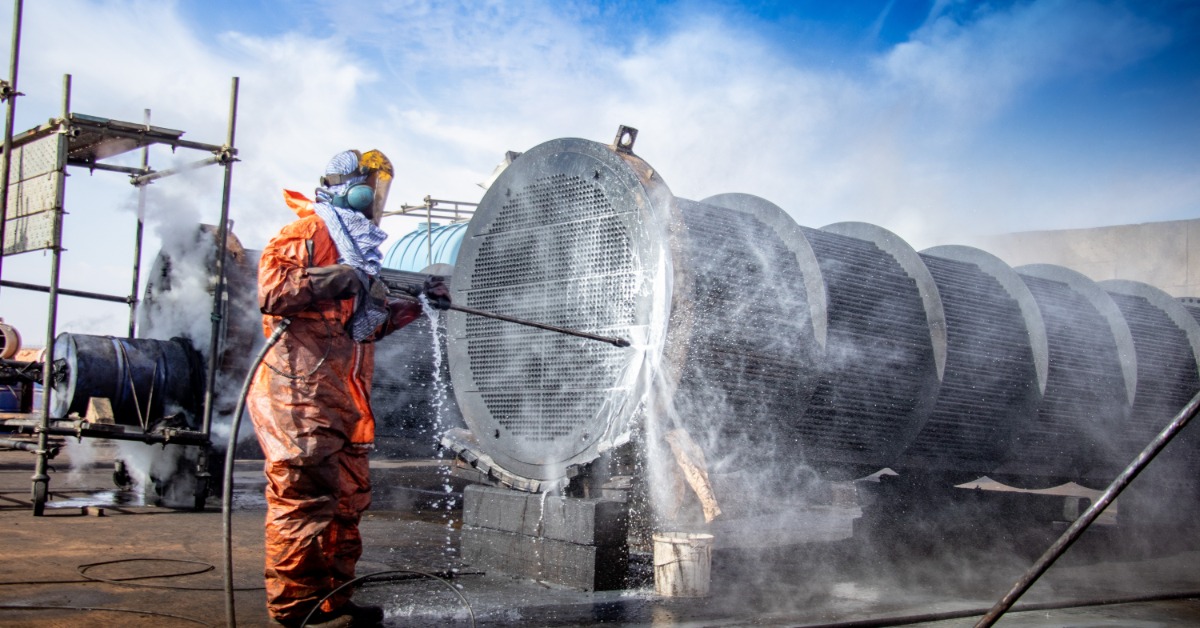
Industrial degreasers are fundamental to maintaining operational efficiency and safety across numerous sectors. Choosing the right product and application method makes a difference in equipment longevity and workplace safety. However, a degreaser’s performance depends on more than just its chemical formulation.
A complex interplay of application-specific and environmental elements determines how well a degreaser works. Examining the factors that affect the effectiveness of industrial degreasers enables facilities to refine their cleaning protocols, improve safety, and achieve consistent results.
Understanding these factors will allow you to make better purchasing and application decisions for your specific operational needs.
Application and Degreaser Factors
The primary factors influencing a degreaser’s power are its chemical makeup and its application method. These factors work together to break down and remove unwanted contaminants.
Chemical Type and Formulation
The core of a degreaser’s effectiveness lies in its chemical composition. Degreasers fall into two main categories: solvent-based and water-based, each with distinct mechanisms for cleaning.
- Solvent-Based Cleaners: These products use organic compounds to dissolve greases, oils, and other heavy contaminants. They operate on the principle of “like dissolves like,” in which the solvent molecules break apart and surround the oil molecules, lifting them from the surface. They typically act fast and evaporate without leaving residue, which is advantageous for cleaning sensitive electronics or in high-speed production environments.
- Water-Based Degreasers: These formulations use water as the primary solvent and incorporate surfactants. Surfactants reduce the surface tension of the cleaning fluid, allowing it to penetrate and lift grease particles. The grease is then emulsified, or suspended, in the water so it can be rinsed away.
The choice between these types depends on the contaminant’s nature. Heavy, baked-on oils may require a powerful solvent, while water-based options can handle lighter soils.
Concentration Levels
The concentration of the active ingredients in a degreaser directly correlates with its cleaning power. A higher concentration can more effectively break down stubborn contaminants.
However, using a concentration that is too high for a given task can be wasteful and might even damage the surface being cleaned. It is essential to follow manufacturer recommendations to find the correct balance for each application, avoiding unnecessary costs and potential material degradation.
Application Temperature
Temperature is another powerful variable. Applying heat during the degreasing process can accelerate cleaning. Higher temperatures reduce the viscosity of oils and greases, making them thinner and easier for the degreaser to penetrate and lift. Heat also speeds up the chemical reactions within the degreaser itself.
However, caution is necessary. Excessive heat can damage sensitive materials, such as plastics and coatings. It may also produce hazardous fumes, creating a safety risk for personnel. The optimal temperature balances cleaning efficiency with material safety.
Contact Time
Degreasers need adequate time to work. This “dwell time” allows the chemical agents to penetrate the layers of grime, break molecular bonds, and detach contaminants from the substrate. For thick or hardened grease, a longer contact time is often required for the degreaser to perform effectively. Rushing this step can result in incomplete cleaning, leaving behind a film of residue that can interfere with subsequent processes or equipment function.
Mechanical Action
Physical force greatly assists the chemical action of a degreaser. Mechanical agitation, such as scrubbing, wiping, or using high-pressure sprays, helps dislodge contaminants that the degreaser has loosened.
Methods of mechanical action include:
- Manual scrubbing with brushes or pads
- High-pressure water or air jets
- Ultrasonic cleaning baths that use sound waves to create microscopic bubbles that implode on the surface, scrubbing away contaminants
- Agitation in parts washers
This combination of chemical and physical force provides a more thorough and efficient cleaning process.
Material and Environmental Factors
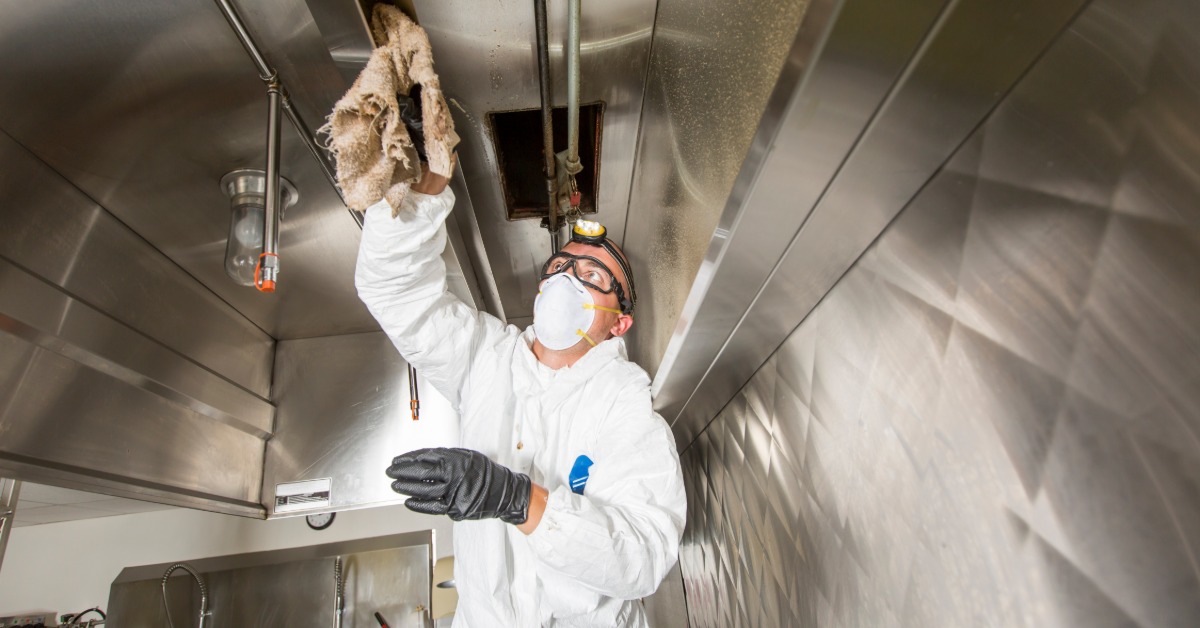
Beyond the application method, external conditions and the surface material significantly impact a degreaser’s performance. A degreaser must clean effectively without causing harm, so chemical compatibility with the surface material is crucial.
An aggressive solvent that works wonders on steel might corrode aluminum or dissolve the coatings on electronic components. Some chemicals can weaken or discolor plastics and rubber. Therefore, testing the degreaser on a small, inconspicuous area is a sensible precaution before full-scale application to prevent irreversible damage.
Residue Control
For many industries, what is left behind is just as important as what is removed. In electronics manufacturing or food processing, any chemical residue can compromise product quality or safety. An effective degreaser should be easily removable through rinsing or evaporation, leaving a clean, film-free surface. The choice of degreaser may hinge on its ability to be eliminated from the substrate after cleaning.
Safety and Regulatory Compliance
The operational setting is governed by rigorous safety and environmental standards. Numerous solvent-based degreasers include Volatile Organic Compounds (VOCs), which can lead to air pollution and present health hazards to personnel. Regulatory agencies frequently impose restrictions on the permissible levels of VOCs in use.
Other safety concerns include:
- Flammability: Many solvents are highly flammable and require careful storage and handling.
- Toxicity: Some chemicals can be toxic if inhaled or absorbed through the skin, mandating the use of personal protective equipment (PPE) and proper ventilation.
- Disposal: The disposal of used degreaser and the contaminants it contains must comply with local and federal waste regulations.
These considerations often guide the selection toward water-based or other less hazardous alternatives.
Industry-Specific Requirements
Different industries have unique cleaning standards. A food processing facility, for example, must use food-safe degreasers that are certified for use on surfaces that come into contact with food.
In contrast, an automotive shop or a heavy manufacturing plant may prioritize the sheer power to remove thick, industrial-grade grease and oils. Examining the factors that affect the effectiveness of industrial degreasers in the context of your industry’s standards will help you identify the most suitable product.
Select the Right Degreaser for Your Application
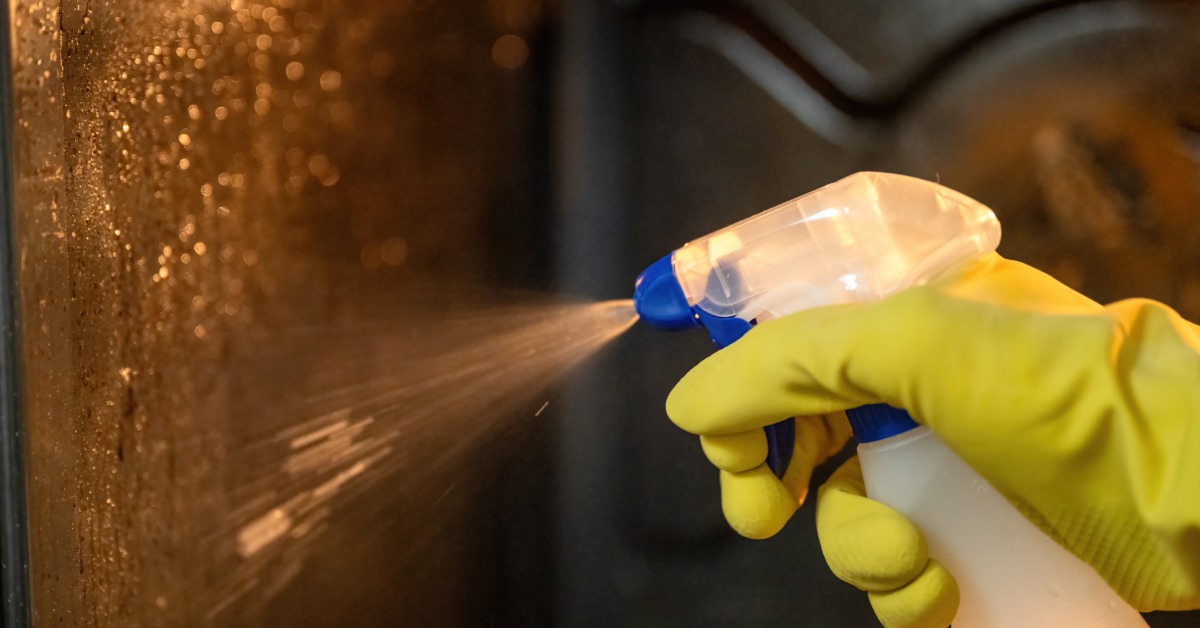
Selecting the appropriate industrial degreaser requires careful assessment of multiple interconnected variables. The chemical formulation, application method, and environmental context all contribute to the final cleaning outcome. By methodically evaluating these factors, from temperature and contact time to material compatibility and regulatory constraints, organizations can optimize their cleaning processes for both efficiency and safety.
For companies navigating the complexities of industrial cleaning and purification, having a reliable partner makes a difference. If you have questions about our surfactant cleaner products. Our technical staff is here to help you identify the right products for your project requirements. If you need more information, don’t hesitate to contact us today!