
When you clean your home, wash your hair, or use a skincare product, chances are you’re benefitting from the incredible properties of non-ionic surfactants without even realizing it. These unassuming molecules quietly play a key role in numerous everyday products and processes, helping us maintain cleanliness, enhance efficiency, and even protect the environment. But what exactly are non-ionic surfactants, and what makes them so versatile? Continue reading to explore the versatility of non-ionic surfactants and their indispensable presence in our lives.
An Introduction to Non-Ionic Surfactants
Surfactants, or surface-active agents, are compounds that reduce the surface tension between two liquids or a liquid and a solid. Non-ionic surfactants are a specific category of these agents, characterized by the absence of electrical charges in their chemical structure. Unlike their ionic counterparts, which carry positive or negative charges, non-ionic surfactants remain neutral. This neutrality is what gives them their unique properties and makes them highly adaptable tools in various industries.
Their fundamental role lies in their ability to act as emulsifiers, dispersants, and cleaning agents. Because they don’t carry an electrical charge, non-ionic surfactants are less reactive to the ions present in water. This property allows them to perform consistently in environments with hard water or high electrolyte concentrations, where other surfactants might fail. They are typically derived from fatty acids and alcohols, often combined with ethylene oxide or propylene oxide to create the desired properties.
Properties and Versatility
What makes non-ionic surfactants a versatile choice across various applications is their unique chemical properties. Their neutral nature allows them to blend well with other surfactants and chemicals, making them an indispensable ingredient in complex formulations. This compatibility improves the efficiency of those formulations, tailoring them for diverse uses ranging from cleaning solutions to skincare products.
One of their most notable properties is their ability to remain effective in different environmental conditions. For instance, non-ionic surfactants perform well in both hard water and soft water, making them the go-to option in regions where minerals in water can often render cleaning agents ineffective. Additionally, they have a relatively mild profile, which means they are less likely to cause skin or material irritation when used in personal care or household products.
The molecular structure of non-ionic surfactants also allows for flexibility in composition. This enables manufacturers to fine-tune the agents’ characteristics to suit specific applications, such as foaming, solubilization, or spreading. Beyond their adaptability, these surfactants are also known for their low toxicity levels, a feature that underlines their appeal in personal and household care industries.
Applications in Household and Personal Care Products
If you take a look at the ingredient list of your favorite detergent, cleanser, or shampoo, you’ll likely discover non-ionic surfactants as part of the formulation. Their neutral nature and compatibility make them an essential component in numerous household and personal care products where effective cleaning without harsh side effects is a priority.
Household Cleaners
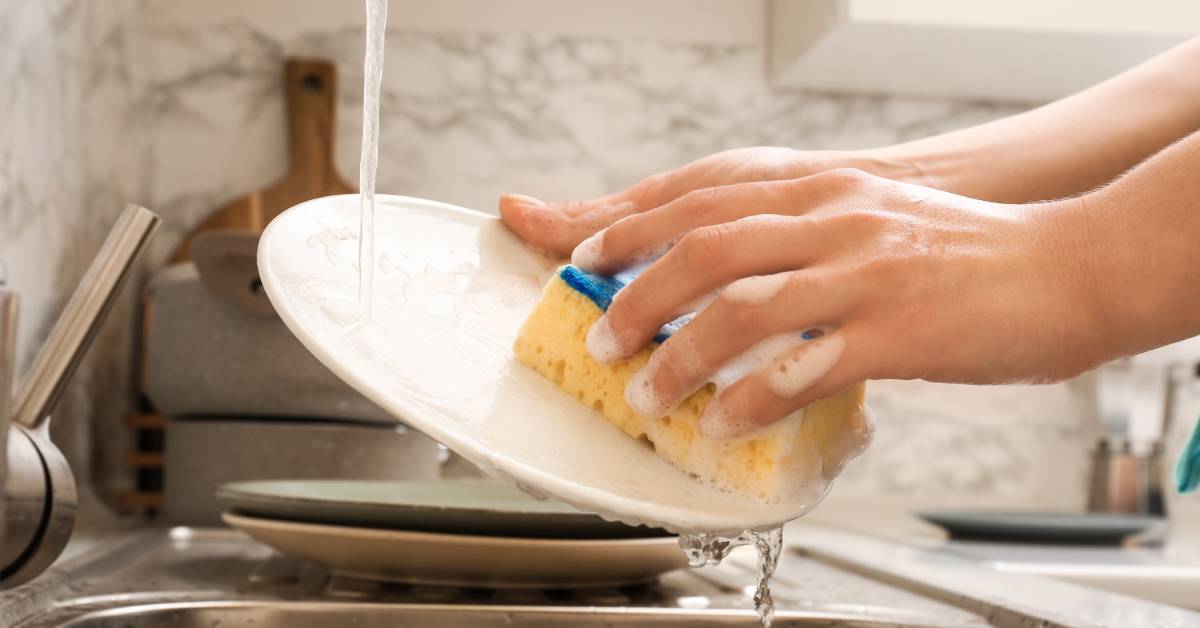
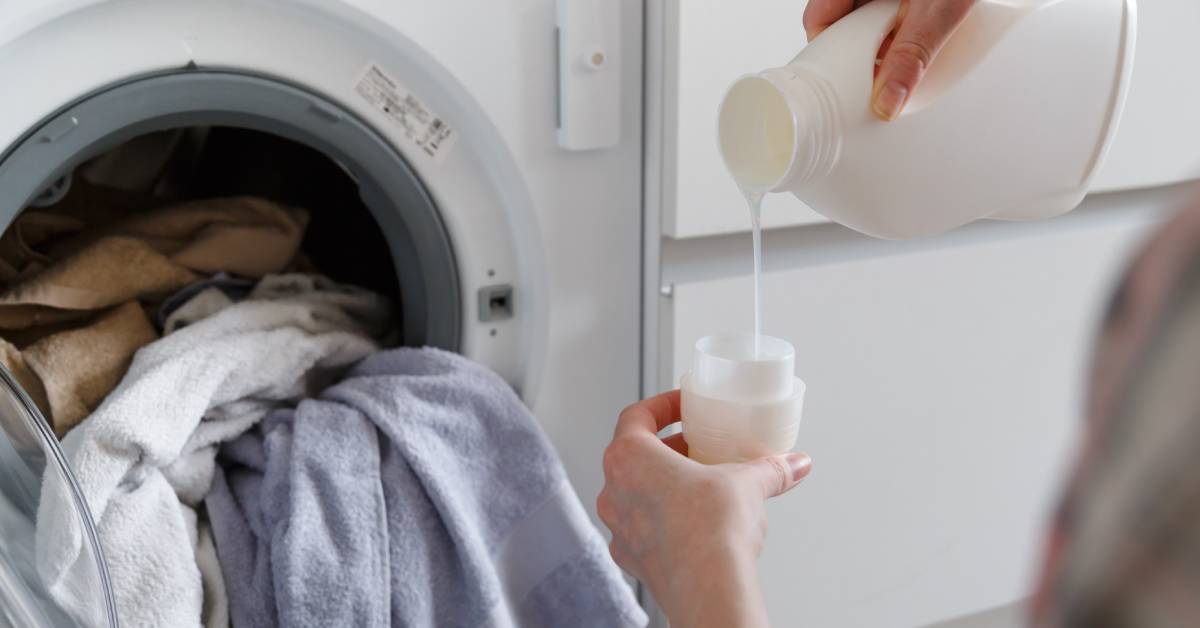
Dishwashing liquids and laundry detergents are among the most common household products that utilize non-ionic surfactants. Their ability to cut through grease and dirt, even in cold water, makes them invaluable cleaning agents for homes worldwide. Similarly, they appear in floor cleaners and glass cleaners, where their streak-free finish ensures spotless surfaces.
Personal Care Products
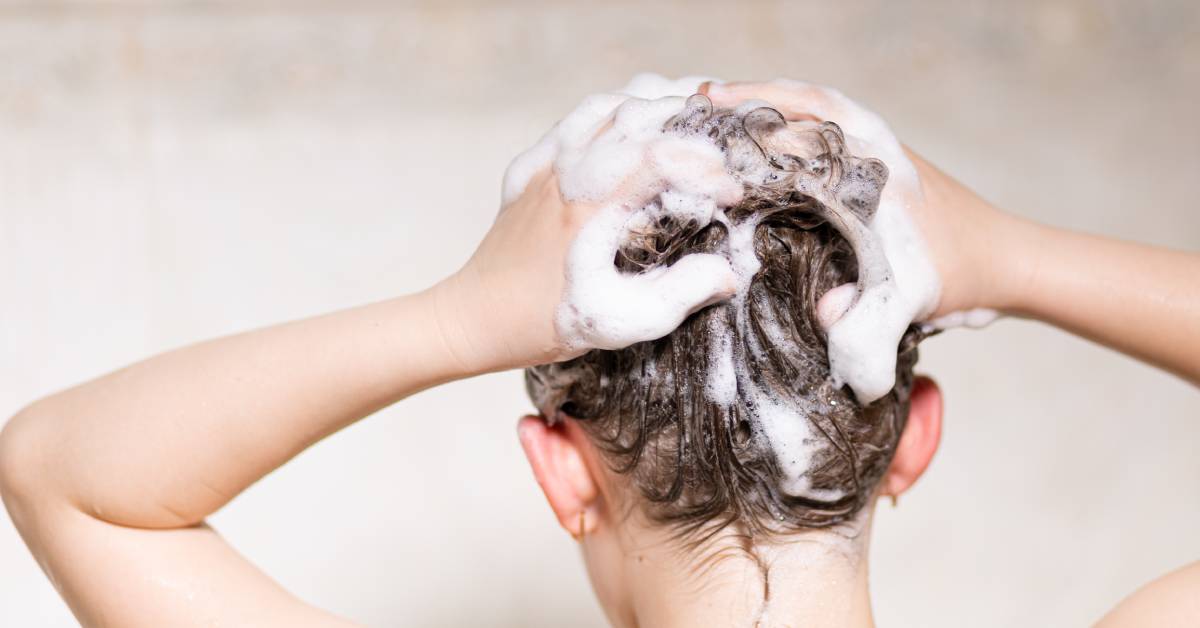
Within the realm of personal care, non-ionic surfactants are favorite ingredients in shampoos, body washes, and facial cleansers. Their mild, gentle nature minimizes skin irritation while still effectively removing dirt and oil. By forming stable emulsions, these surfactants also help keep cosmetic products like creams and lotions evenly mixed, ensuring a consistent and pleasant user experience.
Their role doesn’t end with cleaning, though. Non-ionic surfactants are also key players in enhancing foaming properties in some personal care products, offering the sensory satisfaction many of us associate with a good cleanse. Additionally, they are instrumental in increasing the shelf life of these products, preventing separation or degradation over time.
Industrial Uses and Environmental Impact
Beyond household and personal care products, non-ionic surfactants find applications in a variety of industrial settings. From agriculture to textiles, these compounds are hard at work behind the scenes, ensuring processes run smoothly and effectively. They are widely used in the development of emulsifiable concentrates for pesticides and herbicides, helping to evenly spread active ingredients over crops. The textile industry leverages them as wetting agents, detergents, and dispersants, aiding in the smooth processing of fibers and fabrics.
The oil and gas sector is another industry that benefits from the use of non-ionic surfactants. They play a vital role in crude oil extraction, particularly in enhanced oil recovery methods. These agents help reduce the interfacial tension between oil and water, making it easier to extract trapped oil from reservoirs.
However, like all chemicals, non-ionic surfactants have an environmental footprint to consider. Though many of these compounds are biodegradable and exhibit low toxicity levels, improper disposal can still lead to ecological concerns. When released into water bodies without proper treatment, they can contribute to pollution and disrupt aquatic ecosystems. This makes it crucial for industries and manufacturers to prioritize eco-friendly formulations and implement responsible waste management practices.
Advantages and Disadvantages
No chemical solution is without its pros and cons, and non-ionic surfactants are no exception. On the advantages side, their versatility and compatibility with a wide range of substances make them highly sought-after ingredients in many industries. They are gentle yet effective when it comes to cleaning and are adaptable to different water conditions. Add to this their ability to enhance textures, stabilize formulations, and improve product shelf life, and it’s easy to see why they have a permanent spot in many products.
But there are challenges, too. Non-ionic surfactants can be more expensive to produce compared to their ionic counterparts, which may limit their use for companies seeking cost-effective alternatives. The reliance on petroleum-based raw materials in some forms of non-ionic surfactants is another drawback, especially in an era of increasing focus on sustainability and a reduction in fossil fuel dependency.
Additionally, while many non-ionic surfactants are biodegradable, some variations require longer periods to break down, which poses challenges in areas where rapid biodegradability is essential. Ensuring responsible use and investment in innovative, eco-friendly alternatives is key to offsetting these disadvantages.
Why Non-Ionic Surfactants Matter in Everyday Life
From cleaning your kitchen counter to enjoying a hot shower, non-ionic surfactants are staples of modern life. They represent an essential, adaptable solution across diverse sectors, offering convenience, efficiency, and performance in one neat package.
Whether you’re a professional in the cleaning industry or simply a curious consumer, exploring the versatility of non-ionic surfactants brings valuable insights into the products we rely on every day. It’s a quiet reminder that even the smallest, most invisible components can have a profound impact, making life cleaner, simpler, and safer for us all.