
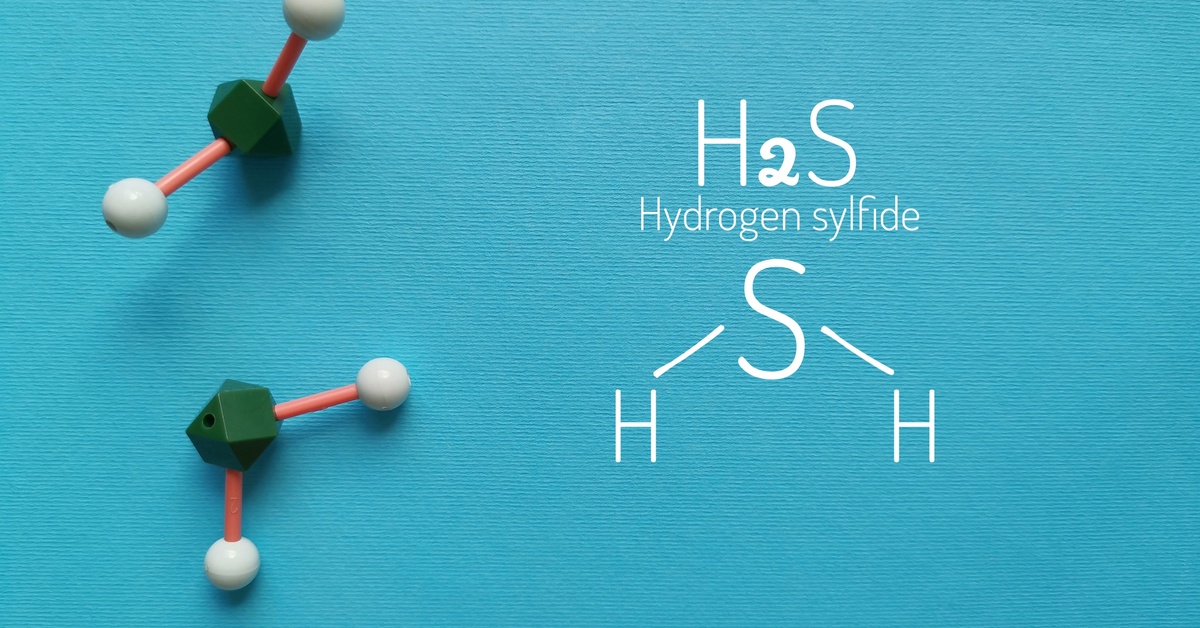
Hydrogen sulfide (H2S) is a notorious challenge in the oil and gas industry. It is toxic, corrosive, and dangerous at even low concentrations, and demands effective strategies for removal. Among the available solutions, regenerative and non-regenerative H2S scavengers stand out as two primary choices.
These scavengers serve the same purpose—to combat H2S in gas streams—but differ significantly in design, cost-effectiveness, and operational requirements. This guide comparing regenerative and non-regenerative H2S scavengers highlights the factors that influence operators toward one option over the other.
The Need for H2S Scavengers
H2S scavengers are chemical compounds or technologies designed to capture and neutralize hydrogen sulfide. This treatment is a must in refineries, chemical plants, gas processing plants, and other sites, because H₂S exposure is harmful. The presence of H₂S can contribute to eye and throat irritation and respiratory health problems, and at high levels, consciousness and fatalities.
Beyond the immediate risk to human health, H2S can be destructive to infrastructure and equipment. Its corrosive nature accelerates the degradation of pipelines, valves, and storage tanks, leading to potential leaks, costly repairs, and unplanned downtime. Left unchecked, H2S corrosion can compromise the integrity of critical systems, reducing operational efficiency and increasing risks of catastrophic failures.
Regenerative Scavengers
Regenerative H2S scavengers lend themselves to repeated use. They operate by capturing H2S and subsequently releasing it during a regeneration phase, allowing workers to reuse the scavenger multiple times. This process involves specialized units or technologies that separate H2S from the spent scavenger, often converting it into a salable byproduct, such as elemental sulfur or sulfuric acid.
Non-Regenerative Scavengers
Non-regenerative scavengers are single-use chemicals that react with H2S to form a stable, non-reversible byproduct. Examples include triazines and metal-based scavengers, such as iron oxide or zinc oxide.
After completing their reaction with H2S, these one-time-use scavengers undergo disposal. Using nonhazardous iron-based products such as SULFURTRAP is beneficial here, since they can normally go to nonhazardous landfills.
Key Differences Between Regenerative and Non-Regenerative Scavengers
Choosing between regenerative and non-regenerative scavengers depends on understanding their respective mechanisms, costs, scalability, and environmental impact. These factors play a critical role in matching the right solution to specific industrial requirements.
Mechanism of Action
An H2S scavenger’s functionality depends largely on how it interacts with hydrogen sulfide. While regenerative systems focus on reuse and resource efficiency, non-regenerative scavengers prioritize simplicity and speed.
Regenerative systems often utilize adsorption or chemical absorption mechanisms. For instance, in amine-based technologies, H2S undergoes absorption into a liquid solution, then separation during regeneration, allowing the reuse of the original solvent. This cyclical process relies on proper equipment, such as stripping columns or reboilers for regeneration.
Non-regenerative scavengers usually involve chemical reactions that permanently bind H2S. For example, triazine-based scavengers react with H2S to form stable sulfur-containing compounds. These methods tend to be less complex but generate waste that requires management.
Cost Efficiency
Cost considerations often influence the choice between these scavenger types. The initial investment, operating costs, waste management processes, and other factors play a significant role in decision-making.
The initial investment for regenerative scavenger systems, including specialized equipment, can be significant. Nevertheless, their ability to reuse the scavenger material lowers operational costs over time, making them cost-effective for high-volume operations. Additionally, the potential to recover salable byproducts further offsets costs.
Non-regenerative scavengers have lower upfront costs since they typically require no specialized equipment. Still, when implementing this solution in high-demand scenarios, operators must consider recurring expenses for chemical replenishment and byproduct disposal.
Application Scalability
Often, the scale of an operation determines which scavenger type is most suitable. Larger facilities may prioritize regenerative solutions, while smaller or temporary setups might benefit more from non-regenerative options.
Regenerative systems may better suit large-scale, continuous processes where the volume of H2S removal justifies the higher capital expenditure. For this reason, refining and gas processing facilities commonly use the solution where hydrogen sulfide levels are consistently high.
Implementing non-regenerative scavengers is straightforward, making them ideal for smaller operations, short-term use, or situations where the concentration of H2S is relatively low. Examples include wellhead treatment, pipeline gas, renewable gas, process off-gas, vent gas, and storage tank applications.
Environmental Impact
Environmental considerations are often key in deciding between H2S scavenger types, as industrial operators and regulators are increasingly focused on reducing waste and emissions. Despite design and operational differences, both types can contribute to waste streams that often make their way to landfills.
Non-regenerative H2S scavengers consumed in the process can result in spent materials that require proper disposal. Similarly, regenerative scavengers—while designed to allow for the reuse of certain components—can still produce residual waste from the regeneration process.
Nevertheless, the presence of these materials in landfills does not inherently cause environmental harm. Certain substances found in some scavenger byproducts can actually serve a beneficial role.
Materials that contain iron, for example, can act as stabilizing layers within landfills, reducing harmful leachate and promoting safer waste containment. This dual role highlights the fact that, while waste generation remains a factor, the thoughtful use of specific materials can mitigate effects and even offer additional benefits to landfill management practices.
Maintenance and Operational Complexity
The operational simplicity or complexity of a scavenger system also influences its feasibility. Companies must weigh the trade-offs between technical support needs and ease of use.
Due to their reliance on specialized equipment and the need for periodic maintenance, regenerative systems can be more technically demanding. Operational expertise is essential to ensure the reliability and efficiency of the system.
Non-regenerative solutions are easier to manage and deploy, making them less operationally intensive. These solutions rely on a one-and-done chemical reaction, requiring minimal technical oversight and reducing maintenance needs.
Suitability for Industry Applications
Comparing regenerative versus non-regenerative H2S scavengers in terms of suitability varies by industry. Important aspects to factor in include the scale of operations, regulatory requirements, and ease of integration into existing workflows.
Oil and Gas Processing

The application context greatly influences the choice between regenerative and non-regenerative scavengers. For instance, refineries or gas processing facilities that require larger amounts of H2S treatment can benefit from regenerative systems’ scalability and efficiency.
At the same time, non-regenerative scavengers perform well in scenarios in which flexibility prevails over scalability. These scenarios include remote drilling sites, short-term maintenance operations, or smaller gas flows. The absence of regeneration infrastructure at such sites often makes non-regenerative systems the only viable options.
Wastewater Treatment
H2S is a prevalent issue in wastewater systems due to sulfide-rich environments. Non-regenerative scavengers, particularly metal-based ones, see frequent use in this sector for local treatments. Larger municipal or industrial wastewater plants, though, may explore regenerative solutions for centralized treatment.
Biogas Production
Biogas containing H2S requires purification before utilization or further processing. Depending on the scale of operation, regenerative scavengers, such as amine scrubbers may be ideal for larger facilities, while smaller biogas plants may opt for cost-effective non-regenerative options.
Challenges and Considerations
Operators need to address several challenges when selecting the appropriate scavenger system. Some of the most important include health and safety and equipment investment.
Both scavenger types require operators to handle hazardous chemicals, making training and proper equipment vital to mitigate risks during handling and disposal. However, it’s regenerative scavenger systems that necessitate substantial initial investments in equipment. Companies must assess whether their operational scale and H2S volumes justify this expenditure.
Waste management is another factor. Industrial sectors must comply with environmental and safety regulations regarding disposal and emissions limits, whether using regenerative or non-regenerative systems.
Using a non-hazardous non-regenerative product such as SULFURTRAP for hydrogen sulfide treatment supports responsible disposal. When chemically reacting with H2S, this scavenger forms stable, non-hazardous byproducts that are easy to handle and dispose of while following local regulations. This reduces the complexity and cost associated with managing hazardous waste.
This scavenger’s high sulfur-loading capacity ensures extended bed life, meaning less-frequent replacement. Such efficiency minimizes the volume of spent material requiring disposal, aligning with sustainable waste management practices.
Choose the Right Solution for Your Operations
Ultimately, deciding between regenerative and non-regenerative H2S scavengers isn’t a one-size-fits-all approach. It requires a balanced analysis of various factors, such as scale, cost, environmental impact, and operational complexity. After carefully considering these elements, you can effectively mitigate H2S risks in your industry while maintaining efficiency and compliance.