
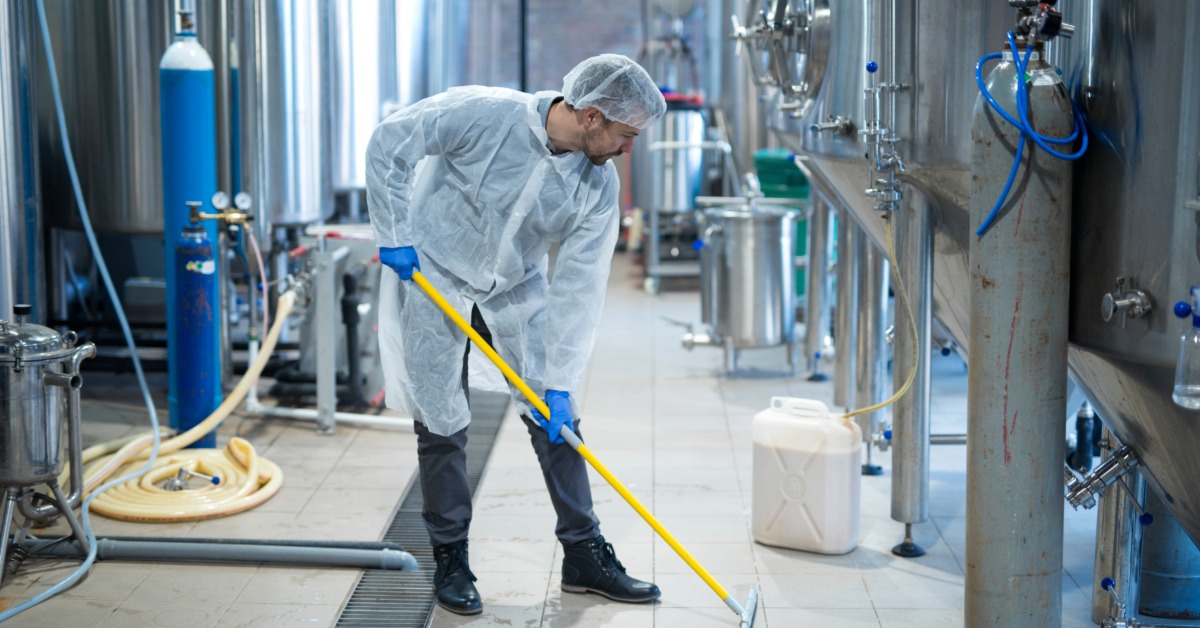
Facility managers, contractors, and homeowners increasingly seek cleaning products that perform well without harming people or the environment. Many traditional industrial cleaners contain harsh chemicals that pose health risks and contribute to pollution. Biodegradable cleaners offer an effective alternative, breaking down naturally after use and minimizing their environmental footprint. However, not all products marketed as “green” deliver on their promises.
Making an informed choice requires careful consideration of ingredients, certifications, and performance. Understanding the factors involved in choosing biodegradable industrial cleaners for your facility helps you select products that align with safety, operational, and environmental goals.
Verify Third-Party Certifications
Independent third-party certifications provide a reliable way to verify a product’s environmental and safety claims. When you see a certification mark from a well-respected organization on a product label, it confirms that the cleaner has undergone thorough testing and meets strict, predefined standards for performance, human health, and environmental safety.
These organizations conduct comprehensive evaluations, assessing everything from sourcing raw materials to final product formulation and its potential impact. To ensure you’re making a credible choice, look for the following trusted certifications on product packaging and technical data sheets:
- Green Seal®: This certification indicates that a product has passed a rigorous, science-based evaluation, demonstrating its leadership in environmental responsibility.
- EPA Safer Choice: The U.S. Environmental Protection Agency’s Safer Choice label helps consumers and businesses easily identify products that contain safer chemical ingredients without sacrificing quality or performance.
- ECOLOGO®: Products bearing this mark are certified for reduced environmental impact, meeting multi-attribute, life-cycle-based ecological standards that are transparent and scientifically proven.
- NSF International: For facilities where food preparation, processing, or storage occurs, NSF certification is particularly crucial. It indicates that a cleaner has been tested and is safe for use in sensitive environments, reducing the risk of chemical contamination.
Scrutinize the Ingredient List
A product’s ingredient list reveals its true nature. Effective biodegradable cleaners often use plant-derived components and natural enzymes to break down dirt and grease. These ingredients target specific soil types without resorting to aggressive chemical action.
However, not all effective cleaners rely solely on plant-based ingredients. For example, Aqua Cleen is a non-ionic cleaner that is inherently biodegradable, balancing performance and environmental responsibility. Such formulations can deliver excellent cleaning performance while breaking down naturally after use.
When reviewing labels, look for formulations that prioritize non-toxic, biodegradable ingredients. At the same time, avoid products that list harsh chemicals. Some common ingredients to steer clear of include:
- Sulfates
- Phosphates
- Chlorine bleach
- Ammonia
These substances can cause skin and respiratory irritation and persist in the environment, accumulating in waterways and harming aquatic life. A truly responsible cleaner will feature a transparent ingredient list that aligns with safety and sustainability goals.
Select Low VOC Formulations
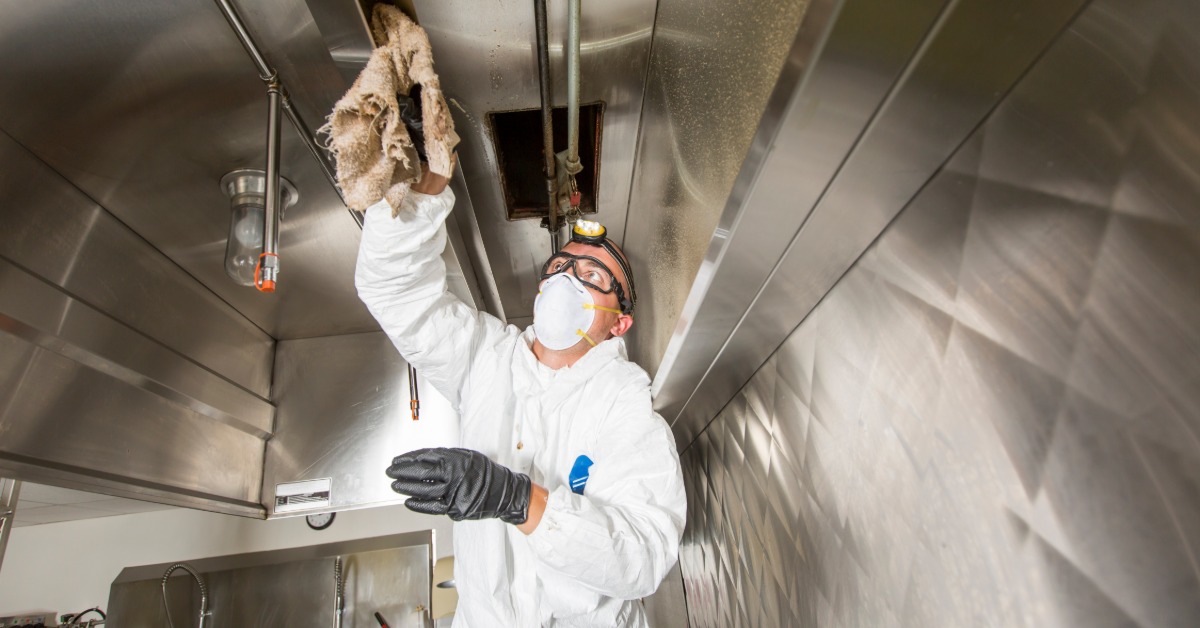
VOCs are gases from solids or liquids, common in cleaning products, that can evaporate into the air during use or storage, reducing indoor air quality. Exposure causes health issues like headaches, nausea, dizziness, and irritation, especially in those with respiratory sensitivities, and can worsen asthma. High VOC levels also promote ground-level ozone formation, contributing to outdoor smog that harms health and the environment.
Choosing low-VOC or, even better, fragrance-free cleaners is a proactive step towards creating a healthier and safer indoor environment. Many governmental and environmental regulatory bodies, such as the California Air Resources Board (CARB), have established strict limits on the VOC content allowed in consumer and industrial products to mitigate these risks. Checking for compliance with these regulations and seeking certifications from reputable organizations can help you select safer, more responsible cleaning solutions. By opting for low-VOC products, you not only protect the health of your employees and visitors but also demonstrate a tangible commitment to environmental stewardship.
Prioritize Concentrated Formulas
Concentrated cleaners offer several advantages over their ready-to-use counterparts. Because they contain less water, they require smaller packaging, reducing plastic waste and lowering transportation-related carbon emissions. Shipping less weight and volume makes for a more efficient supply chain.
Using concentrated products also gives you control over the cleaning strength. A dilution control system helps your staff mix the precise ratio of cleaner to water for each task. This practice has multiple benefits:
- It prevents product waste from overuse.
- It improves worker safety by minimizing direct contact with the concentrate.
- It delivers consistent, effective cleaning results every time.
Proper dilution makes concentrated formulas a cost-effective and responsible choice for large-scale cleaning operations.
Confirm Surface Compatibility
Using the wrong cleaner on a surface can cause irreversible damage, leading to costly repairs or replacement. An effective biodegradable industrial cleaner should be powerful enough to remove contaminants but gentle enough to preserve the integrity of the surface being cleaned.
Before committing to a product, confirm its compatibility with the various materials in your facility. Some cleaners are versatile enough for use on multiple surfaces, from concrete floors with specialized sealers to epoxy coatings and stainless steel equipment. Selecting a multi-surface cleaner can streamline your inventory and simplify your cleaning protocols. Always read the manufacturer’s instructions and, if possible, test the cleaner on a small, inconspicuous area first.

Review Safety and Training Protocols
Worker safety is paramount in any industrial setting. Biodegradable cleaners, while generally safer than traditional chemical products, still require proper handling. It is essential to have up-to-date Safety Data Sheets (SDS) for every cleaning product used in your facility. These documents provide detailed information on handling, storage, and emergency procedures. Furthermore, comprehensive staff training is essential for safe and effective use. Your team should understand:
- Correct dilution ratios for concentrated products.
- Appropriate personal protective equipment (PPE) requirements.
- Surface compatibility to prevent damage.
- Proper disposal methods.
A well-trained team maximizes the benefits of your chosen cleaners while minimizing risks.
Making the Right Choice for Your Operations
The process of choosing biodegradable industrial cleaners for your facility contributes to a safer workplace, a smaller environmental footprint, and a positive brand image. By focusing on certifications, ingredients, and proper use, you can confidently select products that clean effectively. Some advanced formulas even contain a non-ionic surfactant, which improves wetting and penetration to lift and disperse tough contaminants. Contact our team to find the correct formulation for your needs.
Ready to make the switch to safer, more sustainable cleaning solutions? Contact us today to learn more about our products and discover how they can transform your cleaning processes, benefit your workplace, and support the environment.