
Imagine walking through a lush green park, and suddenly you catch a whiff of rotten eggs. That unmistakable stench is likely hydrogen sulfide (H₂S), a colorless gas with a pungent odor. Commonly found in natural gas, volcanic emissions, and sources such as sewage and manure, this gas can be a silent killer if not properly managed. Therefore, being aware of the dangers of hydrogen sulfide is important.
Industries That Use Hydrogen Sulfide
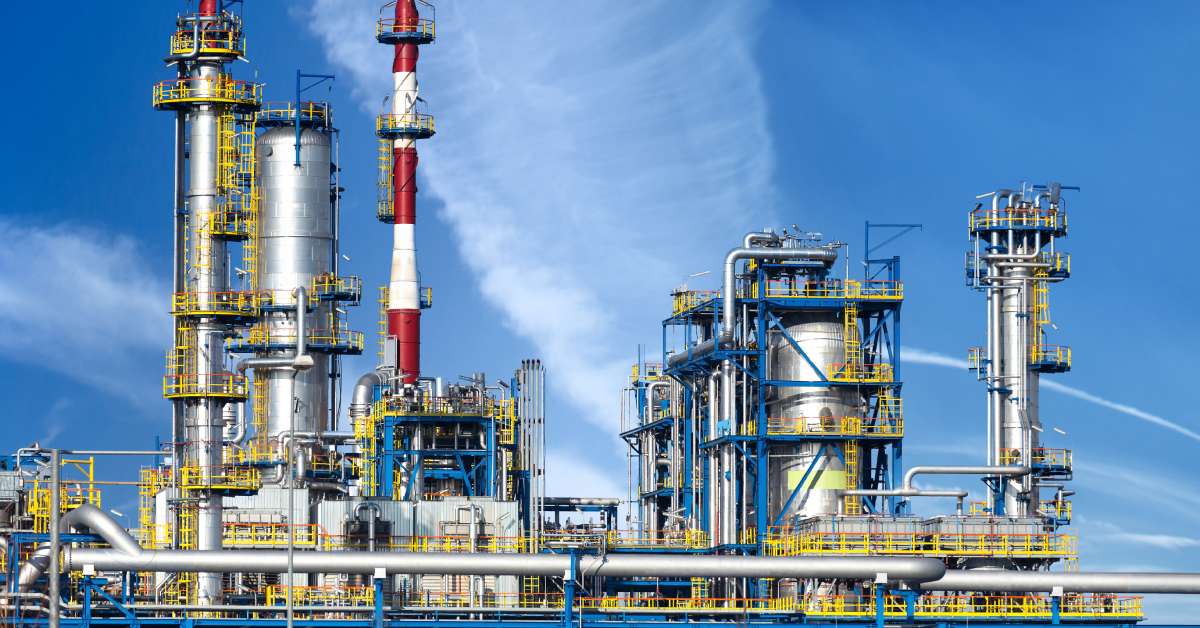
Several industries rely on hydrogen sulfide for various applications, despite its potential dangers. For instance, H₂S is a naturally occurring gas found in crude oil and natural gas reservoirs, making it a common byproduct of the extraction and processing of oil and gas. The gas is also prevalent in the production of sulfur compounds and in certain chemical manufacturing processes. Paper mills utilize it in the pulping process, while wastewater treatment plants encounter it as a byproduct.
In agriculture, hydrogen sulfide emanates from manure pits and silage storage. These industries must manage H₂S carefully to protect workers and the surrounding communities from exposure. Understanding the use cases of hydrogen sulfide can help in recognizing potential risks and implementing necessary safety measures.
Health Hazards of Hydrogen Sulfide
Exposure to hydrogen sulfide can lead to severe health issues. Inhaling even small amounts can cause irritation of the eyes, nose, and throat. Prolonged exposure can result in more dangerous respiratory problems, such as difficulty breathing, and can exacerbate existing conditions like asthma.
Neurological effects are another concerning aspect of hydrogen sulfide exposure. High exposure levels can cause headaches, dizziness, and nausea. In extreme cases, it can lead to loss of consciousness, convulsions, and even death. The severity of these symptoms often depends on the concentration and duration of exposure.
Long-term exposure to low levels of H₂S can cause chronic health effects. Individuals working in industries with regular H₂S exposure may experience ongoing respiratory and neurological issues. This makes it crucial to monitor and limit exposure to ensure long-term health and safety.

Environmental Impact of Hydrogen Sulfide
Hydrogen sulfide also negatively impacts the environment. When released into the air, H₂S contributes to air pollution. It reacts with other compounds to form sulfur dioxide and particulate matter, both of which are harmful pollutants.
The presence of hydrogen sulfide in bodies of water can be particularly detrimental. It can lead to the acidification of water, which affects aquatic life. Fish and other marine organisms are highly sensitive to changes in pH levels and can suffer from increased mortality rates due to H₂S contamination.
Plants are not immune to the effects of hydrogen sulfide either. High concentrations in the soil can inhibit plant growth and reduce crop yields. This has significant implications for agriculture and food security, emphasizing the need for effective management of H₂S emissions.
Detection and Monitoring of Hydrogen Sulfide
Given the dangers associated with hydrogen sulfide, detecting and monitoring it is essential. Various methods can measure H₂S levels, including gas detectors and air sampling techniques. These tools help identify areas where hydrogen sulfide is present and assess the concentration levels.
Safety standards are in place to regulate acceptable levels of hydrogen sulfide exposure. Occupational safety organizations provide guidelines for permissible exposure limits to protect workers. Continuous monitoring in industrial settings ensures compliance with these standards and helps prevent hazardous exposure.
Advanced technologies, such as real-time monitoring systems, offer more efficient ways to detect hydrogen sulfide. These systems provide immediate alerts when H₂S levels exceed safe limits, allowing for prompt action to mitigate risks.
Protection and Prevention
Protecting yourself from hydrogen sulfide exposure involves a combination of personal protective equipment (PPE), safety protocols, and gas sweeteners. Workers in industries where H₂S is prevalent should wear gas masks, respirators, and protective clothing to minimize exposure.
Implementing proper ventilation systems in workplaces can significantly reduce hydrogen sulfide concentrations in the air. Regular maintenance of equipment and facilities also helps prevent leaks and the buildup of H₂S.
Training and awareness programs are critical in educating workers about the risks of hydrogen sulfide and the importance of safety measures. By understanding how to handle and respond to H₂S, individuals can protect themselves and their colleagues from potential harm.
Additionally, the use of gas sweeteners can help reduce the concentration of H₂S in industrial processes by chemically reacting with hydrogen sulfide. Utilizing H₂S adsorbents not only improves the safety of operations by minimizing the risk of toxic exposure but also enhances the quality of the final product. Gas sweetening is a crucial step in ensuring compliance with environmental regulations and maintaining efficient industrial performance.

The Pivotal Role of Community Awareness
Raising community awareness about the dangers of hydrogen sulfide is vital. Public education campaigns can inform people about the sources and risks associated with H₂S. This knowledge empowers communities to take proactive steps in monitoring and reporting suspicious activities or odors.
Engaging with local authorities and industry leaders can lead to the implementation of better solutions to support safety standards. Community involvement plays a crucial role in ensuring that industrial activities are conducted while complying with all applicable regulations.
By fostering a collaborative effort between industries, communities, and regulatory bodies, we can create a safer environment for everyone. Sharing information and best practices helps build a culture of safety and responsibility.
The Importance of Advocacy and Regulation
Advocacy for the responsible handling of hydrogen sulfide is necessary to protect public health and the environment. To prevent safety issues, collaboration between the public, the industry, and the applicable organizations is critical to maintaining the levels of H₂S below the regulatory standards. By working together, we can minimize the negative effects of hydrogen sulfide.
Creating a Safer and Healthier World
Being aware of the dangers of hydrogen sulfide is key to keeping employees, communities, and the environment safe from its negative effects. Recognizing the industries that use H₂S, understanding its health hazards, and acknowledging its environmental impact are crucial steps in addressing this issue. By implementing effective detection and monitoring methods, adhering to safety protocols, and raising community awareness, we can protect ourselves and our environment from the harmful effects of hydrogen sulfide.