
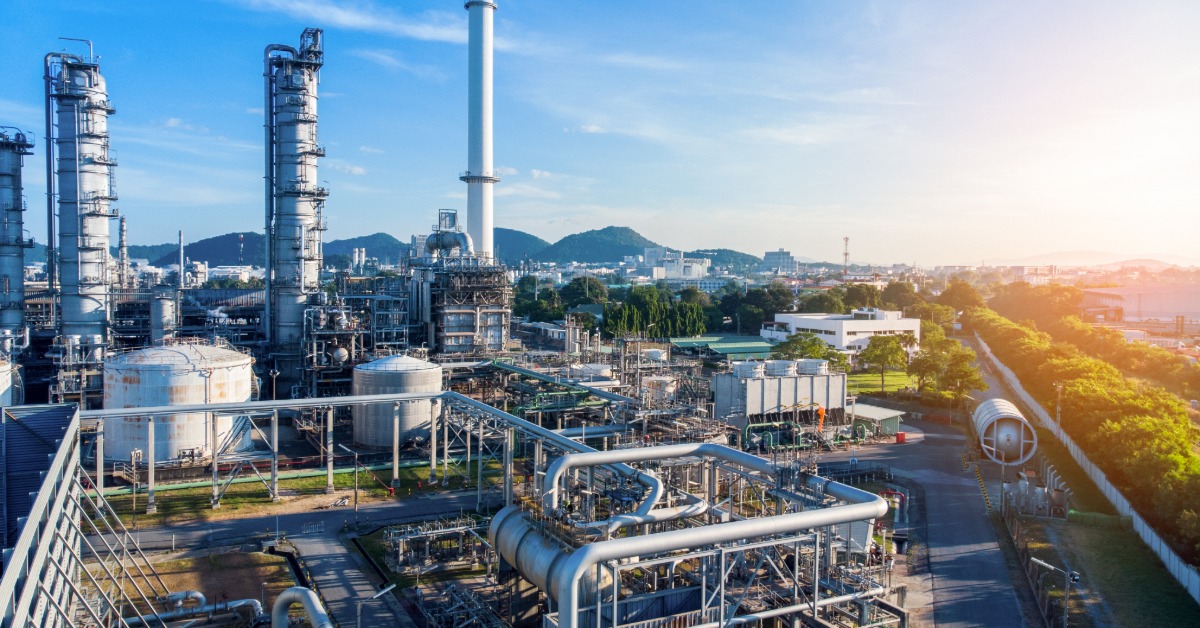
Operators across the oil, gas, and refining sectors face ongoing pressure to control sulfur compounds in process streams. Hydrogen sulfide and light mercaptans create safety risks, corrosion concerns, and product quality issues that demand reliable treatment strategies. Using vessel systems for H2S and light mercaptan removal provides a structured, proven approach to managing these contaminants while maintaining operational efficiency.
Vessel-based solutions ensure consistent performance by controlling contact between gas streams and treatment media. Engineers rely on these systems for their adaptability, scalability, and compatibility with a wide range of operating conditions. With the right configuration, facilities can achieve stable removal rates while meeting regulatory and commercial requirements.
The Role of H₂S and Mercaptan Removal in Industrial Operations
Hydrogen sulfide presents immediate safety hazards due to its toxicity and flammability. Exposure can affect personnel quickly, making early removal a top priority across all processing environments. Even at low concentrations, H₂S contributes to corrosion that damages pipelines, vessels, and downstream equipment.
Light mercaptans create a different set of challenges. Their strong odor can lead to product rejection, while their chemical properties can interfere with refining and processing steps. Facilities that address both contaminants at the right stage improve product quality and reduce operational risks.
Producers who manage sour gas streams effectively maintain better uptime and avoid costly shutdowns. Strong treatment strategies also support compliance with evolving environmental and safety standards across the industry.
How Vessel Systems Support Sulfur Removal
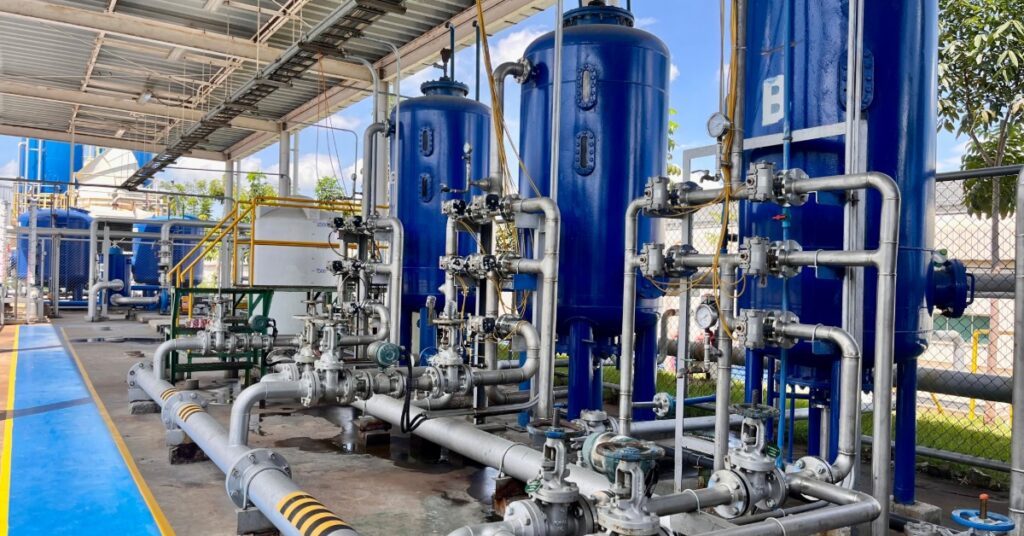
Vessel systems create a controlled treatment zone where contaminated streams interact with specialized media. This setup allows operators to target hydrogen sulfide and mercaptans with precision.
Gas flows through a pressure-rated vessel packed with adsorbent or catalytic media. As the stream passes through, the media captures or converts sulfur compounds. This process maintains continuous flow while removing unwanted contaminants.
System configurations vary based on treatment goals. Single-vessel setups work well for lower concentrations, while multi-vessel designs support continuous treatment. In a lead-lag configuration, the lead vessel removes the sulfur while the lag vessel remains available to maintain continuous operation.
Once the lead vessel reaches its spent capacity, operators take it offline and direct the full stream through the second vessel while crews replace the spent media.
This flexibility gives engineers control over performance while supporting consistent output quality.
Types of Media Used in Vessel Systems
Media selection directly influences removal efficiency and system lifespan—each type of media targets specific contaminants and operating conditions.
Common media used for H₂S and light mercaptan removal include:
- Metal oxide-based adsorbents
- Molecular sieves
- Enhanced activated carbon
- Activated carbon
Catalysts
Hybrid Beds That Combine Two or More Media Types
Iron-based media often provide reliable performance in moderate H₂S environments. Activated carbon solutions support applications that require deeper polishing. Catalytic options play a strong role in mercaptan conversion, especially in LPG and similar streams.
Selecting the right media requires a clear understanding of gas composition, operating conditions, and treatment targets.
Design Considerations for Vessel-Based Systems
Strong system design supports consistent removal performance. Engineers evaluate several factors before selecting and sizing vessel systems.
Important considerations include:
- Flow rate, pressure, temperature, and moisture content of the gas stream
- Concentration levels of hydrogen sulfide and mercaptans
- Required outlet specifications
- Available footprint for installation
Proper sizing allows sufficient contact time between the gas and the media. When contact time drops too low, removal efficiency declines. When systems are run oversized, operators incur higher costs without additional performance gains.
Engineers also consider vessel orientation, internal distribution, and flow uniformity. These elements influence how evenly the gas interacts with the media, which affects overall system performance.
Advantages of Vessel Systems in Sulfur Treatment
Vessel systems offer clear operational and performance benefits that support long-term use across many industries.
Key advantages include:
- Consistent and predictable removal efficiency
- Modular designs that allow phased expansion
- Compatibility with a wide range of gas compositions
- Reduced complexity compared to liquid treatment systems
- Lower risk associated with chemical handling
Operators also gain more control over maintenance planning. Teams can replace media during scheduled downtime rather than reacting to unexpected failures. This structured approach improves reliability across the facility.
Vessel systems also support remote and offshore operations where simplicity and durability play a major role in system selection.
Applications Across Oil, Gas, and Processing Facilities
Operators apply vessel systems across multiple sectors where sulfur removal remains a priority. These systems support both traditional and emerging energy markets.
Common use cases include:
- Treating natural gas before pipeline transmission
- Upgrading biogas for renewable energy applications
- Removing sulfur compounds from LPG and NGL streams
- Supporting refinery process units with clean feedstocks
Facilities that process sour gas rely on vessel systems to ensure stable, repeatable performance. Using vessel systems for H2S and light mercaptan removal helps operators meet product specifications while protecting downstream equipment.
These systems also support evolving energy demands, including renewable gas streams that often contain higher sulfur variability.
Integration With Broader Treatment Strategies
Vessel systems often operate as one part of a multi-stage treatment approach. Engineers design integrated systems that address contaminants at different points in the process.
Upstream equipment may remove bulk liquids or particulates before gas enters the vessel system. This step protects the media and improves overall efficiency. Downstream polishing units may follow vessel treatment when ultra-low sulfur levels are required.
This layered design allows operators to balance performance and cost. Each stage handles a specific role, thereby improving system reliability and extending equipment life.
Facilities that adopt integrated treatment strategies gain more flexibility when process conditions change.
Operational Best Practices for Long-Term Performance
Operators who follow structured practices maintain consistent system performance over time. Routine monitoring and maintenance play a central role in long-term success.
Recommended practices include:
- Tracking inlet and outlet sulfur concentrations
- Maintaining steady flow and pressure conditions
- Inspecting vessels for integrity and performance issues
- Scheduling media replacement based on data trends
Performance data helps operators identify early signs of media exhaustion or system imbalance. Acting early prevents larger issues that could disrupt production.
Training also plays an important role. Teams that understand system behavior can respond quickly and maintain stable operations across varying conditions.
Supporting Reliable H2S Removal From Natural Gas
Gas processing facilities require dependable treatment methods to meet pipeline and regulatory standards. Vessel systems provide a strong foundation for sulfur removal in these environments. When configured correctly, they support H2S removal from natural gas while maintaining steady throughput and minimizing disruption.
Engineers can adjust vessel systems to match changes in gas composition or flow rate. This flexibility allows facilities to maintain performance even as production conditions shift.
Reliable sulfur removal protects infrastructure, supports compliance, and maintains product value across the supply chain.
Supporting Long-Term Sulfur Management Goals
Vessel systems offer a practical and proven approach for managing hydrogen sulfide and light mercaptans across a range of industrial applications. Their structured design, adaptable configurations, and compatibility with advanced media give operators strong control over treatment performance.
Facilities that invest in well-designed vessel systems gain better consistency in sulfur removal. Teams can maintain safer operations, protect equipment, and meet strict product specifications with greater confidence.
When engineers align system design with process conditions and maintain strong operational practices, vessel systems deliver reliable results over time. This approach supports both immediate treatment needs and long-term performance across oil, gas, and processing environments.