
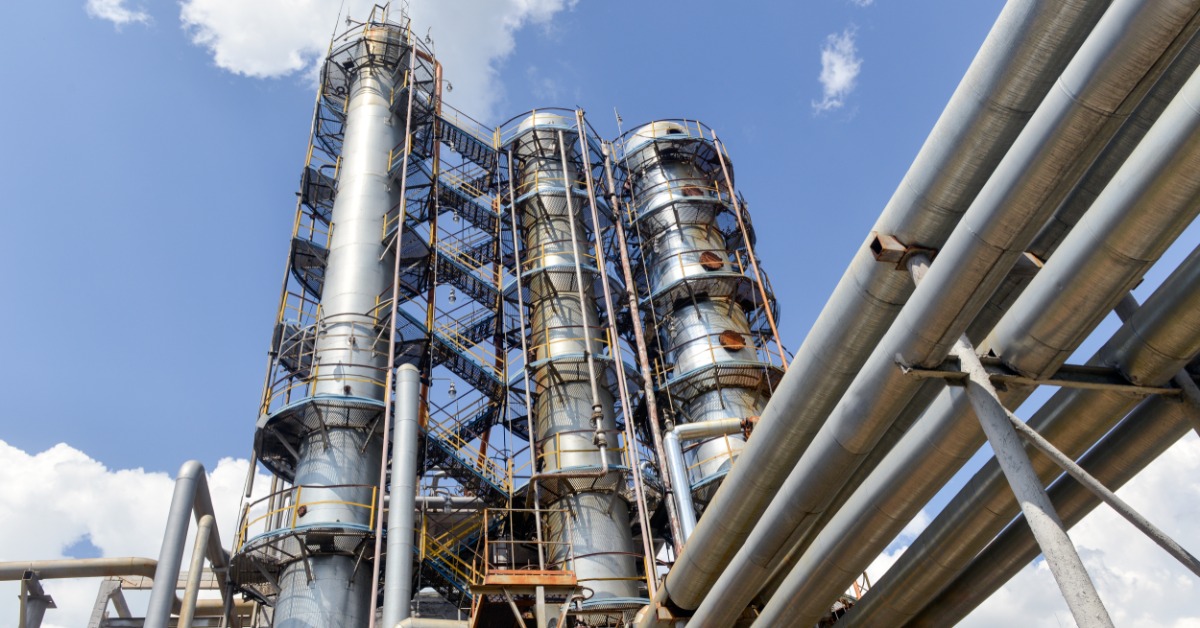
Hydrogen sulfide creates persistent challenges across natural gas, refinery gas, and renewable gas operations. The compound introduces corrosion risks, safety concerns, and regulatory compliance issues when it remains in untreated gas streams. Gas processors must remove sulfur compounds before the gas enters pipelines, refining systems, or downstream applications.
LO-CAT systems are used in several gas-treatment environments where continuous sulfur removal supports operational stability. When engineers understand how the process works and where it performs best, they can determine whether it fits within their overall gas purification strategy.
Companies across the oil and gas sector rely on specialized purification technologies to manage sulfur contaminants and protect processing equipment.
For operators comparing sulfur control technologies, here’s what you should know about lo-cat H₂S removal and where liquid redox treatment fits within gas purification strategies.
Why Hydrogen Sulfide Removal Matters
Hydrogen sulfide creates several operational risks when it remains in untreated gas streams. Gas processors must manage sulfur levels to protect infrastructure and maintain regulatory compliance.
Hydrogen sulfide removal helps operators address several critical concerns:
- Corrosion in pipelines, compressors, and process equipment
- Worker safety risks caused by toxic gas exposure
- Catalyst poisoning in downstream refining processes
- Product contamination in natural gas and refined fuels
- Environmental compliance requirements for sulfur emissions
These challenges explain why sulfur removal remains a core step in natural gas processing, refinery operations, and renewable gas upgrading.
When operators evaluate treatment strategies, they consider both the sulfur concentration and the operational requirements of their facilities.
How the LO-CAT Process Works
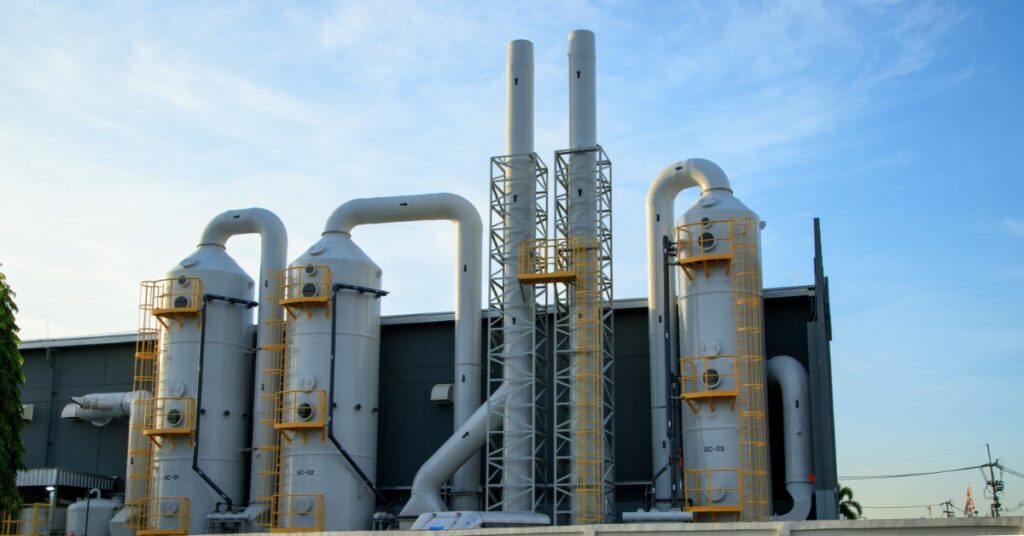
LO-CAT systems rely on liquid redox chemistry to convert hydrogen sulfide into elemental sulfur. The system circulates a treatment solution that absorbs hydrogen sulfide from the gas stream and converts it through a controlled chemical reaction.
This process allows facilities to treat sour gas streams while continuously regenerating the treatment solution within the system.
You can think of the process in three primary stages.
Absorption
The incoming gas stream contacts the circulating LO-CAT solution inside an absorber vessel. Hydrogen sulfide transfers from the gas phase into the liquid phase, where the chemical treatment occurs.
Effective gas-liquid contact improves removal performance, so system design focuses on maximizing interaction between the gas stream and the circulating solution.
Chemical Conversion
Once absorbed, hydrogen sulfide reacts with dissolved iron-chelate compounds in the solution. This reaction oxidizes hydrogen sulfide, producing elemental sulfur particles suspended in the circulating solution. The reaction allows the process to convert sulfur compounds directly while maintaining the active treatment chemistry.
Regeneration
Air regenerates the treatment solution by restoring the oxidized iron species needed for continued sulfur removal. Oxygen reoxidizes the reduced iron, allowing the solution to continue removing hydrogen sulfide from incoming gas streams. During this stage, the system also separates solid sulfur, which operators remove using filtration or settling equipment.
This continuous cycle allows the LO-CAT solution to circulate through the system while repeatedly absorbing and converting hydrogen sulfide. With proper monitoring and system balance, facilities can maintain consistent sulfur removal during long operating periods.
Applications Where LO-CAT H₂S Removal Is Used
LO-CAT technology performs best in operating environments where continuous sulfur removal supports stable gas-treatment operations. The process handles moderate hydrogen sulfide concentrations while allowing facilities to recover elemental sulfur.
Common applications include:
- Natural gas processing plants
- Refinery gas treatment systems
- Biogas upgrading facilities
- Amine tail gas cleanup systems
- Industrial gas purification operations
Facilities often integrate LO-CAT systems into broader sulfur removal strategies. Operators may combine primary sulfur-removal technologies with polishing systems to capture residual sulfur compounds.
How LO-CAT® Differs From Solid Adsorbent Systems
LO-CAT® is a liquid redox technology, not a solid adsorbent. The system uses an iron-chelate solution to remove H₂S from gas streams and convert it into elemental sulfur via controlled oxidation.
This makes LO-CAT® distinct from dry-media products such as SULFURTRAP®, which use solid adsorbents to remove H₂S and some light mercaptans from gas or liquid streams. Both technologies support sulfur removal, but they work through different process designs.
LO-CAT® can function as a direct H₂S removal unit for gas streams and as a sulfur recovery unit downstream of an acid-gas removal system. That flexibility makes it a strong fit for facilities that need continuous treatment and sulfur recovery within a liquid redox process.
Solid adsorbent systems may be suitable for applications where operators need dry-media treatment, polishing, or compact equipment for lower sulfur loads. Understanding this difference helps engineers compare LO-CAT® with dry media technologies without treating them as the same category.
Operational Considerations for LO-CAT Systems
Facilities that operate LO-CAT systems must maintain proper operating conditions to support consistent sulfur removal. Like any chemical treatment technology, the system requires monitoring and routine maintenance.
Several operational factors influence system performance.
Solution Chemistry Control
The circulating LO-CAT solution requires monitoring to maintain the proper chemical balance. Operators track pH levels, iron concentration, and oxidation conditions to keep the redox reactions operating efficiently.
Sulfur Handling
The process generates elemental sulfur particles during the conversion of hydrogen sulfide. Facilities must install separation systems that enable operators to remove sulfur solids via filtration, settling, or other methods.
Oxygen Management
Air injection supports solution regeneration by restoring the oxidized iron species used in the process. Operators must maintain controlled oxygen levels so the regeneration step continues without disrupting other operating conditions.
With consistent monitoring and routine system adjustments, operators can maintain stable hydrogen sulfide removal performance.

When Operators Choose Alternative H₂S Removal Methods
LO-CAT technology offers advantages in many gas treatment applications, but certain operating environments benefit from alternative sulfur removal approaches. Engineers evaluate gas composition, flow conditions, and operational priorities before selecting a treatment method.
Alternative sulfur removal technologies may work better when:
- Hydrogen sulfide concentrations remain relatively low
- Facilities require compact treatment equipment
- Gas flow rates fluctuate frequently
- Operations need simplified maintenance requirements
- Treatment systems serve smaller-scale processing units
Many modern gas treatment strategies combine several technologies within a single system. Operators may use primary sulfur-removal processes, followed by polishing systems that capture residual sulfur compounds.
Key Benefits of the LO-CAT Process
When applied under the right operating conditions, LO-CAT systems offer several advantages for hydrogen sulfide management.
Key benefits include:
- Continuous hydrogen sulfide removal during operation
- Conversion of hydrogen sulfide into stable elemental sulfur
- Regeneration of the treatment solution through controlled chemistry
- Adaptability across several industrial gas treatment applications
- Proven performance in gas purification environments
These characteristics explain why LO-CAT systems remain part of many sulfur-removal strategies in natural gas and refinery operations.
Choosing the Right H₂S Treatment Strategy
Selecting the right sulfur removal technology requires a careful evaluation of gas composition and facility operating conditions. Engineers must balance removal efficiency, operating cost, equipment requirements, and regulatory compliance.
Operators typically evaluate several factors before implementing a sulfur treatment system:
- Hydrogen sulfide concentration in the gas stream
- Gas composition and contaminants
- Flow rate and operating pressure
- Environmental regulations and emissions limits
- Equipment footprint and infrastructure availability
When engineers analyze these variables, they can determine whether LO-CAT systems, adsorption technologies, or hybrid treatment strategies provide the best solution.
Understanding how LO-CAT H₂S removal works helps operators evaluate where liquid redox technology fits within modern gas purification strategies. Facilities that match treatment technologies with their operating conditions can maintain reliable sulfur control, protect equipment, and meet regulatory requirements.