

Hydrogen sulfide creates corrosion, odor, safety, and product-quality concerns across gas and liquid processing systems. Because each stream has its own operating profile, comparing common methods for hydrogen sulfide removal begins with concentration, flow rate, sulfur-loading capacity, pressure, moisture, and disposal requirements. A method that works well for odor control may fail in a high-load industrial gas stream. Another option may meet outlet specs but create higher chemical waste costs than the site can support.
A smart treatment choice comes from matching the process conditions to the chemistry. Operators need to know how each method captures, reacts with, converts, or transfers H₂S before they commit to equipment, media, or long-term service.
Why Hydrogen Sulfide Treatment Varies by Application
H₂S doesn’t behave the same way in every stream. Gas streams, liquid hydrocarbons, wastewater, landfill gas, biogas, and natural gas can all require different treatment paths.
Sulfur load drives many cost decisions. A simple fixed-bed system may support a low, intermittent load. A steady, higher load may favor a regenerable process with better long-term economics. Site teams also need to consider whether they can manage chemical byproducts, spent media, elemental sulfur, or off-gas treatment.
Chemical Scavengers for Fast Reaction
Chemical scavengers react directly with H₂S in the process stream. Triazine-based scavengers often appear in field operations because they can work quickly and require a smaller equipment footprint than many installed systems. Teams may use them during temporary treatment needs, production changes, or smaller operations that don’t justify larger capital equipment.
Chemical scavengers bring tradeoffs. Triazine chemistry can form byproducts that require careful handling and may create operational problems when the treatment program doesn’t match the stream. Disposal costs, chemical consumption, and solids formation can make this route less attractive over time.
Chemical scavengers often make sense when operators need rapid deployment and have a clear plan for managing spent chemicals. However, they may not fit sites that need a lower-waste, long-duration treatment approach.
Iron Oxide Media and Fixed-Bed Systems
Iron oxide media removes H₂S through a chemical reaction. The sulfur compound reacts with the metal oxide surface, forming iron sulfide. This process differs from pure physical adsorption because the media doesn’t simply hold H₂S through surface attraction.
Fixed-bed systems can provide a straightforward path for gas or liquid streams with smaller or intermittent sulfur loads. Operators pass the sour stream through a vessel packed with reactive media. Once the bed reaches its spent capacity, crews replace the media.
This route works well when the site wants simple equipment, lower complexity, and predictable maintenance intervals. Media selection still matters because particle shape, crush strength, moisture tolerance, sulfur capacity, and pressure drop affect bed life.
Activated Carbon for Odor Control and Polishing
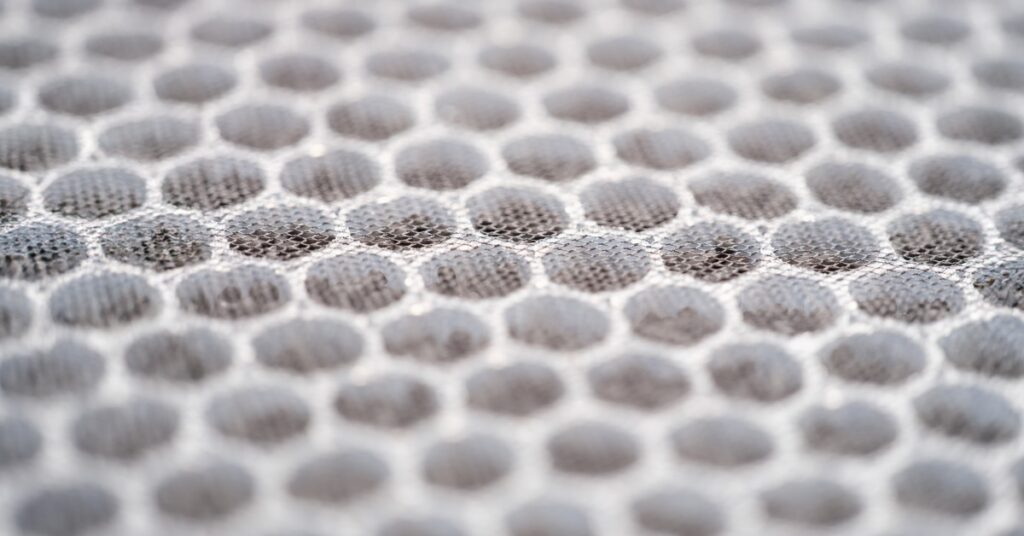
Activated carbon can help reduce H₂S concentrations, control odor, and perform polishing duties. Pure activated carbon relies primarily on physical adsorption, whereas promoted carbon can introduce chemical activity. That difference matters because the treatment mechanism affects capacity, regeneration, and stability.
Carbon often performs well in wastewater, landfill, and vent applications where H₂S levels remain relatively low. It can fit compact installations and retrofit projects. However, high sulfur loads, moisture swings, and competing hydrocarbons can shorten media life.
Operators should avoid treating activated carbon as a universal bulk-removal option. It can serve a valuable role, but it needs the right inlet conditions and realistic changeout planning.
Molecular Sieves and Regenerable Adsorption
Molecular sieves capture compounds through physical adsorption. They can desorb captured molecules during regeneration, which makes them useful in systems designed for repeated cycles. This route can support selective removal when the process already includes the right regeneration setup.
Physical adsorption has a different risk profile than reactive media. Changes in temperature, pressure, or composition can affect how strongly the media holds H₂S. If the system doesn’t control regeneration and breakthrough well, contaminants may slip downstream.
Molecular sieves deserve close review when operators need regenerable adsorption, tight moisture control, or selective separation. They usually require more process integration than simple replaceable media.
Liquid Redox for Higher Sulfur Loads
Liquid redox systems convert H₂S into elemental sulfur with a circulating solution. These systems often suit steady, higher-sulfur loads because they treat H₂S continuously rather than relying solely on spent-media replacement. The process can reduce long-term operating costs when sulfur production stays high enough to justify the equipment.
Liquid redox systems require more equipment than a small fixed-bed vessel. Operators need to manage circulation, oxidation, sulfur separation, and solution chemistry. The added system complexity can pay off when media replacement or the use of chemical scavengers becomes too frequent.
This option often enters the discussion when the sulfur load exceeds the range in which disposable media make economic sense.
Amine and Caustic Treating
Amine and caustic treating can remove H₂S from gas or liquid hydrocarbon streams. These systems may also address related contaminants such as acid gases, carbonyl sulfide, or mercaptans, depending on the chemistry and process design.
Amine treating typically removes acid gas from gas streams. Caustic treating is often used in liquid hydrocarbon applications where sulfur species need to be extracted or converted. Both methods require careful operating control because chemical strength, contact time, and contaminant mix can affect results.
Chemical treating can deliver strong performance, but it also brings waste, regeneration, and spent-stream considerations. Operators should compare those costs against the treatment target before selecting this route.
Biological Treatment and Aeration
Biological treatment uses microorganisms to oxidize H₂S. These systems often fit odor-control applications, wastewater treatment, and lower-concentration gas streams. They can reduce chemical demand, but they require stable temperature, nutrient, moisture, and flow conditions.
Upstream industrial applications often impose harsher conditions on biological methods. Variable flow, higher H₂S levels, limited space, and harsher operating demands can make chemical, catalytic, or media-based systems more practical.
Aeration and stripping transfer dissolved H₂S from the water phase to the air phase. This can help with low-level water treatment, but the removed H₂S may still require off-gas control. Aeration can reduce dissolved sulfide, but it doesn’t remove the need to manage sulfur safely.
How to Compare Treatment Options
The best comparison starts with process data. A basic review should cover:
- H₂S concentration and total sulfur loading
- Gas or liquid phase
- Flow rate, pressure, and temperature
- Moisture level and hydrocarbon content
- Outlet specification
- Waste handling limits
- Maintenance access and changeout timing
Cost analysis should include more than the first purchase. A lower media price can lose value when changeouts happen too often. A compact scavenger system can become expensive when chemical use and byproduct disposal increase. A larger treatment unit can make sense when it reduces long-term labor, waste, and downtime.
Choosing a Method That Fits the Stream
Comparing common methods for hydrogen sulfide removal is most effective when teams consider chemistry, operating conditions, and waste handling together. Chemical scavengers can support rapid deployment, while iron oxide media provides straightforward fixed-bed treatment.
Activated carbon can polish low-level streams, and molecular sieves can support regenerable adsorption. Liquid redox systems can handle steady, higher sulfur loads, while amine and caustic treating can address a broader range of acid gas and sulfur chemistry.
For teams evaluating H₂S removal options, Merichem Technologies brings treatment technologies, adsorbents, vessel systems, and process expertise for gas and liquid applications. Our team can review stream composition, H₂S concentration, total sulfur loading, and operating goals to help identify a treatment path that fits the site’s needs. Contact us today.