
SULFURTRAP® EX H2S Removal Adsorbent
Hydrogen Sulfide Removal from Biogas and Natural Gas
Request Quote
Contact Us for More Information on SULFURTRAP® EX
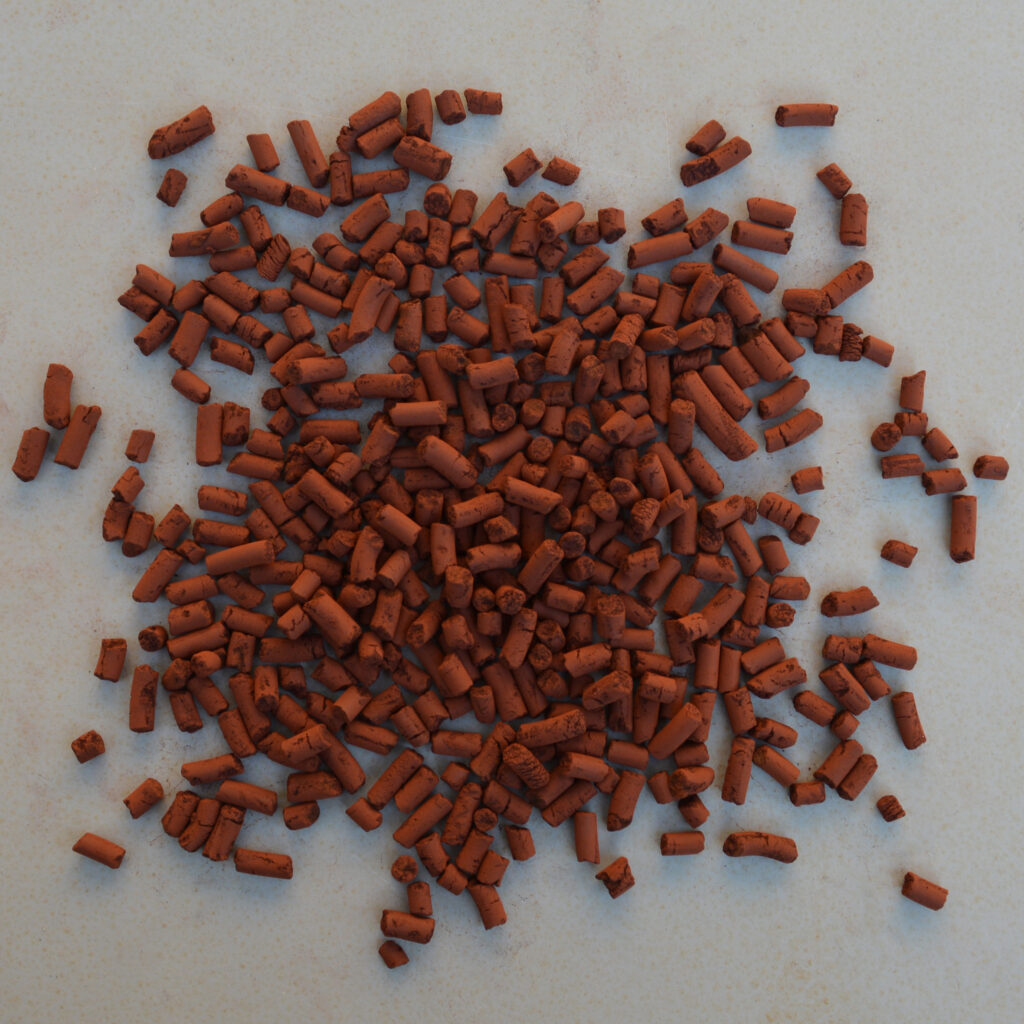

H2S <1 ppm. EASY.
Choosing the best adsorbent for hydrogen sulfide (H2S) removal from natural gas is serious business. The intrinsic corrosivity and extreme health hazards that exist when processing gas streams contain hydrogen sulfide can negatively affect your profitability. Chemical Products Industries Inc. adsorbent, SULFURTRAP® EX, is a proven, cost-effective, environmentally friendly adsorbent for H2S removal that you can count on.
SULFURTRAP® EX is an extended life H2S adsorbent media that removes hydrogen sulfide (H2S) and light mercaptans. Its high sulfur-loading capacity and free-flowing characteristics result in an increased bed life and reduced maintenance and replacement costs. So you get efficient, long-lasting hydrogen sulfide removal from natural gas and biogas processing applications!
Long-Lasting Hydrogen Sulfide(H2S) Removal Adsorbent
Compared to other H2S adsorbents, SULFURTRAP® EX lasts longer. It provides hydrogen sulfide gas removal up to 2-3 times longer than the leading solid scavenger, significantly reducing treating costs. In fact, it is proven around the world to offer the lowest $/lb of sulfur removed and $/Mcf treating cost for low-temperature H2S removal applications. SULFURTRAP® EX operates efficiently in a broad range of conditions, including partial to fully water-saturated gas as well as gas streams with and without oxygen. So, regardless of your gas stream composition, you get consistent spec level H2S removal from biogas and natural gas.
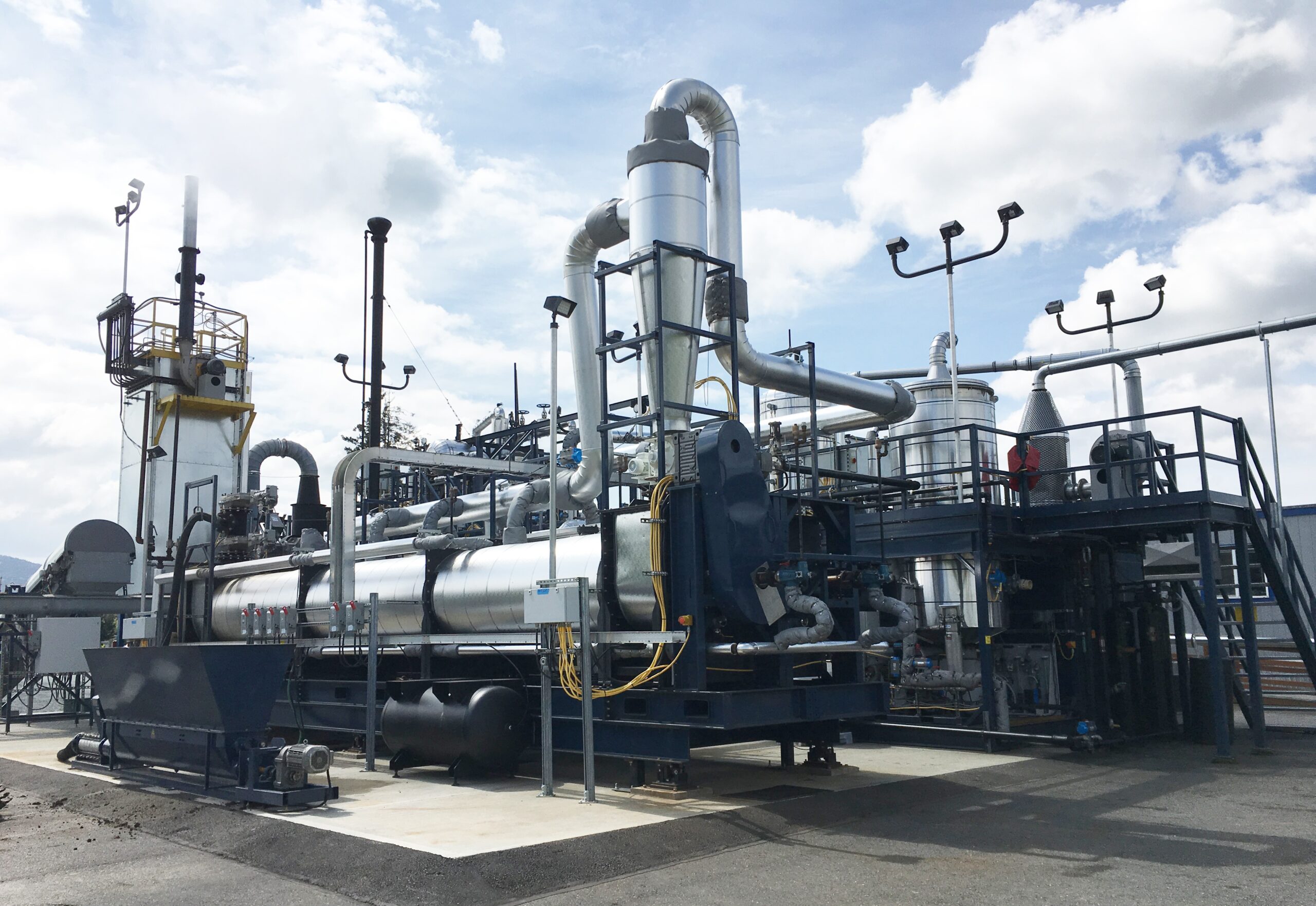
Quicker Change-Outs = Less Maintenance Cost
SULFURTRAP® EX provides hydrogen sulfide gas removal at lower maintenance and replacement costs. Because of its free-flowing characteristics, SULFURTRAP® EX hydrogen sulfide adsorbent, can often be replaced in half the time it takes to replace other solid-based H2S scavenger media. Easy.

H2S Removal Process
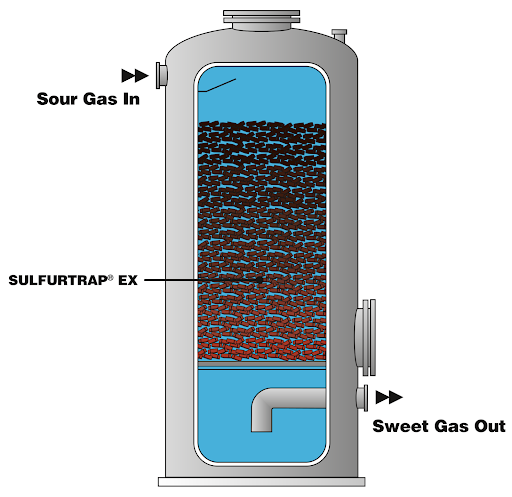
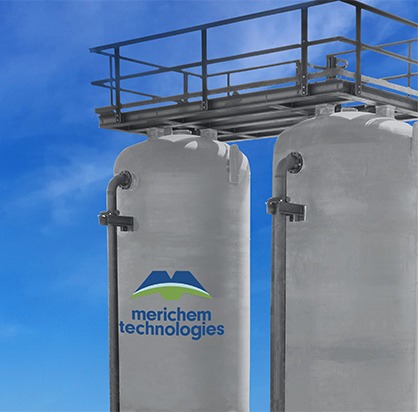
In typical configurations, SULFURTRAP® EX is loaded into a single vertical vessel, a lead-lag vessel configuration or a parallel vessel configuration where gas or vapor flows through the bed. The sulfur compounds chemically react with SULFURTRAP® EX pellets to form a safe, stable, non-hazardous and free-flowing byproduct. Depletion of the SULFURTRAP® EX H2S removal adsorbent occurs gradually from inlet to outlet and is dependent only upon the concentration of hydrogen sulfide and flow rate through the bed. SULFURTRAP® EX works in partially saturated to fully water saturated and aerobic or non-aerobic environments.
What the Industry Is Saying
An Insatiable Appetite for H2S and Light Mercaptan Sulfur Compounds
- Lasts 2-3 times longer than leading competitor
- Easy changeout, minimizes downtime and labor costs
- Lowest $/lb of sulfur and $/MCF treating cost
- Removes both H2S and light Mercaptans
- Easily achieves outlet H2S <1 ppm
- Reliable operation, low-pressure drop
- Effective over a wide range of space velocities
- Effective in anaerobic conditions
- Effective at different humidity levels
- Removes oxygen (O2)
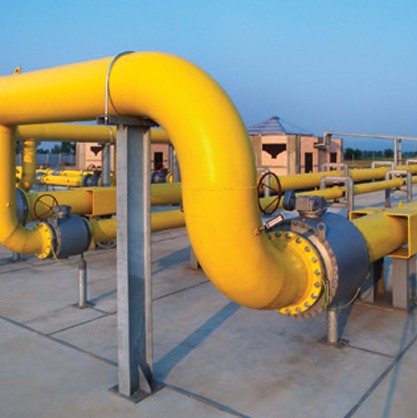
Field Proven H2S Removal For Multiple Industry Applications
SULFURTRAP® EX sulfur removal adsorbent is effective across a wide variety of upstream, midstream and downstream applications.
- Refinery plants
- Wellhead processing
- Offshore production
- Petrochemical plants
- Gas processing plants such as:
- Natural gas
- Biogas
- Syngas
- CO2
- Amine unit acid gas
- LNG, LPG, NGL
- Gas storage
- Gas transportation
- Wastewater treatment
- Odor control

Frequently Asked Questions
What type of scavenger is SULFURTRAP® EX?
SULFURTRAP® EX is an iron based scavenger. It is also referred to as a fixed-bed or solid type scavenger. It is not a liquid scavenger such as triazine, but often can be used in place of liquid scavenger systems.
Is SULFURTRAP® EX the best option for gas phase streams?
Yes. SULFURTRAP® EX physical properties such as surface area, pore structure, and shape have been designed specifically for use in gas phase sulfur removal applications.
Is SULFURTRAP® EX considered a solid adsorbent?
Yes. SULFURTRAP® EX is a solid pellet type material with high sulfur adsorption capacity.
Is SULFURTRAP® EX iron based?
Yes. SULFURTRAP® EX is based upon patented, concentrated iron oxide based chemistry.
Does SULFURTRAP® EX need oxygen or water to work?
No. SULFURTRAP® EX works across a broad range of process conditions from aerobic to anaerobic and from fully saturated to partial saturation to dry conditions.
Is SULFURTRAP® EX classified as hazardous?
No. SULFURTRAP® EX prior to use is classified as non-hazardous. The spent reagent is also generally considered non-hazardous. More details can be found in the SULFURTRAP® EX PDS and SDS.
How do you dispose of used SULFURTRAP® EX?
Due to its general non-hazardous characteristic, SULFURTRAP® EX can be disposed of in landfills following local and state regulations and should be qualified appropriately before final disposal. More details can be found in the SULFURTRAP® EX PDS and SDS.
Why is SULFURTRAP® EX better than other similar products?
SULFURTRAP® EX is unique in its category not only due to the high purity and non-hazardous nature of the raw materials used in its production, but also due to its high flexibility or broad range of usage.
What sulfur contaminants are present in biogas?
Biogas produced by anaerobic digestion of organic raw material can be obtained using various feedstocks (dairy manure, food waste and municipal solid waste). Therefore the gas composition can vary depending on the source, leading to different sulfur contaminants such as hydrogen sulfide, mercaptans and sulfur dioxide.
Why is H2S removed from biogas?
Hydrogen sulfide and water vapor will react during combustion forming corrosive sulfuric acid. Therefore, since a primary application of biogas is for use as a fuel that can be burned like natural gas, corrosive contaminants like H2S must be removed.
What type of H2S adsorbent do I need for biogas purification?
There are different adsorption methods to remove H2S from biogas: solid media, biological scrubbing or chemical scrubbing. Selecting the appropriate one depends on parameters such as flowrate and H2S concentration. In general terms, fixed iron bed solid media, such as SULFURTRAP® , are used for low flow rates and low H2S levels.
What is the best location to install a hydrogen sulfide solid adsorbent system in a biogas plant?
H2S and water are produced during anaerobic digestion, therefore, the gas leaving the digester would be water saturated and this would be the ideal location for an adsorbent such as SULFURTRAP® EX. If the gas is treated downstream of the digester, after the water vapor is removed, then a dry gas adsorbent such as SULFURTRAP® ST1 would be more appropriate.
Direct Support By Merichem Technologies Maximizes Your Investment in Hydrogen Sulfide Gas Removal.
- Technical support staff
- Equipment design and process optimization for new or existing fixed-bed applications
- Operational advice (start-up, unloading, disposal)
- Monitoring
- Bed-life follow-up
- Warranty
For guidance on finding the right solution for your specific H2S and Mercaptan removal needs, please contact our team of industry experts.
Related Products
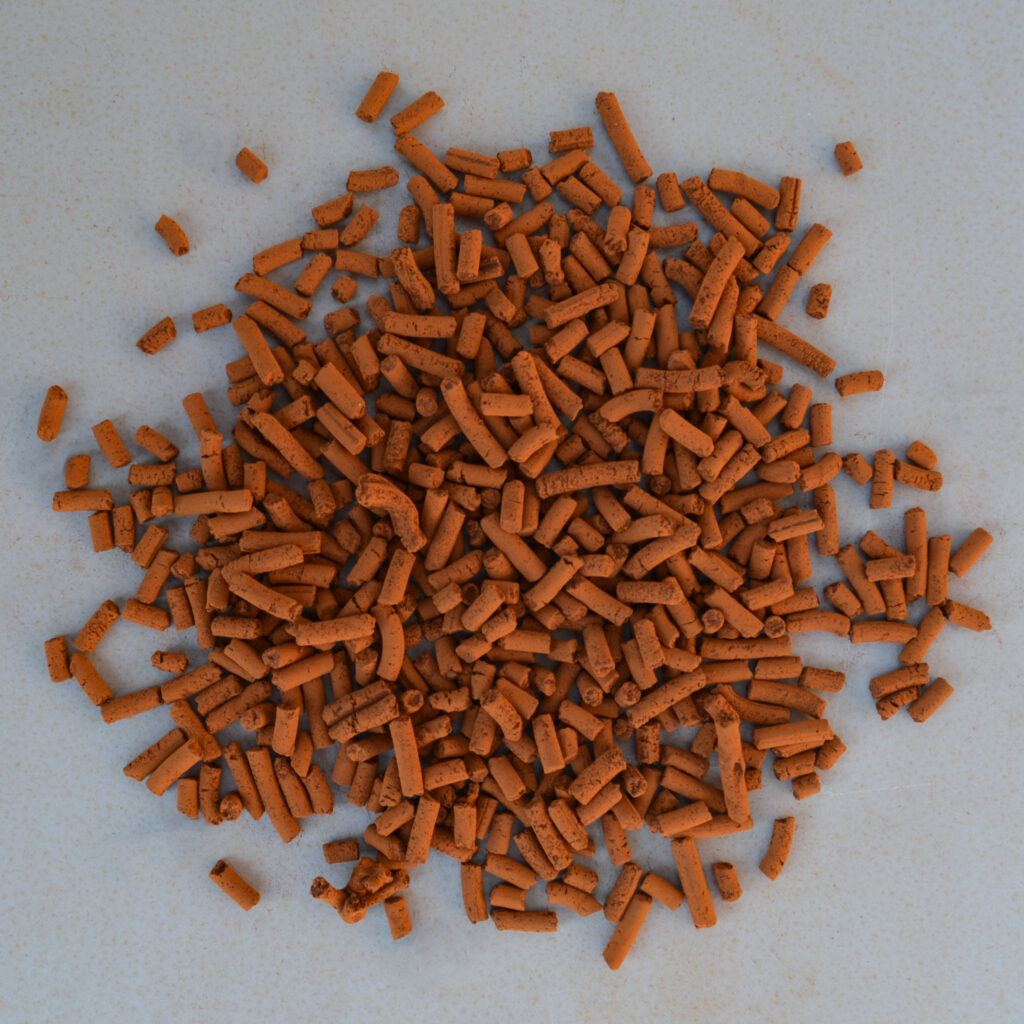
SULFURTRAP® ST1
SULFURTRAP® ST1 is the low-cost solution for effective hydrogen sulfide removal from your gas stream.
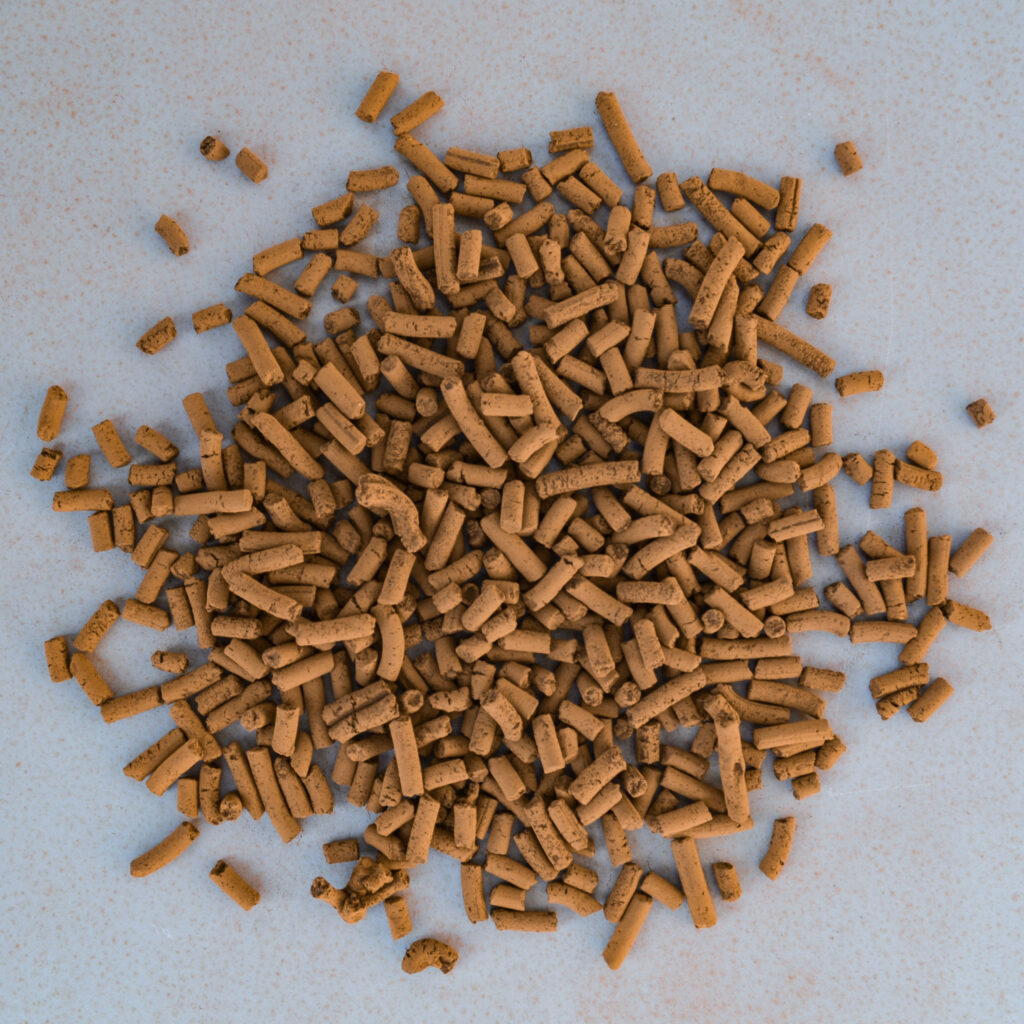
SULFURTRAP® UHC
SULFURTRAP® UHC is the ideal solution for removing hydrogen sulfide (H2S) in demanding industrial environments.
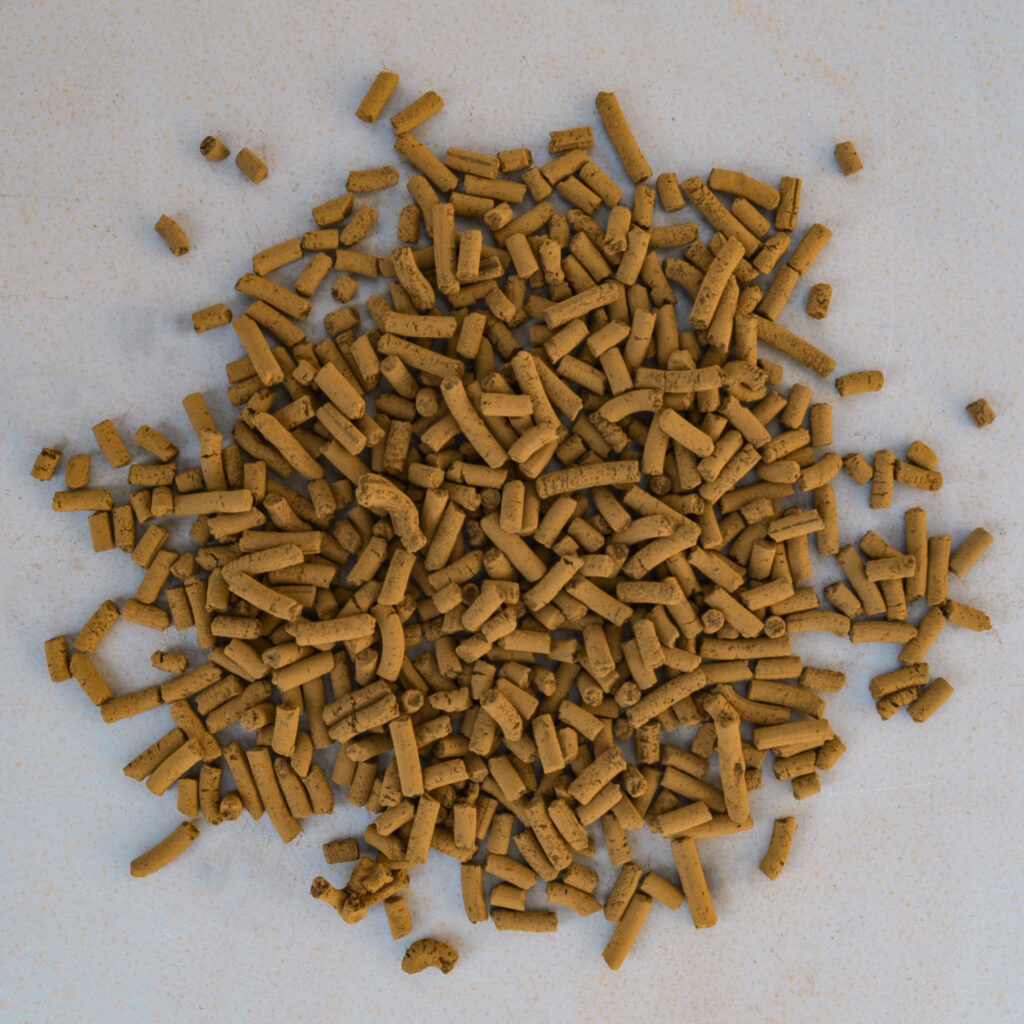
SULFURTRAP® HTD
SULFURTRAP® HTD is a safe and reliable adsorbent that effectively eliminates hydrogen sulfide (H2S) from gas streams in batch processing. Its exceptional performance at mid to high temperatures makes it the ideal choice for demanding applications.
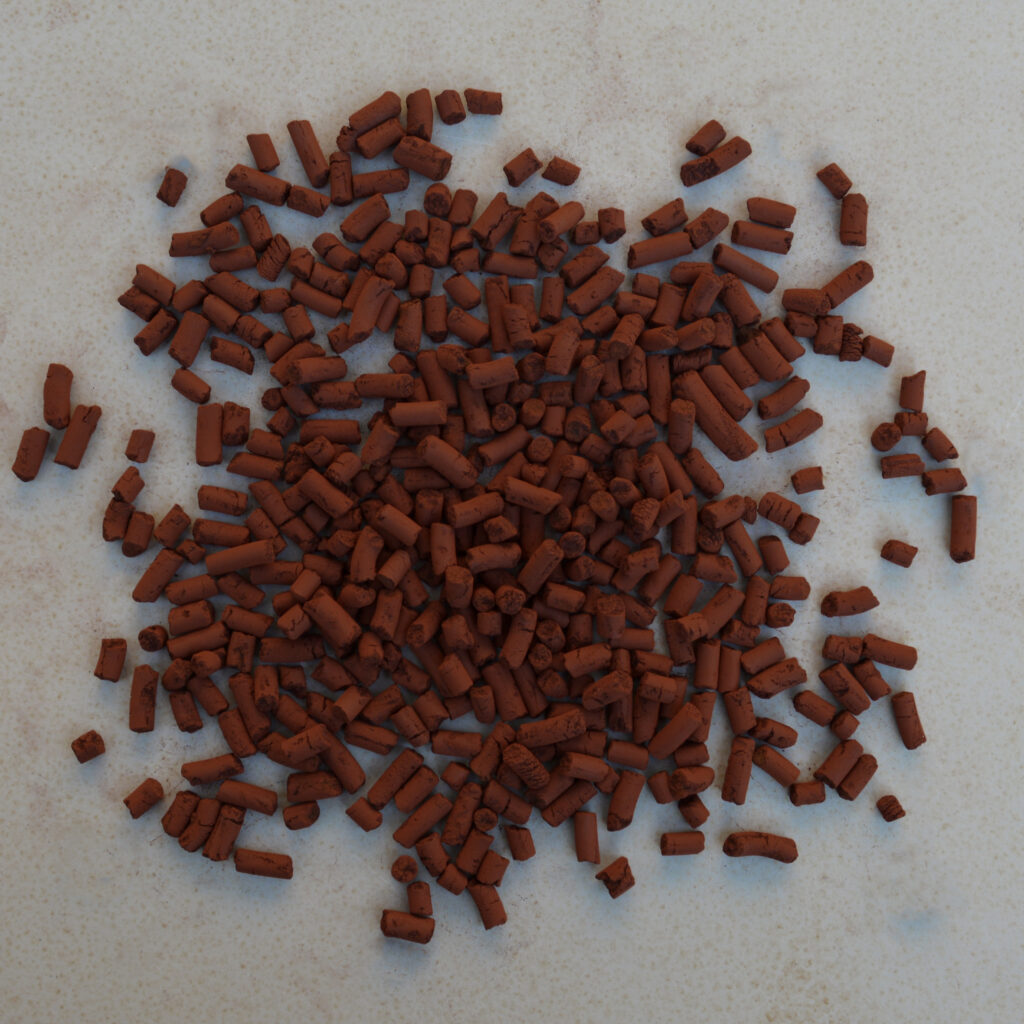
OXYTRAP®
Cost-effective oxygen scavenger for sour gas applications. OxyTrap® fixed bed systems offer low pressure drop and easy change-out. Prevent oxygen related corrosion and amine deterioration.
Vessel Equipment & Accessories
Our range of catalyst and adsorbent bed accessories represents our dedication to helping you achieve industrial efficiency. From consultation to custom fabrication, our solutions are designed with your success in mind.