
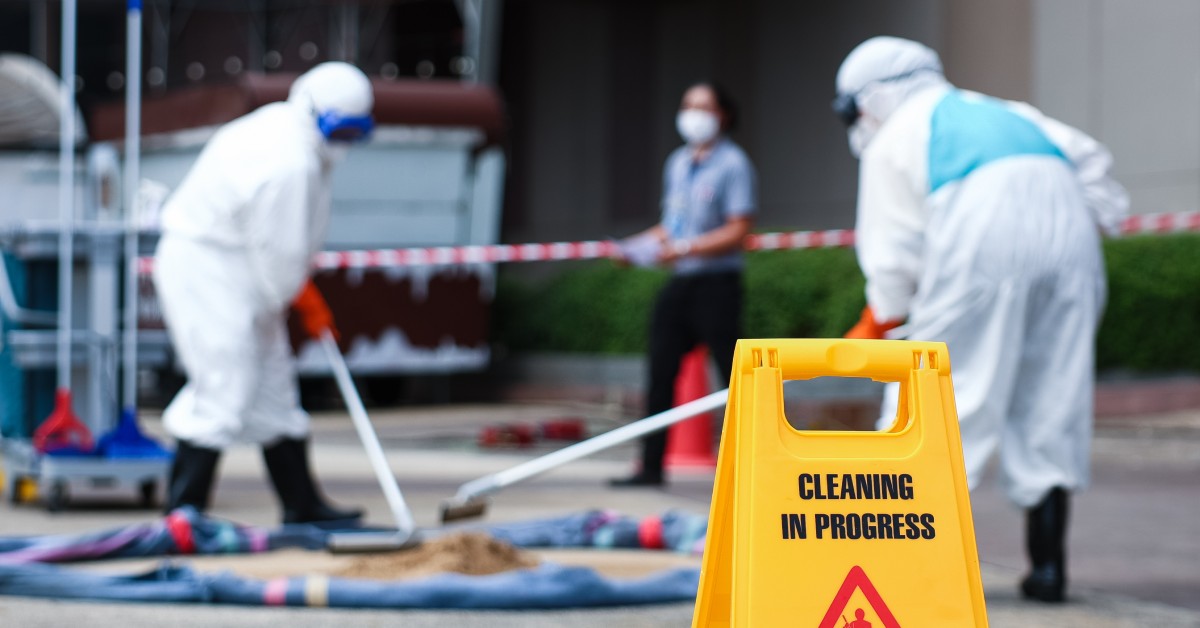
Cleaning up oil spills is no easy feat. With the appropriate materials, you can manage messes safely and responsibly.
Surfactants play an indispensable role in breaking down oil, improving its dispersal, and facilitating the cleanup process. However, all surfactants aren’t the same; choosing a product with an unsuitable formula can hinder cleanup efforts or lead to unintended environmental consequences. This guide will cover how to choose the right surfactant for oil spill cleanup.
What Are Surfactants?
Surfactants or surface active agents are compounds that reduce the surface tension between two substances, such as oil and water. They improve the interaction between these substances, so it’s easier to disperse and remove oil from various surfaces or bodies of water. Surfactants are frequently used in dispersants, which are chemical formulations designed to break oil into smaller droplets.
These materials have two chemical ends: the hydrophilic (water-attracting) end that bonds to water and the hydrophobic (water-repelling) end that bonds to oil. This dual nature allows surfactants to emulsify oil in water, aiding in its breakdown and removal.
The Types of Surfactants
Surfactants can differ in ionic properties. For this reason, surfactant classification generally follows these four categories:
- Nonionic surfactants, with no charge on the hydrophilic head, are indispensable for their mild nature and compatibility with various environments.
- Anionic surfactants contain negatively charged ions. They’re effective in removing oils from surfaces.
- Cationic surfactants contain positively charged ions. They’re usually not ideal for oil spills due to potential environmental risks.
- Amphoteric surfactants possess positive and negative charges, offering flexibility in a range of environmental conditions.
Factors To Consider When Choosing a Surfactant for Oil Spill Cleanup
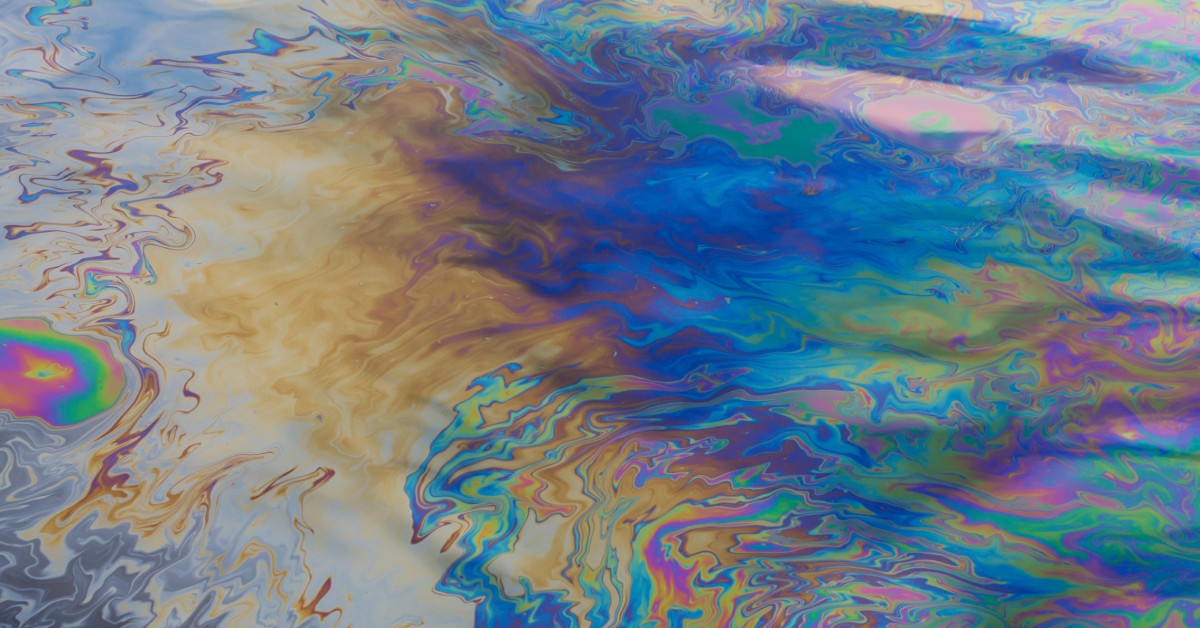
The effectiveness of a surfactant in oil spill cleanup depends on various factors, including the spill type, environmental impact, and cleanup method. Below are key considerations:
The Type of Oil Spilled
Not all oils have the same physical and chemical properties, and these differences influence the choice of surfactants. For instance, light crude oils are typically easier to disperse and require less aggressive formulations. Compare this to heavy oils, which are more viscous and challenging, warranting stronger or specialized surfactants. Understanding the oil’s density, viscosity, and solubility helps in selecting a surfactant that can effectively emulsify the oil.
Environmental Conditions
The environment where the oil spill occurs significantly influences the surfactant decision.
- Temperature affects oil viscosity and surfactant performance. Cold conditions demand surfactants with low-viscosity thresholds.
- Salinity is the presence of salt in water. It can alter how surfactants behave, so consider surfactants designed to perform in high-salinity environments for marine spills.
- pH levels of surfactants should align with the local environment to perform effectively.
Biodegradability
Oil spill cleanup efforts must prioritize minimizing long-term environmental harm. Surfactants intended for such tasks should ideally be biodegradable, meaning they break down naturally without leaving harmful residues. Using eco-friendly surfactants is the safe option for protecting aquatic life and ecosystems.
Toxicity
While effective cleanup is the goal, the surfactant you choose should not introduce new hazards, like hydrogen sulfide (H2S) or carbon dioxide (CO2), to the affected area. Low-toxicity surfactants are ideal for mitigating the risk of new dangers, especially when dealing with spills in ecologically sensitive regions or near water sources used by humans and wildlife.
Dispersant-Surfactant Compatibility
Many surfactants are components of dispersant formulations. Evaluating the compatibility and synergy of the selected surfactant with the dispersant ensures effective cleanup outcomes. Trial tests or simulations can help determine suitability before wide-scale application.
Application Method
One part of choosing the right surfactant for oil spill cleanup is tailoring the surfactant to the application method. Different application techniques may favor certain surfactants. For instance, consider direct application for spills on solid surfaces, which require sufficient detergent and a wetting action.
Comparatively, spraying may suit large-scale oil dispersion in open water that requires efficient dispersal at low dosages. Underwater spills, however, need enhanced mixing capabilities, which you can deliver through surfactant injections into water columns.
Common Challenges in Surfactant Selection
Selecting the appropriate surfactant doesn’t come without its challenges. Here are some common pitfalls and strategies to address them.
Compatibility With Local Regulations
Regulatory frameworks commonly dictate what chemicals professionals can and cannot use in remediation efforts. Many countries have strict guidelines about the toxicity and biodegradability of dispersants. Always consult local environmental authorities to verify compliance with relevant laws and restrictions.
Balance Effectiveness and Environmental Safety
Highly effective surfactants can sometimes pose environmental risks, depending on their chemical makeup. Striking the right balance between cleanup efficacy and safety ensures responsible application. Conducting field tests or consulting environmental chemists can offer critical insights.
Availability and Cost
Not all surfactants are widely available or affordable, especially those tailored for special conditions. During crisis management, procurement delays or high costs can hinder operations. Working with trusted chemical suppliers ensures access to the appropriate surfactants when needed.
Handle Weathered Oil
Weathered oil is oil that has undergone environmental aging due to sunlight, heat, or oxidation. This type of oil spill might require stronger or specialized surfactants capable of breaking down hardened oil links.
Best Practices When Using Surfactants for Oil Spill Cleanup
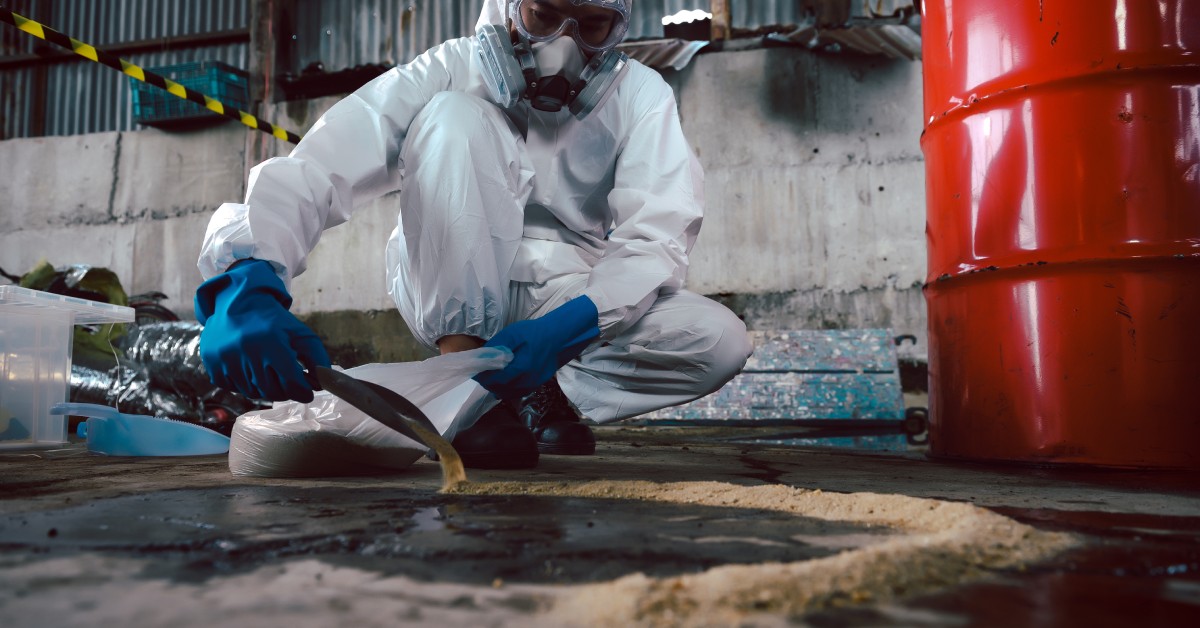
To ensure the success of oil spill cleanup efforts, begin with pretesting and evaluation. Before applying surfactants at scale, conduct small-scale tests to evaluate performance. This includes evaluating the surfactant’s:
- Ability to mix efficiently with local water types.
- Effectiveness in breaking down oil droplets.
- Environmental compatibility.
Also, be sure to follow manufacturer guidelines to maximize effectiveness since different surfactants require precise handling, mixing ratios, and application techniques. Furthermore, monitor cleanup progress. Continuous assessment helps identify if adjustments in surfactant type or quantity are necessary, which ensures resource optimization and minimizes cleanup times.
Collaborate With Experts
Environmental chemists, engineers, and regulatory authorities can provide valuable insights for every stage of the process, from selection to execution. Leveraging expert advice improves decision-making and fosters compliance with industry standards.
Selecting Trusted Suppliers
Reliable manufacturers of biodegradable surfactants effective at oil spill cleanup also offer technical support throughout the cleanup process. When evaluating potential suppliers, consider:
- Product range and availability.
- Industry reputation and track record in oil spill response.
- Willingness to provide documentation on surfactant safety, toxicity, and biodegradability.
The Future of Surfactants in Oil Spill Cleanup
The demand for safer and more effective surfactants grows as environmental awareness increases. Innovations are steering the development of greener alternatives tailored to each spill scenario.
Biobased and enzyme-enhanced surfactants, for instance, are gaining traction for their ability to limit ecological harm while maintaining performance. By staying informed about advances in surfactant technology, you can align with the latest solutions.
Choosing the right surfactant for oil spill cleanup is not just about identifying what works but also about understanding how it interacts with the surrounding environment. By prioritizing biodegradable, low-toxicity surfactants and adhering to best practices, cleanup efforts can be effective and responsible. Collaborating with trusted suppliers and consulting with experts further ensures sound choices, allowing you to manage spills efficiently while protecting ecosystems.