
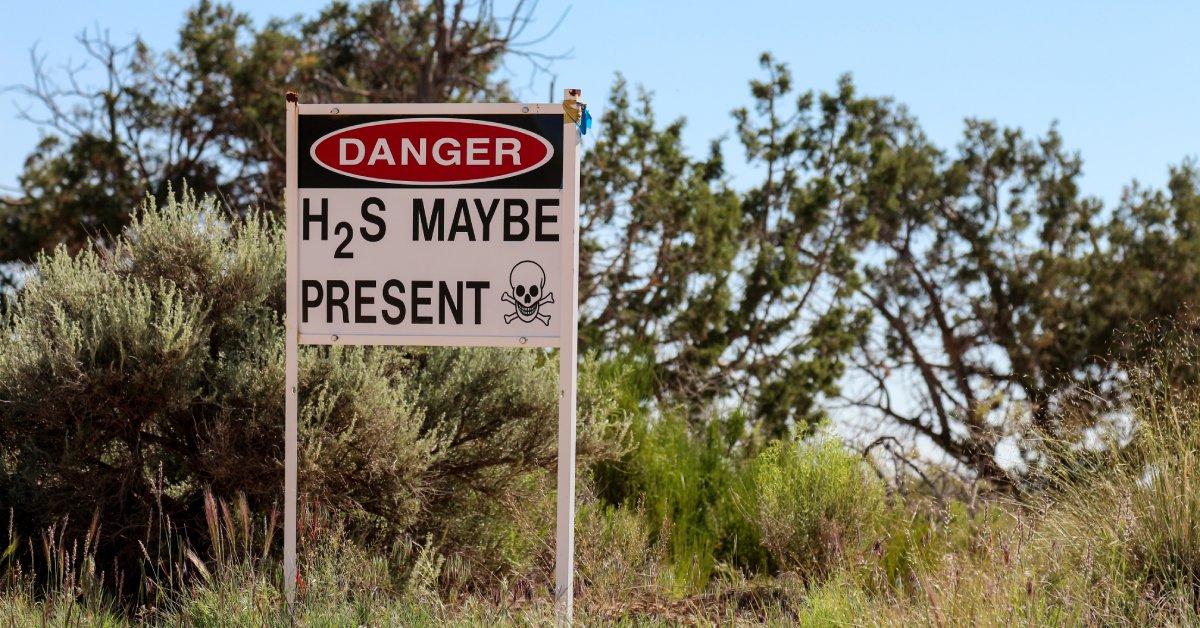
Hydrogen sulfide (H₂S) is a hazardous gas found in many industrial environments, including oil refineries, sewage plants, and chemical manufacturing facilities. Proper monitoring of H₂S levels is necessary for protecting workers’ health and safety and the surrounding environment. Take a closer look at the following best practices for monitoring H₂S levels in industrial settings to maintain a safe workplace and support the environment.
Understanding H₂S and Its Risks
H₂S is colorless and highly toxic, with a characteristic smell of rotten eggs at low concentrations. It occurs naturally in crude oil, volcanic gases, and hot springs, and is a byproduct of industrial activities such as petroleum refining and wastewater treatment. Effective monitoring of gas levels begins with full awareness of its characteristics and associated dangers.
Why H₂S Monitoring Is Necessary
H₂S exposure can have severe health effects, including eye and throat irritation and respiratory failure at higher concentrations. Prolonged or high-level exposure can result in unconsciousness and fatalities. Industrial incidents caused by undetected H₂S leaks can also cause significant regulatory fines and production disruptions.
Common Industrial Scenarios Requiring Monitoring
Certain processes, such as drilling, waste treatment, and chemical production, regularly produce H₂S. H₂S can accumulate quickly and without warning in confined spaces, such as tanks and pipelines. For this reason, closely watching the presence of this gas in these areas and applications is a must.
Setting Up Reliable Monitoring Systems
The effectiveness of H₂S monitoring depends on the reliability of the equipment and systems in use. From selecting the right sensors to choosing the optimal locations, careful planning is vital.
Selecting the Right Detectors
Industrial H₂S monitoring typically relies on fixed or portable detectors. It’s common to install fixed detectors in known high-risk areas.
Portable detectors, on the other hand, allow workers to perceive H₂S levels as they move through a facility. More advanced options, such as multi-gas detectors, can track other dangerous gases, including carbon monoxide, in addition to H₂S.
Strategically Placing Sensors
Positioning sensors correctly enhances their ability to detect H₂S before it reaches dangerous levels. Install sensors at points where leaks are likely, such as near pipelines, storage tanks, or valves. Since H₂S is heavier than air, it’s best to place sensors near ground level for accurate detection.
Establishing Monitoring Protocols

Establishing consistent procedures ensures comprehensive H₂S monitoring. Protocols can help standardize assessments, guide responses to alarms, and integrate monitoring with safety goals.
Calibrating Equipment Regularly
H₂S detectors need regular calibration to maintain their accuracy. Over time, sensors can experience “drift,” where their readings become unreliable. Manufacturers typically provide guidelines on how frequently calibration should occur, often on a monthly or quarterly basis.
Implementing Daily Checks
Daily equipment checks confirm that monitoring systems function as expected and reduce the chances of missed detections due to equipment failure. Workers can inspect detector batteries, check for physical damage, and verify settings.
Utilizing Sulfur Removal Adsorbents
Sulfur removal adsorbents serve as an additional layer of safety in managing H₂S levels. These materials are highly effective at reducing sulfur-based gases by chemically binding and removing them from the environment.
How Sulfur Removal Adsorbents Work
A sulfur adsorbent is a specialized material designed to target and eliminate H₂S. These adsorbents, often made from activated carbon or proprietary chemical compounds, work by trapping and neutralizing H₂S as air or gas flows through them. This process helps lower airborne H₂S levels, contributing to a healthier work atmosphere.
Benefits of Sulfur Removal Adsorbents
The use of these adsorbents reduces the concentration of H₂S and helps extend the lifespan of machinery and monitoring equipment by minimizing corrosion caused by sulfur gases. Implementing a dependable adsorbent supplied by a reputable provider of sulfur removal tools can contribute to smoother operations and an enhanced hydrogen sulfide management strategy.
Training Employees in H₂S Awareness
No monitoring system is complete without trained personnel who know how to interpret data, respond to alarms, and protect themselves in hazardous situations. Making sure you have a well-informed workforce is one of the most important best practices for monitoring H₂S levels in industrial settings.
Training should begin with the basics, such as identifying H₂S risks and symptoms of exposure, including dizziness, coughing, or disorientation. Employees also need to know safe exposure limits, such as those set by the Occupational Safety and Health Administration or local regulatory agencies.
Practicing Emergency Response Drills

Periodic drills prepare workers to react appropriately upon detecting H₂S. Realistic drills build confidence and reduce panic in true emergency scenarios. For this reason, these exercises should simulate real incidents and focus on helping employees practice evacuations, donning personal protective equipment (PPE), and using portable monitors effectively.
Meeting Regulatory Compliance Standards
Government and industry regulations set strict standards for monitoring hazardous gases. Adhering to these regulations helps industrial facilities remain compliant and avoid legal repercussions.
Understanding Guidelines
OSHA, the National Institute for Occupational Safety and Health (NIOSH), and other agencies provide exposure limits and guidelines on workplace safety concerning H₂S. Familiarity with these standards ensures monitoring practices meet the required thresholds.
Documenting Monitoring Activities
Accurate recordkeeping demonstrates compliance with safety standards. Facilities should document sensor readings, maintenance schedules, and incident response actions. Well-maintained records aid inspections and help identify trends that could improve future monitoring practices.
Addressing Challenges in Monitoring
Despite the availability of advanced detectors and strategies, certain challenges affect H₂S monitoring programs. Being proactive about these issues ensures continuous improvement.
Managing Detector Interferences
Interferences from other gases or environmental conditions, such as high humidity, may affect sensor accuracy. Choosing high-quality detectors that feature interference-resistant technology can mitigate this issue.
Responding to Alarm Fatigue
Employees desensitized to frequent false alarms may begin responding insufficiently and belatedly to real threats. To combat this, calibrate detectors thoroughly to reduce false alarms, and train employees to treat every alarm seriously.
Building a Culture of Safety
Creating a culture that puts safety first reinforces adherence to best practices and improves overall H₂S monitoring outcomes.
Encouraging Open Communication
Workers should feel confident reporting safety issues or asking questions about H₂S monitoring practices. Open communication fosters a collaborative space where everyone prioritizes collective well-being.
Rewarding Safety Compliance
Recognizing employees who consistently follow safety practices can encourage others to do the same. Simple rewards, such as certificates or public acknowledgment, contribute to a strong safety culture.
Monitoring H₂S levels in industrial settings requires a combination of reliable technology, robust protocols, and a workforce committed to safety. From calibration routines to employee training and predictive analytics, each element plays a role in minimizing risks and protecting workers and operations. By following these best practices, industrial facilities can maintain safer working environments while meeting regulatory requirements effectively.