
Hydrogen sulfide (H2S) poses a challenge in the manufacturing, oil and gas, and water treatment industries. Mitigating its toxic effects often involves using H2S scavengers.
The effectiveness of these scavengers depends on environmental factors, particularly humidity. Understanding how humidity affects H2S scavenger performance can support efficient operations.
The Role of Humidity in Chemical Processes
Humidity, a measure of the water vapor present in the air or a gas stream, influences chemical reactivity in numerous ways. When it comes to H2S scavengers, this variable can make or break their performance by altering reaction rates, product formulation, and system stability.
Moisture Content and H2S Adsorption
The presence of water in the environment affects how H2S scavengers bond with hydrogen sulfide molecules. Some scavenger formulations rely on moisture for activation or reactivity, while others may see diminished performance in overly humid conditions. The relationship is far from linear, as both excess and insufficient humidity can impede adsorption efficiency.
Reaction Kinetics Under Different Humidity Levels
Humidity levels directly affect how fast or slow scavenger reactions occur. High moisture can enhance reaction dynamics for some scavenger types, while others may experience reduced efficiency due to dilution or over-saturation in the reaction medium.
Types of H2S Scavengers and Their Sensitivity to Humidity
H2S scavengers come in various forms, each with unique characteristics and reactions to humidity. Choosing the right type of scavenger from a leading manufacturer of reputable H2S treatment solutions for a given application depends on understanding these nuances.
Liquid Scavengers
Liquid scavengers are among the most common solutions for H2S removal. Their performance generally improves in environments with moderate humidity because water acts as a conduit for chemical reactions. Still, overly humid conditions can dilute the scavenger concentration, reducing its ability to bind with H2S effectively.
Liquid scavengers often work better when some residual moisture is present, as it aids in dissolving H2S gas into the liquid phase. If the system becomes saturated with water, the effectiveness of active scavenger components decreases, potentially requiring a higher dosage.
Solid Scavengers
Solid scavengers, common in applications where liquid chemicals are impractical, have a different reaction to humidity. These materials remove H2S through adsorption or chemical reaction on the surface of the solid granules.
The porous nature of many solid scavengers means that they can perform well in low to moderate-humidity settings where water vapor maintains surface activity. Excessive humidity can lead to clogging or fouling of pores, preventing H2S from making contact with active scavenger sites.
Hybrid Scavengers
Some advanced scavengers combine liquid and solid technologies, promising flexibility across varying humidity levels. While hybrid scavengers aim to be less sensitive to moisture changes, they may encounter efficiency drops under extreme conditions.
Effects of High Humidity on Scavenger Performance
High-humidity environments often challenge the performance of H2S scavengers, impacting their chemical efficacy and physical behavior. Take a closer look at the ways excessive moisture can influence scavenger operations.
Dilution of Active Components
High humidity increases the water content in liquid scavenger solutions, which can dilute active chemicals. This dilution reduces their capacity to react with H2S, requiring higher doses of scavenger to achieve the same result. For solid scavengers, excessive moisture can lead to surface erosion, limiting their adsorption capacity over time.
Formation of Byproducts
When reacting with H2S, scavengers sometimes produce byproducts in the presence of water. High humidity accelerates this process, leading to unwanted residues that can compromise equipment and efficiency. For instance, in systems using triazine-based scavengers, excessive moisture may heighten the risk of producing sticky, hard-to-remove solids.
Corrosion Risks
Excessive humidity elevates the risk of corrosion in pipelines and other equipment upon scavenger application. This is especially problematic in sour gas applications because the combination of H2S, oxygen, and water can create highly corrosive conditions. Scavenger formulations must account for these factors to prevent operational downtime.
Effects of Low Humidity on Scavenger Performance
There are differences in how humidity affects H2S scavenger performance when the levels are low. Extremely dry conditions can reduce the availability of water required for chemical reactions or alter the effectiveness of absorption processes.
Reduced Reaction Efficiency
Some H2S scavenger formulations require a minimum level of moisture to function properly. For example, in the absence of sufficient humidity, liquid scavengers may struggle to solubilize H2S gas. This results in slower reaction times and less effective removal.
Dehydration of Scavenger Systems
Dry conditions can also impact the stability of certain scavenger materials. For instance, solid scavengers may experience cracking or develop reduced porosity in low-humidity settings. This impairs their performance and limits operational lifespan.
Balancing Humidity for Optimal Scavenger Use
Given the complex relationship between humidity and H2S scavenger performance, finding the right balance is essential for success. Operators can take several approaches to mitigate the effects of extreme moisture conditions and enhance efficiency.
Monitoring Humidity Levels
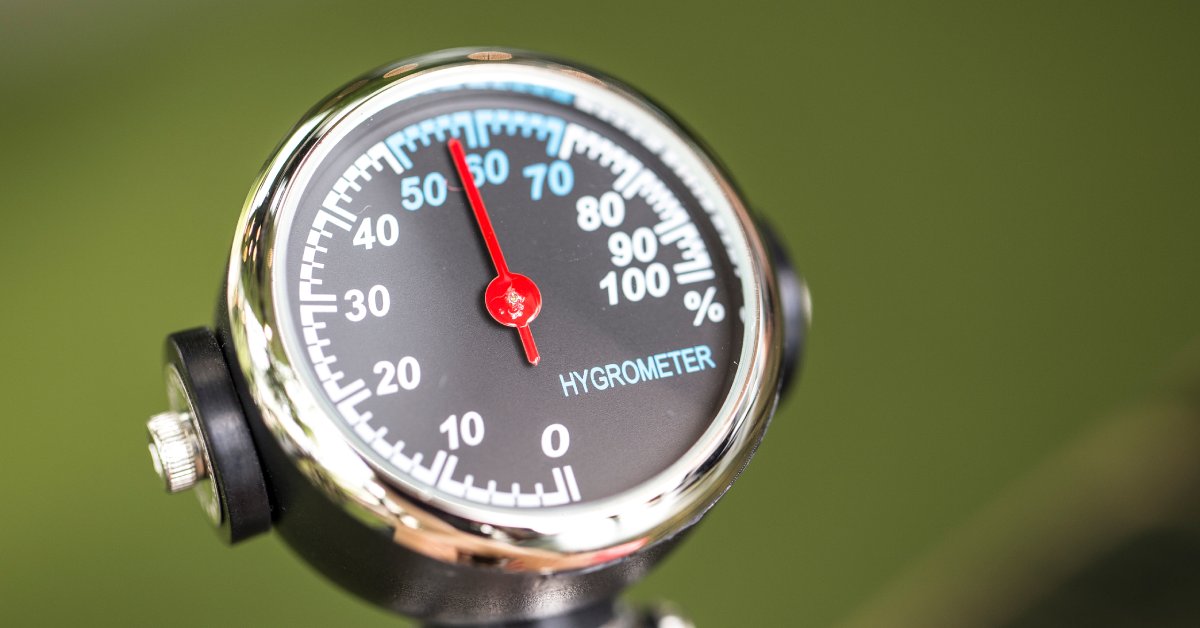
Regular monitoring of humidity within facilities or pipelines guarantees that conditions remain within the optimal range for scavenger performance. Sensors and data loggers can provide real-time feedback, enabling operators to make informed adjustments.
Adjusting Scavenger Dosing
Adapting scavenger dosage based on prevailing humidity levels is another way to maintain efficiency. Both under-dosing and over-dosing can lead to inefficiencies.
Implementing Dehumidification Systems
Dehumidification systems can reduce moisture in environments where high humidity consistently hampers performance. These systems create controlled conditions, protecting the scavenger and the equipment from moisture-related issues.
Using Humidity-Tolerant Scavengers
Advances in scavenger technology contribute to the development of formulations designed to perform consistently across fluctuating humidity levels. Choosing products that suit specific operating conditions can minimize the impact of environmental variability.
The Broader Implications of Humidity Control
Many industries, including oil and gas, are subject to stringent limits on H2S concentrations. By addressing humidity-related challenges, you can achieve more reliable and thorough H2S removal, reducing the likelihood of gas leaks or system failures.
Ensuring that scavenger systems function efficiently regardless of ambient moisture conditions helps you remain compliant while avoiding penalties or downtime.
Pipeline Gas Treatment
Using a triazine-based liquid scavenger may decrease H2S removal during monsoon season due to excessive humidity. By adjusting dosing rates and adding a dehumidifier, the operator can restore performance to baseline levels.
Sulfur Recovery Unit
Consider a different operation utilizing solid scavengers in a dry environment. Additional water vapor injections can improve surface activity and enhance efficiency.
These cases underscore the importance of tailoring scavenger systems to specific humidity conditions for optimal results. Monitoring conditions, adjusting dosing, and selecting appropriate scavenger formulations support teams in maintaining effective H2S control in humid environments.