
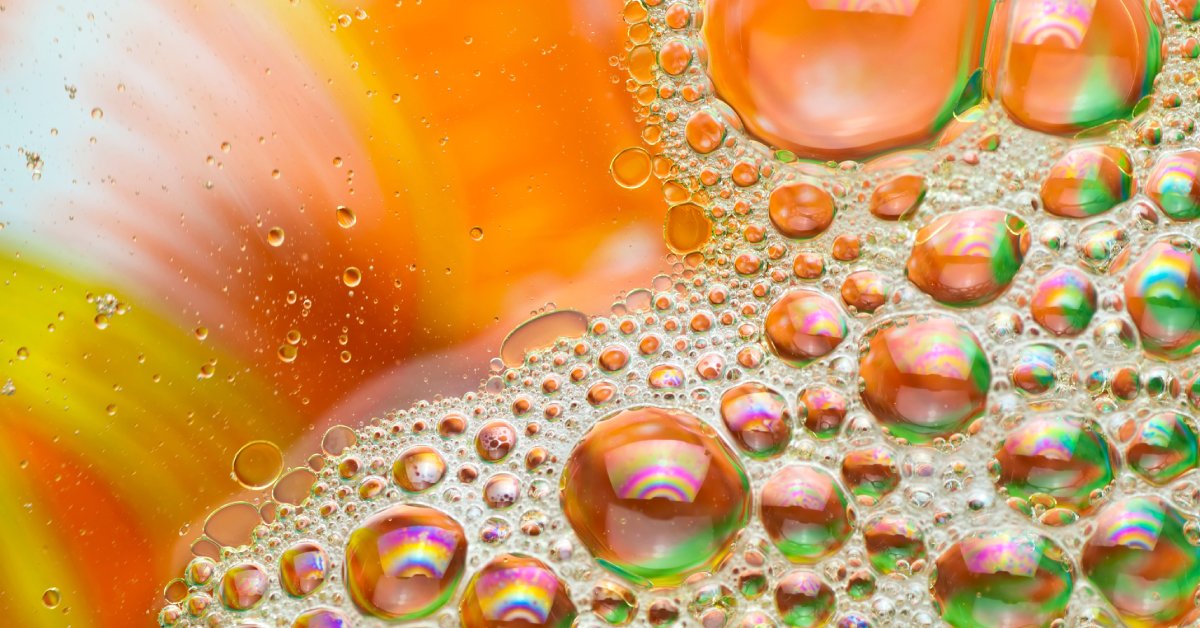
Surfactants are indispensable in many sectors because they lend themselves to various applications, from facilitating foam formation or suppression to breaking down grease and oil. This versatility results from advanced chemistry and is a testament to the resourcefulness of applied science.
To understand the role of surfactants in breaking down grease and oil, we must explore their properties and how they interact with these substances. You’ll find that the chemistry behind surfactants allows them to effectively simplify time-intensive tasks and promote efficiency in household cleaning and large-scale industrial processes alike.
The Basics of Surfactants
A surfactant, short for a surface-active agent, is a compound that decreases surface tension between two liquids or between a liquid and a solid. This property allows it to act as a mediator at the interface of substances that would otherwise resist mixing, such as oil and water.
Surfactants’ Chemical Composition
A surfactant’s chemical structure is what gives it its unique properties. Each molecule consists of a hydrophilic (water-attracting) head and a hydrophobic (water-repelling, oil-attracting) tail. This dual nature allows surfactants to form structures called micelles when introduced into a solution.
The hydrophobic tails within these micelles surround and trap grease and oil, while the hydrophilic heads face outward, interacting with water. This mechanism makes it possible to lift stubborn greases and oils from surfaces, suspending them in water for easy removal.
How Surfactants Interact With Grease and Oil
Breaking down grease and oil involves overcoming their resistance to water, a phenomenon known as immiscibility. Grease and oil consist primarily of nonpolar molecules, making them incompatible with water, which is polar.
Surfactants bridge this divide through their amphiphilic nature. When applied to a greasy or oily surface, surfactants interact with the nonpolar molecules via their hydrophobic tails. Through this interaction, surfactants disrupt the cohesive forces within grease or oil and break them into smaller, more manageable particles.
Once broken down, the smaller oil or grease particles become encapsulated within the surfactant micelles. This encapsulation prevents re-deposition onto surfaces, allowing water to rinse away the grease and oil. The effectiveness of this process depends on several factors, including the concentration of surfactants, temperature, and the nature of the surface pollutants.
Applications Across Industries

The practical implementation of surfactants extends across numerous industries. Each use case harnesses its properties to address specific challenges.
Cleaning and Detergents
One of the most familiar applications of surfactants is in cleaning products. Whether it’s cleaning dishes, laundering clothes, or degreasing machinery, surfactants are at the core of modern detergents.
Their formulations target a diverse range of substances, from light surface oils to heavy industrial grime. For example, household dishwashing liquids contain surfactants that break down oils and fats common in food residue, leaving dishes grease-free after washing.
However, industrial cleaning processes require more robust surfactants. For example, factories and workshops need a non-ionic surfactant cleaner formulated to have high detergency and oil-in-water emulsifying power.
With such a solution, industrial professionals can clean oil-soaked tools, degrease equipment, and maintain hygiene standards. Without surfactants, these tasks would demand far greater effort and resources, making them less efficient and more time-consuming.
Environmental Management
Environmental remediation is another critical area that relies on surfactant application. For example, oil spills pose a significant threat to marine ecosystems and require quick, effective intervention.
Surfactants aid oil spill cleanup by dispersing the oil into smaller droplets, which microorganisms can then biodegrade. Without surfactants, cleaning oil spills would be a monumental challenge, leaving lasting damage to aquatic life and shorelines.
Additionally, the use of surfactant is common in soil remediation to treat areas contaminated by petroleum-based substances. By emulsifying oil residues trapped in soil particles, surfactants enable the recovery or safe disposal of pollutants, thus restoring land to its original condition.
Food Processing
Surfactants’ role in breaking down grease and oil proves useful in the food industry. Professionals in this sector use them for cleaning grease-laden equipment and stabilizing emulsions in food products.
Food-grade variety surfactants act as emulsifying agents in the production of items such as mayonnaise, ice cream, and salad dressings, ensuring consistency and preventing the separation of oil and water-based components.
For cleaning purposes, surfactants facilitate the removal of stubborn food fats and oils from processing equipment, reducing downtime and improving operational hygiene. Given the industry’s strict regulatory standards, surfactants must be safe for use in food preparation areas.
Pharmaceuticals and Cosmetics
Pharmaceutical and cosmetic formulations also rely on surfactants for various purposes. In skin care products, surfactants help break down oils, makeup, and debris on the skin’s surface.
Surfactants in shampoos and conditioners emulsify oily dirt and distribute active ingredients evenly. Similarly, they enhance the solubility of pharmaceutical drugs, especially for formulations targeting oil-soluble compounds, making medications more effective and easier to administer.
Oil and Gas Industry
The oil and gas sector utilizes surfactants for enhanced oil recovery (EOR) techniques. Here, surfactants reduce the interfacial tension between water and oil trapped in reservoir rocks, enabling the extraction of additional reserves that are otherwise inaccessible through conventional drilling. This feature makes surfactants a valuable component in maximizing resource efficiency in energy production.
Environmental Considerations and Challenges
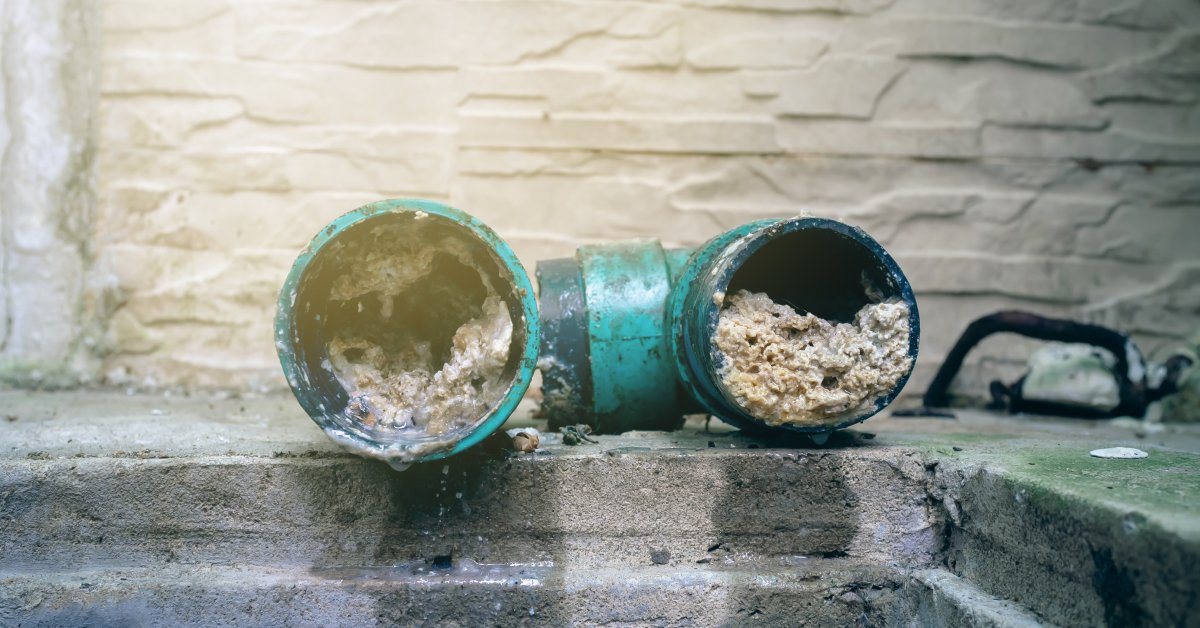
While surfactants offer immense utility, they also pose environmental challenges if not carefully managed. Traditional surfactants, especially those derived from petroleum-based sources, can contribute to water pollution. Non-biodegradable surfactants persist in ecosystems, affecting aquatic life by disrupting biological membranes and causing toxicity.
Therefore, industries are increasingly turning to biodegradable and plant-based surfactants to mitigate these concerns. Green chemistry advancements contributed to the development of alternatives derived from renewable resources, ensuring effective cleaning and oil dispersion without harming the environment. Another important focus is phosphate reduction in surfactant formulations, particularly in detergents, as phosphates contribute to water eutrophication.
The Future of Surfactants
The future of surfactants lies in balancing efficacy with sustainability. Researchers are exploring more efficient formulations that require less water and lower energy inputs. Such innovations aim to reduce the environmental footprint of surfactant-based processes while maintaining or improving performance.
Nanotechnology also presents exciting opportunities for developing next-generation surfactants. Scientists aim to create compounds with enhanced properties, such as greater oil-capturing capacity and improved biodegradability, by manipulating surfactant molecules at the nanoscale.
The science of surfactants illustrates how chemical ingenuity can solve persistent challenges, including grease and oil removal. Still, with great power comes the responsibility to ensure surfactant use remains aligned with environmental stewardship. Continuing to innovate and adopt sustainable practices makes it possible to harness the benefits of surfactants while safeguarding our ecosystems.