
Surfactants play an integral role in countless products we use every day, from laundry detergents to personal care items. Increasing concerns about environmental impact and sustainability put the biodegradability of these essentials into focus.
But what are the five key features that make a surfactant biodegradable? Examine the characteristics surfactants must possess to break down efficiently in the environment, while maintaining their effectiveness in various industrial and consumer applications.
What Does It Mean for a Surfactant to Be Biodegradable?
A biodegradable surfactant is one that can break down into simpler substances through natural processes involving microorganisms, such as bacteria and fungi. Water and carbon dioxide are two examples. This breakdown minimizes the potential for environmental pollution, as the degraded substances do not linger in soil, water, or ecosystems.
Ready or Inherent Biodegradability
Some surfactants may receive the classification of being readily biodegradable. This term means that the substance can break down quickly in aerobic (with oxygen) and anaerobic (without oxygen) conditions. However, inherently biodegradable surfactants may take longer to degrade but still ultimately break down into non-toxic substances. Several important parameters influence the biodegradability of surfactants in aerobic and anaerobic conditions, including the following:
- The surfactant’s chemical structure
- Environmental factors, such as temperature and pH
- The presence of specific microorganisms that can break down the compounds
These factors collectively determine the rate and efficiency of degradation. This emphasizes the importance of designing surfactants that align with favorable environmental and biological conditions. Manufacturers can achieve ready or inherent biodegradability by considering the following five features.
1. Chemical Composition and Molecular Structure
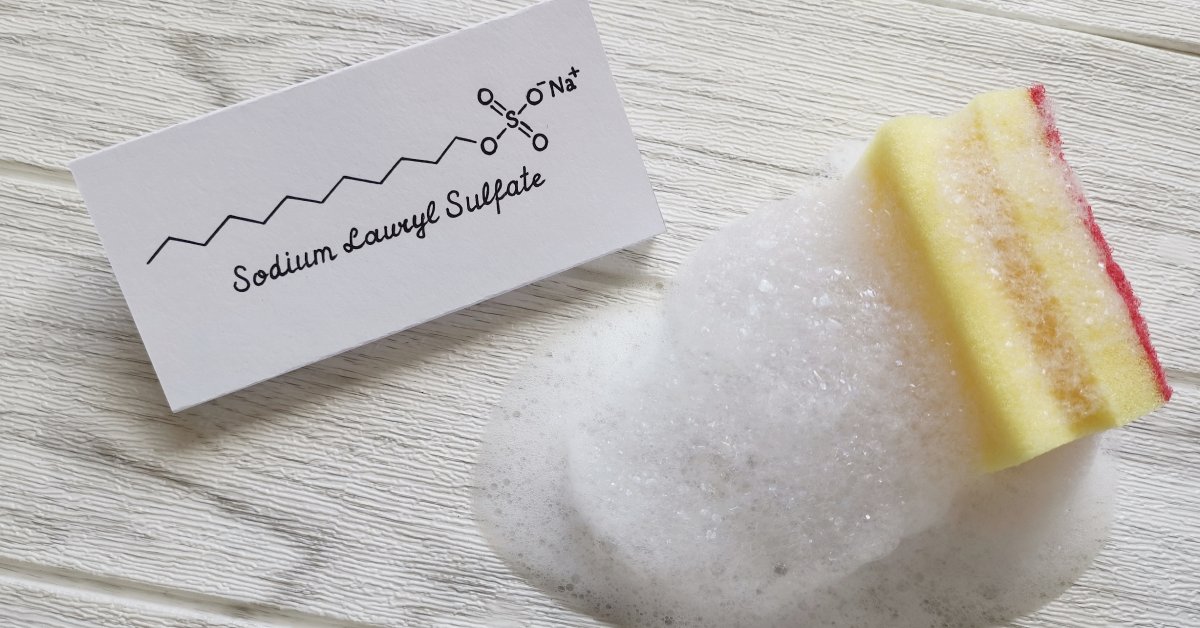
A surfactant’s chemical composition and molecular structure are primary to determining its biodegradability. Surfactants with simpler, linear molecular structures degrade faster compared to those with complex, branched chains.
Why Does Simplicity Matter?
Microorganisms find it easier and more efficient to break down linear structures because their enzymes can access the molecules more readily. For example, a linear alkyl benzene sulfonate (LAS) is highly biodegradable due to its straightforward molecular structure. Compare this to bulky or branched surfactants that may resist microbial action and breakdown and persist in the environment.
In addition to linear alkyl chains and the absence of hindered groups, the presence of functional groups is beneficial. Functional groups, such as ester bonds, improve degradability. Chemical simplicity ultimately ensures that the surfactant can integrate seamlessly into natural degradation cycles.
2. Source of Raw Materials
Biodegradability also depends on where the surfactant comes from. Is the surfactant derived from natural or synthetic materials?
Surfactants sourced from renewable, plant-based materials, such as coconut or palm oil, exhibit high biodegradability. Petroleum-based synthetic surfactants have lower biodegradability in comparison.
Natural Versus Synthetic
Plant-based liquid surfactants contain natural carbon chains that are closer in structure to organic compounds found in nature. These compounds are more familiar to the enzymes and microorganisms responsible for the degradation process, making them environmentally friendly options. Important aspects related to the source of surfactants include the following:
- Ingredients derived from coconut oil, soybean oil, or sugar are biodegradable.
- The use of green chemistry principles during production can preserve the surfactant’s eco-friendly nature.
- Surfactants from natural sources are less toxic to aquatic and terrestrial ecosystems.
3. Hydrophilic-Lipophilic Balance (HLB) Value
The Hydrophilic-Lipophilic Balance (HLB) describes the ratio of the water-attracting (hydrophilic) to oil-attracting (lipophilic) parts of a surfactant molecule. Surfactants with an optimal HLB value exhibit enhanced biodegradability.
Finding the “Goldilocks Zone”
An HLB value that is neither too hydrophilic nor too lipophilic tends to promote effective biological breakdown. If a surfactant leans heavily toward its lipophilic side, it may become less soluble in water. This means it’s harder for microorganisms to degrade.
A moderate HLB value is effective. Such values ensure that surfactants are soluble enough to interact with water and microbes. Also, enhanced solubility facilitates enzymatic activities critical for biodegradation. Manufacturers can create surfactants that are functional and environmentally responsible by carefully optimizing the HLB.
4. Biotic and Abiotic Degradability
The pathways through which a surfactant biodegrades also play a role in how eco-compatible it is. Surfactants must undergo biotic (microbial) and abiotic (physical or chemical) degradation to ensure complete breakdown in various environments.
Understanding the Dual Pathways
While microorganisms can digest much of a surfactant’s structure through enzymatic processes, abiotic factors such as exposure to sunlight, heat, and oxygen assist in initiating or completing degradation. Consider the following:
- Photodegradability: Liquid surfactants that break down when exposed to sunlight contribute to faster environmental dissipation.
- Thermal stability: While thermal stability ensures functionality, moderate breakdown at environmental temperatures aids abiotic processes.
- Oxygen demand: Surfactants with low biochemical oxygen demand (BOD) place less strain on aquatic ecosystems during microbial decomposition.
This dual degradability ensures surfactants have versatility. They will break down in diverse conditions, from wastewater to open fields.
5. Aquatic and Soil Compatibility
Since surfactants often end up in aquatic environments or soils, their interaction with these ecosystems impacts their biodegradability. A truly biodegradable surfactant must not disrupt the delicate balance of these environments.
Respecting Environmental Boundaries
Surfactants with excessive ecotoxicity are harmful to aquatic life even at low concentrations. Similarly, those that fail to degrade in soil can impair plant growth and microbial activity. What are the key features that make a surfactant biodegradable in this aspect? Consider the following factors:
- Biodegradable surfactants have minimal toxic effects on aquatic organisms, such as fish and algae.
- Breakdown products, such as water and simple carbon compounds, should integrate into natural cycles without causing harm.
- Surfactants designed for soil applications must degrade quickly to avoid accumulation.
Liquid surfactants can coexist harmoniously with natural ecosystems by adhering to these principles. For this reason, an effective solution would be an inherently biodegradable, non-hazardous liquid surfactant designed by a team of industry experts. Such a surfactant lends itself to use in high-performance cleaning formulations—even in metal cleaning applications—without being toxic to sewage organisms at moderate concentrations.
Meeting Industry Benchmarks
Standards set by organizations, such as the Organization for Economic Cooperation and Development (OECD ), ensure that a surfactant biodegrades sufficiently within a specified time limit. The limit is usually 28 days. Additionally, such surfactants must achieve a minimum biodegradation threshold, such as 60 percent for aerobic degradation.
In addition to OECD compliance, other components to keep in mind are rapid degradation timelines and clear labeling. The timelines ensure minimal accumulation of harmful residues while including green certifications on product labels to inform environmentally conscious consumers. Standards like these and transparency are vital for fostering public trust and promoting sustainable practices across industries.
Why Biodegradability Matters in Liquid Surfactants
Biodegradable liquid surfactants play a critical role in reducing environmental pollution while supporting industries that rely on efficient and effective cleaning, emulsifying, and dispersal agents. Business leaders and consumers alike can choose to use products that align with performance expectations and ecological responsibility by focusing on the features outlined above.