

Hydrogen sulfide (H₂S) is a naturally occurring compound that often goes unnoticed by the general public but poses significant challenges in various industries, including agriculture. Known for its pungent rotten egg smell, H₂S is a chemical compound that forms during organic decomposition. While it plays certain roles in natural processes, an excessive amount of this compound can have detrimental effects, particularly on soil health, water systems, and crop yields. For the agriculture sector, mitigating the impact of H₂S is essential—this is where H₂S scavengers come into the picture.
H₂S scavengers are specialized chemical solutions designed to neutralize or remove hydrogen sulfide from environments where its presence causes harm. Addressing H₂S can lead to healthier crops, improved water quality for irrigation systems, and more productive farmlands. Explore the applications of H₂S scavengers in the agriculture sector to see how they benefit modern farming.
The Silent Problem of H₂S in Agriculture
Hydrogen sulfide might sound like a niche issue, but it is far from trivial for agriculture. This compound typically generates during the breakdown of organic matter in anaerobic (low oxygen) conditions. Farm environments—ranging from waterlogged soils to manure storage facilities—create ideal conditions for the production of H₂S. The presence of this gas can disrupt soil health, damage irrigation systems, and produce undesirable effects on crops.
One of the primary concerns with H₂S in agriculture is its toxicity. Even small concentrations can compromise plant root health by interfering with nutrient absorption. Over time, this can lead to reduced growth rates, lower yields, and diminished crop quality. Additionally, the corrosive nature of H₂S poses risks to agricultural infrastructure like irrigation pipelines and water tanks. Farmers are under increasing pressure to manage H₂S to prevent its long-term impact on soil productivity and resources.
What Are H₂S Scavengers and How Do They Work?
H₂S scavengers are chemical compounds or formulations that specifically target hydrogen sulfide molecules, neutralizing them or converting them into harmless byproducts. Depending on the H₂S scavenger chemistry, the way they function can vary. Some work by reacting directly with the hydrogen sulfide to form sulfates, which are less harmful. Others bind chemically to H₂S, trapping it to ensure it cannot interact with crops, soil, or equipment.
Most agricultural-grade H₂S scavengers are safe for both the environment and the farmer. Farmers can apply them to contaminated water or soil, making these scavengers highly versatile in addressing various problems associated with H₂S presence. When used appropriately, these scavengers act quickly, efficiently neutralizing hydrogen sulfide while minimizing unintended side effects on the broader ecosystem.

Transforming Soil Productivity Through H₂S Scavengers
One of the most important applications of H₂S scavengers in agriculture is soil treatment. Excessive hydrogen sulfide buildup in soils often occurs in poorly drained or waterlogged environments, creating anaerobic conditions that limit root oxygenation and overall plant health. Using scavengers to treat these soils can drastically improve their ability to sustain plant growth. By neutralizing H₂S, scavengers restore balance to the soil microbiome, allowing beneficial organisms to thrive while eliminating compounds harmful to root systems.
Fertile, H₂S-free soil results in better nutrient availability for plants, ultimately leading to stronger root development and higher yields. Another advantage of using scavengers in soil treatment is their contribution to sustaining long-term soil health. Farmers who proactively address H₂S issues using these solutions ensure their land remains viable for future seasons, minimizing the risks associated with soil degradation.
Enhancing Irrigation Systems Using H₂S Scavengers
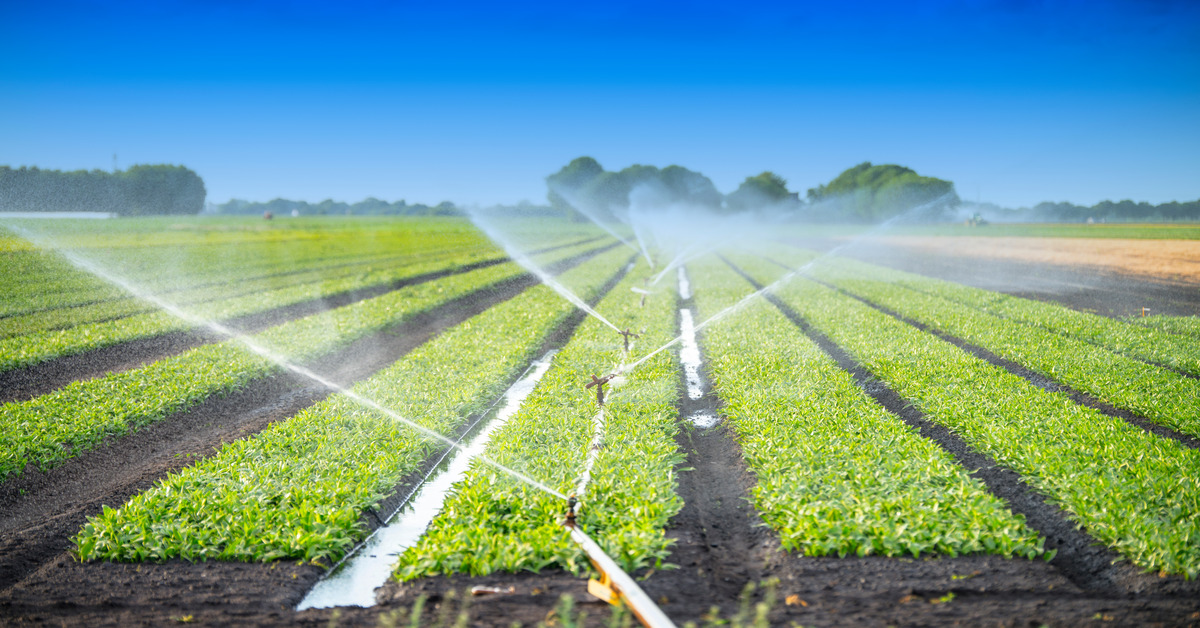
Beyond the soil, H₂S impacts irrigation infrastructure, particularly in regions reliant on water sources like wells or reservoirs where high organic content fosters anaerobic conditions. H₂S corrodes pipelines, leads to blockages, and poses a risk to overall water quality. This is particularly problematic in drip irrigation systems, which require clean and consistent water flow to deliver nutrients to plants effectively.
H₂S scavengers provide an immediate and effective solution for maintaining irrigation infrastructure by eliminating the hydrogen sulfide in water sources before it can cause damage. By treating irrigation water with scavengers, farmers preserve their equipment and make sure crops receive high-quality water without detrimental contaminants. This improvement can lead to better plant hydration and nutrient absorption, enhancing productivity across fields.
Understanding the Key Benefits of Implementing H₂S Scavengers
The benefits of H₂S scavengers in agriculture extend beyond singular problem-solving. They are a gateway to improved farming efficiency, lower maintenance costs, and higher yields. For starters, one of the most apparent advantages is the enhancement of crop health. By removing H₂S from soil and water systems, farmers encourage optimal growing conditions, resulting in healthier, more robust plants. The better the crop quality, the stronger the return on investment for growers.
Another benefit is cost savings. When left unchecked, H₂S can cause expensive damage to irrigation systems and other farm infrastructure. Addressing these issues preemptively with scavengers helps reduce long-term maintenance and repair expenses. Additionally, for eco-conscious farmers, H₂S scavengers align with sustainable agricultural practices by mitigating harmful chemical buildup without introducing additional pollutants into the environment.
Beyond tangible outcomes, adopting H₂S scavenger systems fosters innovation and adaptability among agricultural communities. Farmers who integrate advanced solutions like scavengers are more likely to remain resilient in the face of emerging challenges, like climate-driven changes that make anaerobic soil conditions increasingly common.
Exploring Innovative Trends in H₂S Scavenging for Agriculture
Advancements in H₂S scavenging have the opportunity to transform agriculture even further. The development of more eco-friendly scavengers that rely on bio-based or renewable ingredients is gaining significant traction. These new products aim to combine maximum efficiency with minimal environmental footprint, reflecting the shift toward sustainable farming solutions globally.
Automation also plays an exciting role in the future of H₂S management. Many current systems require hands-on application and consistent monitoring, but researchers and innovators are exploring ways to integrate H₂S scavengers into automated water and soil treatment systems. This could drastically reduce labor demands while providing consistent results across larger-scale operations.
Safeguarding Agriculture’s Future With H₂S Scavengers
From minimizing soil toxicity to improving irrigation systems and boosting crop yields, the applications of H₂S scavengers in the agriculture sector address some of farmers’ most pressing concerns. Simultaneously, as trends like automation and sustainability gain momentum, the role of scavengers will only grow in prominence, driving continued innovation and expanding accessibility.
For farmers eager to safeguard the future of their operations while adopting cutting-edge solutions, exploring H₂S scavengers is a step in the right direction. Consider tailoring these solutions to fit your farm’s unique needs and stay ahead of the challenges posed by hydrogen sulfide.