

Hydrogen sulfide (H₂S) is a chemical compound that many people might not recognize by name, but they would certainly recognize it by its distinctive rotten egg smell. It’s a substance that has significant implications for both human health and the environment. Whether you’re a concerned citizen, a business owner, or an environmental enthusiast, gaining insights into H₂S emission standards is crucial for staying informed and proactive. Continue reading for a comprehensive understanding of H₂S emission standards and regulations.
Introduction to H₂S (Hydrogen Sulfide) Emissions
Hydrogen sulfide (H₂S) is a colorless gas known for its pungent odor, which naturally occurs during the decomposition of organic matter, such as plant and animal material. It’s found in environments like swamps, sewers, and manure pits. Various industrial activities also produce H₂S, particularly those involving the processing of fossil fuels and organic materials, such as petroleum refining, natural gas processing, and pulp and paper manufacturing.
At any concentration at the industrial level, hydrogen sulfide is dangerous. Exposure can lead to severe health issues. These include respiratory problems, irritation of the eyes, nose, and throat, headaches, dizziness, and nausea. In extreme cases, particularly when encountered in poorly ventilated areas, high levels of exposure can cause loss of consciousness or even death.
Environmental Impact of H₂S
The environmental impact of H₂S is equally concerning. When released into the atmosphere, it contributes to the formation of acid rain, which can harm ecosystems by altering soil chemistry and damaging plant life. Additionally, H₂S can contaminate water sources, posing risks to aquatic life and potentially impacting human water supplies. This underscores the importance of monitoring and controlling emissions of hydrogen sulfide to protect both human health and the environment.
Given its potential dangers, understanding and controlling H₂S emissions is vital. This involves identifying the primary sources of these emissions and implementing stringent regulations to mitigate their release into the atmosphere. By doing so, we can ensure a safer environment for both humans and wildlife.

Industries That Use H₂S
Several industries are notable for their use of hydrogen sulfide, each contributing to overall emission levels. The oil and gas industry is a significant player, as H₂S is a byproduct of crude oil and natural gas extraction processes. Refineries and petrochemical plants also produce H₂S during the processing of these raw materials.
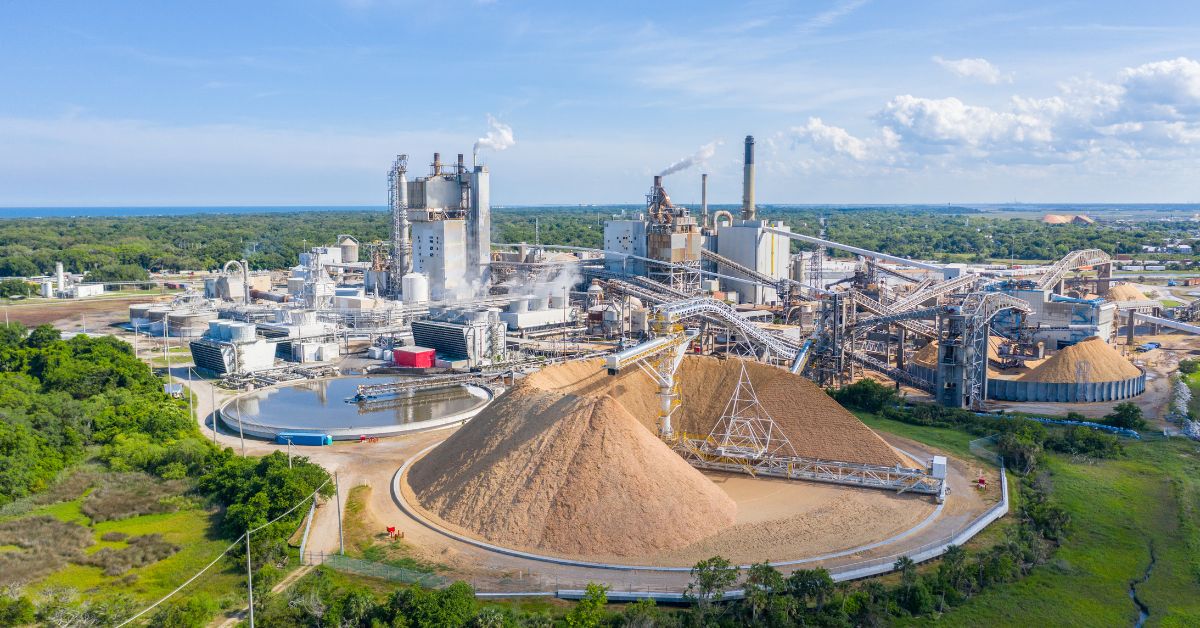
The wastewater treatment sector is another major source of H₂S emissions. When organic waste breaks down in the absence of oxygen, it produces hydrogen sulfide. This situation is common in sewage systems and treatment facilities. Additionally, industries involved in the production of pulp and paper, as well as those that manufacture certain chemicals, often generate H₂S as part of their operations.
Recognizing these common sources is the first step in addressing the issue of H₂S emissions. By targeting these industries with specific regulations and monitoring techniques, we can significantly reduce the release of this harmful gas.
The Importance of Emission Standards
Regulating H₂S emissions is essential for several reasons. First, it protects public health. Prolonged exposure to high levels of H₂S can lead to serious health complications, particularly for workers in industries where the gas is prevalent. By establishing and enforcing emission standards, we can minimize these health risks and ensure a safer working environment.
From an environmental perspective, controlling H₂S emissions helps prevent acid rain, which can damage forests, soils, and aquatic ecosystems. It also reduces the risk of water contamination, protecting both wildlife and human populations that rely on these water sources.
Globally, various standards and regulations exist to manage H₂S emissions. These standards vary by region, reflecting local environmental conditions and industrial activities. However, the overarching goal remains the same—to limit the release of hydrogen sulfide and mitigate its impact on health and the environment.
Major H₂S Emission Regulations in the US
In the United States, several regulations govern the emission of hydrogen sulfide. The Environmental Protection Agency (EPA) plays a pivotal role in setting and enforcing these standards. One of the key regulations is the Clean Air Act, which includes provisions specifically addressing H₂S emissions from industrial sources.
The National Ambient Air Quality Standards (NAAQS) established by the EPA set limits on the concentration of H₂S in the ambient air. These standards protect public health and the environment by ensuring that H₂S levels remain within safe limits. Additionally, the Occupational Safety and Health Administration (OSHA) has established exposure limits for H₂S in the workplace to safeguard the health of workers.
State-level regulations further complement federal standards, with some states implementing stricter controls based on local conditions and industrial activities. These regulations require industries to monitor their H₂S emissions and take corrective actions if they exceed the permissible limits.
Compliance and Monitoring Techniques
Compliance with H₂S emission standards requires robust monitoring techniques and best practices. Industries need to implement continuous monitoring systems to detect and measure H₂S levels in real-time. These systems use sensors placed at strategic locations within the facility to provide accurate and timely data on emission levels.
In addition to continuous monitoring, periodic inspections and audits are essential to verify compliance. Regulatory agencies may conduct these inspections to ensure that industries adhere to the set standards and take necessary corrective actions when violations occur.
Best practices for managing H₂S emissions include implementing proper ventilation systems and conducting regular maintenance of equipment to prevent leaks. H₂S removal from biogas is a serious undertaking. Using scrubbers, adsorbents, and other control technologies are effective ways to capture and H₂S from biogas and natural gas. Training employees on safe handling and response procedures is also critical to minimize health risks.
By adopting these monitoring techniques and best practices, industries can effectively manage their H₂S emissions and comply with regulatory requirements.
Ensuring a Safer and Healthier Environment
Hydrogen sulfide emissions pose significant health and environmental risks, making it imperative to regulate and control their release. A thorough understanding of H₂S emission standards and regulations is crucial for industries and the general public alike.
Compliance with these regulations requires continuous monitoring, periodic inspections, and the adoption of best practices. By doing so, we can mitigate the impact of H₂S emissions and ensure a safer and healthier environment for all.
Stay informed about H₂S emission standards and regulations and take proactive steps to manage emissions effectively. Together, we can make a difference in protecting our health and the environment.