
In industries where hazardous chemicals are part of daily operations, safety is vital. The proper use and handling of industrial chemicals can mean the difference between a safe work environment and a potential disaster. Continue reading to learn about some important safety precautions to take when using industrial chemicals, ensuring that you and your colleagues stay protected.
Personal Protective Equipment
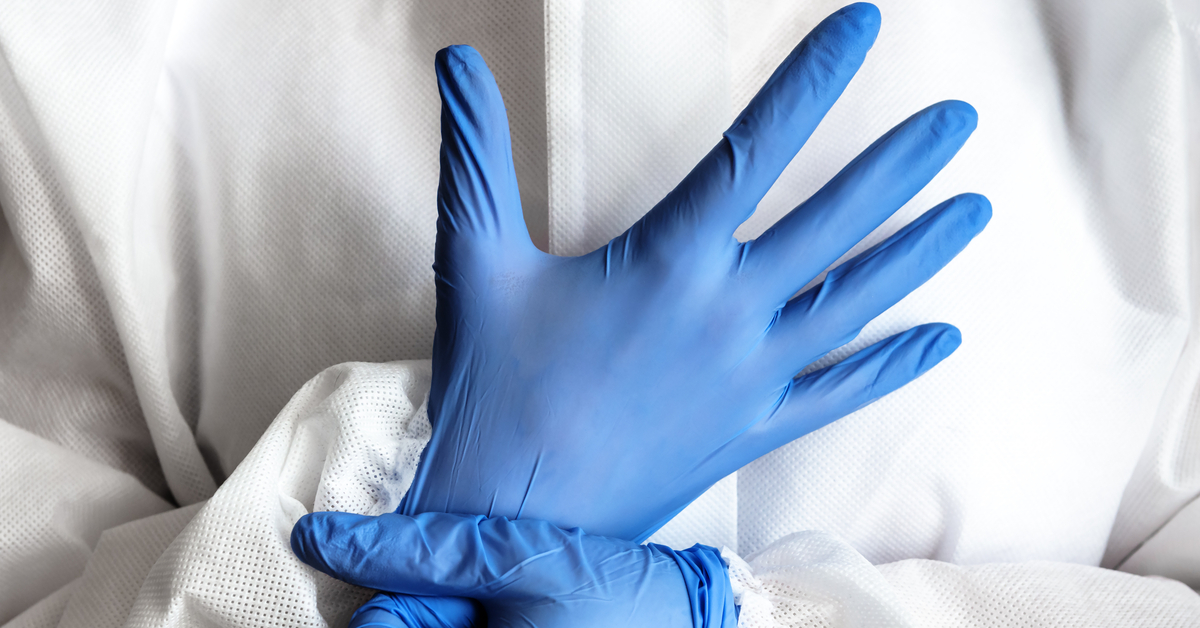
The first line of defense against chemical hazards is appropriate personal protective equipment (PPE). PPE includes items such as gloves, goggles, face shields, face masks, and specialized clothing designed to protect the skin and eyes from exposure. Each piece of equipment serves a specific purpose. For example, gloves protect the hands from corrosive substances, while goggles shield the eyes from splashes or vapors and masks prevent the inhalation of dust and other particles. Wearing the correct PPE not only reduces the risk of immediate injury but also protects against long-term health issues that can arise from repeated exposure.
Safe Handling and Storage
Proper handling and storage of chemicals are vital to minimizing risks associated with their use. It is essential to follow labeling instructions meticulously, using the correct containers designed to withstand each specific chemical’s properties. Always read and understand the material safety data sheets (MSDS) for each substance, which provide crucial information on handling, storage, and disposal. Additionally, ensure that you store chemicals in well-ventilated areas away from incompatible substances. Investing time into training employees on these procedures can significantly reduce the likelihood of accidents.
Emergency Preparedness
Despite taking all precautions, accidents can still occur, making emergency preparedness a critical aspect of chemical safety. Developing a comprehensive emergency plan involves outlining the steps to take in various scenarios, such as spills, leaks, or exposure incidents. Train employees on how to use emergency equipment like eye wash stations, showers, and fire extinguishers. Also, familiarize everyone with evacuation routes and assembly points. Regular drills can help ensure that in the event of an actual emergency, the response is swift and effective, minimizing harm and facilitating a quicker return to normal operations.
Regular Equipment Maintenance
Maintaining the equipment used in the handling and storage of industrial chemicals is another crucial safety measure. Regular inspections and maintenance allow you to identify wear and tear or potential failures that could lead to hazardous incidents. Ensure that all seals, valves, and containers are in good condition and replace any faulty parts immediately. Scheduled maintenance checks should be a routine part of operations, along with keeping clear records of all inspections and repairs. This proactive approach helps you prevent accidents and ensures the ongoing safety of the work environment.
By keeping in mind these safety precautions to take when using industrial chemicals, you can protect the well-being of everyone in the workplace. It’s important to always prioritize safety and make it an integral part of your daily operations so you can properly handle H₂S scavengers and other chemical products. Start implementing these strategies today to safeguard your team and your business.