
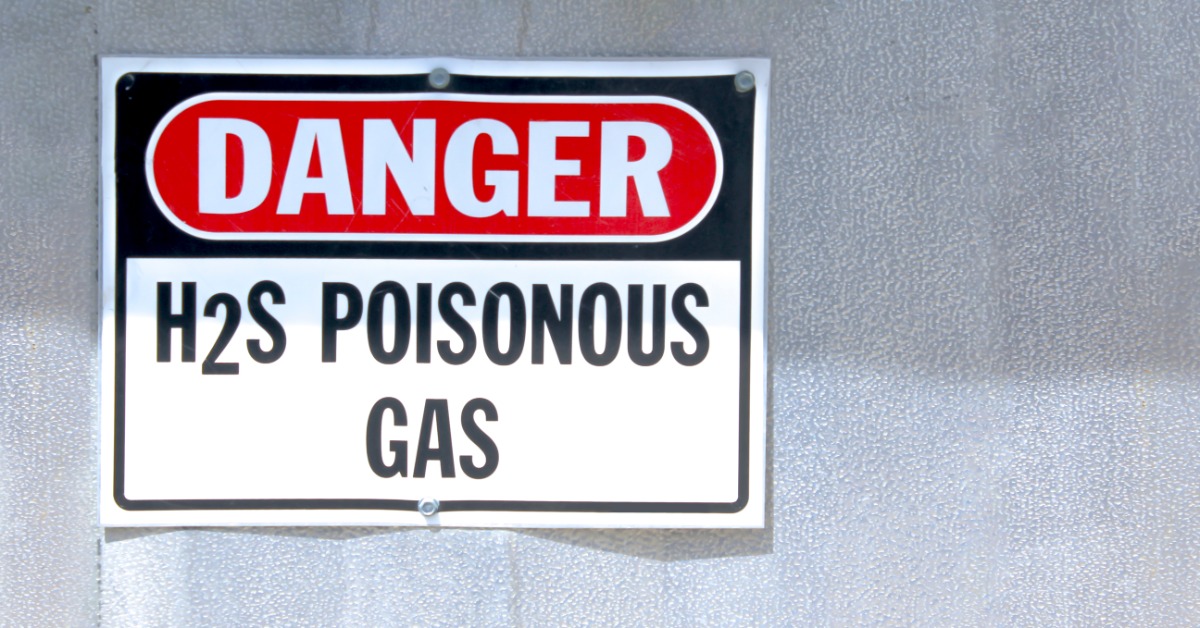
Hydrogen sulfide exposure is a persistent safety concern in industrial environments that handle sour gas, crude oil, or sulfur-bearing process streams. Even at low concentrations, the gas can escalate from an odor nuisance to a serious health hazard within moments.
This is why conducting risk assessments for H₂S exposure in the workplace remains a foundational practice for organizations seeking to protect personnel while maintaining operational continuity.
Beyond regulatory expectations, risk assessments create clarity. They help teams identify where hydrogen sulfide may be released, how exposure could occur, and what controls are most effective. When approached systematically, assessments reduce uncertainty and give safety decisions a defensible, practical basis.
Where H₂S Risks Commonly Originate
Hydrogen sulfide, written as H₂S, is produced naturally during the decomposition of organic material and is frequently encountered in oil and gas production, refining, wastewater treatment, and renewable gas operations. Exposure risk rarely stems from a single source. Instead, it develops from interconnected equipment, processes, and work practices.
Separators, storage tanks, pipelines, and amine systems are common locations where workers may be exposed to H₂S. Maintenance activities can increase that risk by disturbing streams that equipment normally contains. When workers release pressure or open equipment, hydrogen sulfide can escape quickly.
Understanding how these conditions change during maintenance helps teams evaluate exposure risks beyond normal operating conditions.
Identifying How Exposure Can Occur
Once potential sources are identified, the assessment must examine how workers could be exposed. Inhalation is the primary concern, but the conditions surrounding exposure vary widely. Confined spaces, enclosed process units, and low-lying areas can trap hydrogen sulfide.
Routine tasks such as sampling or inspections may involve low-level exposure, while nonroutine work such as turnarounds or emergency repairs can introduce elevated risk. When exposure pathways are overlooked, control strategies may fail to align with real operating conditions.
Commonly overlooked exposure scenarios include:
- Temporary process upsets during startup or shutdown
- Maintenance work that bypasses normal containment
- Weather-related ventilation changes
Recognizing these exposure scenarios provides the foundation for evaluating the severity of potential consequences and the likelihood of their occurrence.
Evaluating Severity and Likelihood Together
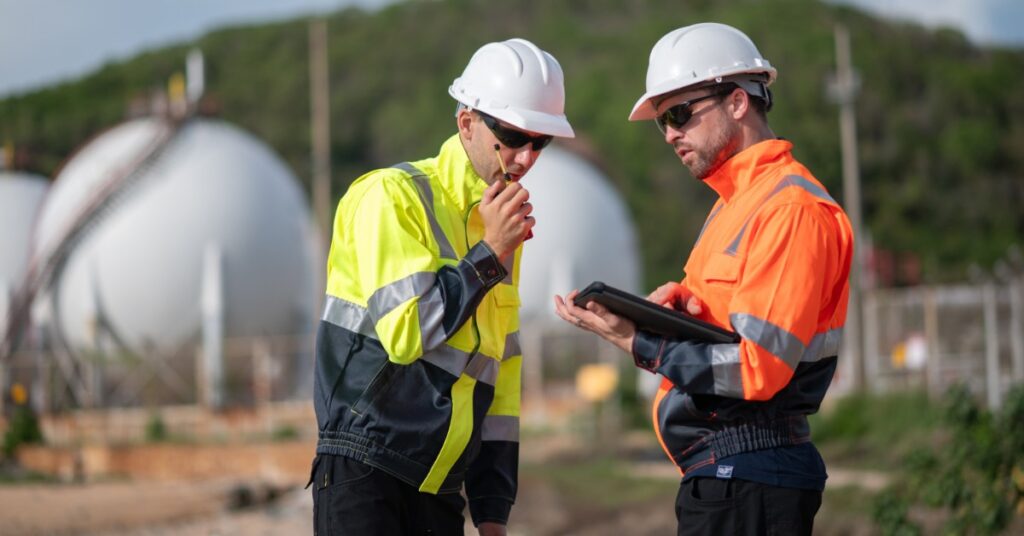
Effective H₂S risk assessment considers both severity and likelihood simultaneously. High-consequence events do not need to be frequent to demand attention. Severity increases as concentration rises and response time shortens.
Likelihood is influenced by equipment integrity, operating discipline, and environmental factors such as airflow. Evaluating these elements together allows teams to prioritize controls with the greatest impact rather than distributing effort evenly across all hazards.
Establishing Control Priorities
After evaluating severity and likelihood, organizations should identify which hazards require immediate controls. This step turns the assessment into a clear safety plan. Higher-risk scenarios call for preventive measures that limit exposure before work begins, while lower-risk situations may still require procedures, monitoring, and protective equipment.
Exposure duration, task frequency, operating conditions, and the potential for an unexpected release can shape control decisions. Because H₂S can cause severe injury or death, organizations should favor prevention over dependence on alarms or emergency response.
Clear priorities can help teams direct resources toward the hazards that present the greatest danger. They also support the deliberate use of engineering controls, work practices, monitoring, and personal protective equipment to reduce potential exposure.
Reducing Risk Through Engineering Controls
Engineering controls remain the most reliable way to limit hydrogen sulfide exposure. When systems are designed to treat or contain H₂S before it reaches occupied areas, downstream risk is significantly reduced.
Upstream treatment strategies directly influence workplace safety. Lower hydrogen sulfide concentrations result in fewer alarms, reduced reliance on emergency procedures, and improved response margins. The use of gas sweetening adsorbents can play an important role.
Removing hydrogen sulfide earlier in the process can help reduce the potential for H₂S exposure during downstream operations. Sulfur removal adsorbents can support this approach as part of a broader workplace safety strategy.
Administrative Controls That Reinforce Safe Practices
Engineering solutions are most effective when supported by strong administrative controls. Procedures, training programs, and permit systems translate technical safeguards into consistent action.
Clear written procedures establish expectations for monitoring, alarm response, and work stoppage criteria. Training connects those expectations to real consequences, reinforcing why compliance matters. Over time, these measures influence behavior, which directly affects exposure outcomes.
Monitoring and Detection as a Continuous Feedback Loop
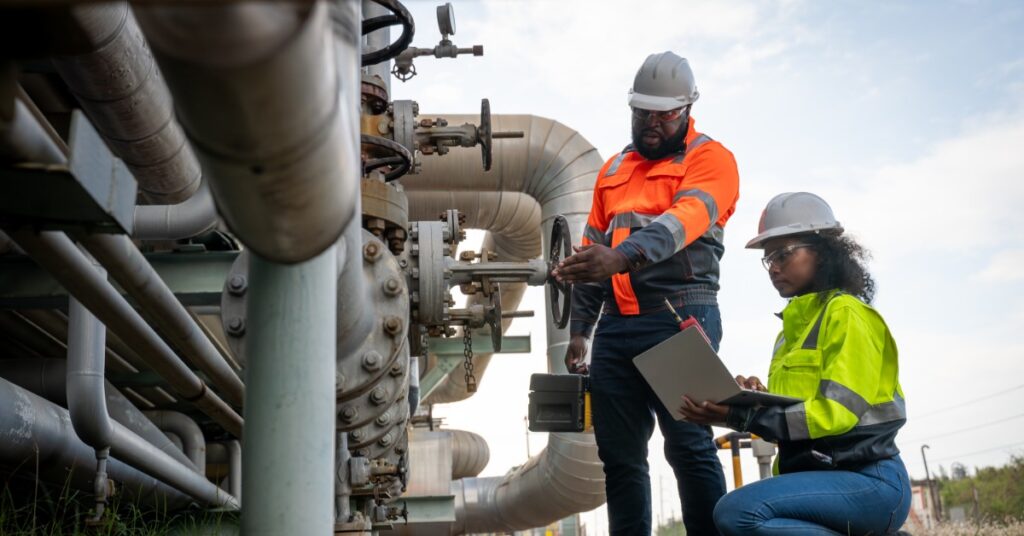
Gas detection systems serve as both a protective measure and a validation tool. Fixed monitors and portable detectors provide real-time insight into conditions that may change unexpectedly.
Frequent or unexplained alarms often indicate that assumptions made during the initial H₂S risk assessment no longer reflect reality. Incorporating monitoring data into periodic reviews helps organizations adjust controls before minor issues escalate into serious exposure events.
The Role and Limits of Personal Protective Equipment
Personal protective equipment is a critical safeguard, but it’s most effective when used as part of a layered approach. Supplied-air respirators, escape devices, and properly fitted masks protect workers when engineering and administrative controls cannot fully eliminate risk.
Risk assessments clarify where PPE is mandatory and where it is used as contingency. Overreliance on PPE alone can increase vulnerability if upstream hazards remain unmanaged. Aligning PPE use with identified risks ensures it supports, rather than replaces, other controls.
Keeping Risk Assessments Relevant Over Time
Industrial operations are constantly evolving. Equipment gradually ages, production rates fluctuate, and new processes are regularly implemented. Each of these changes can affect exposure to hazards such as hydrogen sulfide. Routine reviews help establish a clear connection between operational adjustments and associated risks by analyzing how modifications impact safety factors.
Findings from maintenance activities, near misses, and procedural deviations should all be carefully considered and integrated into updates. This continual review process ensures that risk assessments remain accurate and reflect current conditions rather than relying on outdated assumptions.
A Proactive Approach to H₂S Safety
At its core, Conducting Risk Assessments for H₂S Exposure in a Workplace is about anticipation. It encourages organizations to identify vulnerabilities early and address them systematically. When assessments are integrated with treatment strategies, training, and monitoring, they move beyond compliance and become a preventive tool.
For Merichem Technologies, this approach reflects a broader commitment to helping industrial operations manage hydrogen sulfide safely and effectively. Reducing H₂S at the source, reinforcing awareness, and validating controls through monitoring work together to support safer, more resilient facilities.